Blog

  • Top 10 discounts for homeowners insurance

    Top 10 discounts for homeowners insurance

    In today’s housing market, homeowners insurance is a vital investment. It provides a safety net that protects your home and belongings from unexpected events such as fire, theft, or natural disasters. However, that doesn’t mean you have to pay an arm and a leg for coverage. By taking advantage of homeowners insurance discounts, you can save money while still having comprehensive protection. In this article, we will explore the top 10 discounts for homeowners insurance and provide you with tips on how to maximize your savings.

    Understanding Homeowners Insurance Discounts

    Before we delve into the types of discounts available, it’s important to understand the basics of homeowners insurance discounts. Insurance companies offer these incentives as a way to reward responsible homeowners and mitigate risks. By implementing safety measures, maintaining a positive insurance history, or bundling multiple policies, you demonstrate a lower likelihood of filing a claim. This reduced risk factor translates into discounted insurance rates. Let’s explore the importance of homeowners insurance discounts and the benefits they bring.

    Section Image

    Homeowners insurance discounts play a crucial role in not only saving you money but also encouraging proactive risk management. These discounts serve as a win-win scenario for both homeowners and insurance companies. For homeowners, the potential savings can make a significant difference in their annual expenses, providing financial relief and peace of mind. On the other hand, insurance companies benefit from having a lower number of claims to process, leading to cost savings that can be passed on to customers in the form of discounts.

    The Basics of Homeowners Insurance Discounts

    Homeowners insurance discounts come in many forms, enabling you to tailor your coverage to your specific needs. These discounts are usually applied to your annual premium and can result in significant savings over time. Some common discounts include:

    • Multi-policy discounts for bundling your homeowners, auto, and other insurance policies with the same company.
    • Safety and security discounts for installing alarm systems, smoke detectors, or deadbolt locks.
    • Loyalty discounts for staying with the same insurance company for an extended period.

    Understanding these basics will empower you to navigate the world of homeowners insurance discounts effectively.

    Moreover, homeowners insurance discounts can also vary based on the location of your property. For example, if you live in an area prone to natural disasters such as hurricanes or earthquakes, insurance companies may offer specific discounts for fortifying your home against these risks. Additionally, certain renovations or upgrades to your property, such as installing impact-resistant roofing or upgrading electrical systems, can make you eligible for additional discounts.

    Types of Homeowners Insurance Discounts

    Bundling Discounts

    One of the most common ways to qualify for homeowners insurance discounts is by bundling your policies. By combining your home, auto, and even umbrella policies with the same insurance company, you can enjoy substantial savings. Insurance companies often provide discounts on multiple policies as a way to retain your business. Bundling not only simplifies your insurance management but also provides you with a chance to unlock significant savings.

    Moreover, bundling your policies can also lead to improved customer service and convenience. Having all your insurance needs under one roof can make it easier to manage your policies, file claims, and communicate with your insurance provider. This streamlined approach can save you time and hassle, allowing you to have peace of mind knowing that your assets are well-protected.

    Safety and Security Discounts

    Your home’s safety and security features can play a significant role in determining your insurance premium. Insurance companies offer discounts to homeowners who take proactive steps to protect their property. Installing alarm systems, smoke detectors, security cameras, or deadbolt locks can reduce the risk of theft, vandalism, or fire. By demonstrating a commitment to safety, you can enjoy lower insurance rates and peace of mind.

    Furthermore, investing in safety and security measures not only benefits you in terms of insurance discounts but also enhances the overall protection of your home and loved ones. These precautions can act as a deterrent to potential intruders or hazards, creating a secure environment for your family. By prioritizing safety, you not only save on insurance costs but also create a safe haven for those who matter most to you.

    Loyalty Discounts

    Staying loyal to your insurance company can pay off in the form of loyalty discounts. As time goes on, insurance companies appreciate customers who maintain their policies without interruption. By renewing your homeowners insurance policy with the same company year after year, you demonstrate loyalty and establish a solid insurance history. This can lead to reduced premiums and additional savings.

    Additionally, building a long-term relationship with your insurance provider can result in personalized service and tailored coverage options. Insurance companies value loyal customers and may offer exclusive benefits such as customized policies to meet your evolving needs. By staying loyal, you not only save money but also gain access to specialized services that cater to your unique circumstances.

    How to Qualify for Homeowners Insurance Discounts

    Meeting Insurance Company Criteria

    To qualify for homeowners insurance discounts, it’s essential to meet specific criteria set by insurance companies. These criteria vary from company to company, but common factors include:

    Section Image

    1. Homes located in low-risk areas
    2. Homes with certain safety features such as alarm systems, smoke detectors, or sprinkler systems
    3. Homes with updated electrical, heating, and plumbing systems
    4. Homes with no history of claims or losses

    By ensuring that your home meets these criteria, you increase your chances of qualifying for homeowners insurance discounts.

    Moreover, insurance companies often offer discounts to homeowners who have taken proactive steps to mitigate risks. This can include measures such as reinforcing the roof with impact-resistant materials, installing storm shutters, or even upgrading to a smart home system that can detect and prevent potential hazards. By demonstrating a commitment to safeguarding your property, you not only enhance your home’s protection but also signal to insurers that you are a responsible and proactive homeowner.

    Improving Home Safety and Security

    Investing in your home’s safety and security can not only protect your loved ones and belongings but also lead to insurance discounts. Consider upgrading your home’s security features, such as installing alarm systems, security cameras, motion sensors, or deadbolt locks. Additionally, implementing fire safety measures such as smoke detectors, fire extinguishers, and sprinkler systems can further improve your home’s safety profile. By investing in these upgrades, you can potentially lower your insurance premium and enjoy a safer living environment.

    Furthermore, enhancing your home’s curb appeal and structural integrity can also play a role in qualifying for insurance discounts. Simple yet effective measures like trimming overhanging branches, maintaining a well-kept lawn, and repairing any structural damage not only improve the aesthetics of your property but also reduce potential risks. Insurance companies often view well-maintained homes as lower risk, which can translate into cost savings for homeowners. By taking pride in the upkeep of your property, you not only create a welcoming environment but also potentially qualify for valuable insurance discounts.

    Maximizing Your Homeowners Insurance Discounts

    Tips for Getting the Best Discounts

    While qualifying for homeowners insurance discounts is great, it’s even better to maximize those savings. Here are some tips to help you get the best discounts:

    • Compare quotes from multiple insurance companies to ensure you’re getting the best deal.
    • Consider increasing your deductible, as a higher deductible often leads to lower premiums.
    • Review and update your policy regularly to ensure it aligns with your current needs and circumstances.

    By implementing these tips, you can make the most of your homeowners insurance discounts and save even more money.

    Common Mistakes to Avoid

    When it comes to homeowners insurance, there are also some common mistakes that you should avoid. These mistakes can potentially cost you money or prevent you from qualifying for desired discounts. Some common mistakes include:

    • Underinsuring your home, which can leave you vulnerable in case of a catastrophic event.
    • Not updating your policy after home improvements or renovations that increase the value of your property.
    • Not taking advantage of all available discounts or failing to inquire about new discounts over time.

    By being mindful of these mistakes, you can ensure that you are not leaving any potential savings on the table.

    Reviewing Your Homeowners Insurance Discounts

    Regularly Review Your Policy

    Insurance needs can change over time, so it’s crucial to review your policy periodically. Life events such as moving, renovating, or purchasing valuable items require adjusting your coverage. Additionally, insurance companies may introduce new discounts or adjust existing ones. Regularly reviewing your policy allows you to take advantage of any changes that can potentially save you money.

    Section Image

    When to Ask for More Discounts

    Insurance companies may not always automatically apply every eligible discount to your policy. It’s important to be proactive and ask for any additional discounts you may qualify for. For example, if you’ve installed new security features or made home improvements, notify your insurance company to unlock potential savings. By initiating these conversations, you demonstrate your commitment to risk reduction and can benefit from reduced premiums.

    By understanding the top 10 discounts for homeowners insurance and how to qualify for them, you can make informed decisions about your coverage. Remember to regularly review your policy, ask for additional discounts, and take steps to improve your home’s safety and security. By doing so, you can enjoy comprehensive homeowners insurance protection at discounted rates, providing you with peace of mind and substantial savings.


  • Questions and answers about Disability Insurance

    Questions and answers about Disability Insurance

    Disability insurance is an essential form of coverage that provides financial protection to individuals in the event that they become disabled and are unable to work. In this article, we will address some common questions and provide informative answers to help you better understand disability insurance.

    Understanding Disability Insurance

    Definition and Importance of Disability Insurance

    Disability insurance, also known as income protection insurance, is designed to replace a portion of your income if you are unable to work due to a disabling injury or illness. It ensures that you can continue to meet your financial obligations and maintain your standard of living.

    Section Image

    The importance of disability insurance cannot be overstated. According to the Social Security Administration, one in four individuals who are currently in their 20s will become disabled before reaching retirement age. Without disability insurance, individuals may struggle to make ends meet and may be forced to rely on social assistance programs.

    Imagine the impact of a sudden disability on your life. You may have a family to support, bills to pay, and dreams to pursue. Disability insurance provides a safety net, giving you peace of mind knowing that you can protect yourself and your loved ones from financial hardship in the face of unexpected circumstances.

    Types of Disability Insurance

    There are two primary types of disability insurance – short-term disability insurance (STD) and long-term disability insurance (LTD).

    Short-term disability insurance typically provides coverage for a shorter period, often ranging from a few months to a year. It is often offered as part of an employee benefits package and is designed to provide temporary financial support during a period of disability.

    Long-term disability insurance, on the other hand, offers coverage for a longer duration. It provides benefits for an extended period, potentially until retirement age, depending on the policy terms. LTD policies typically offer more comprehensive coverage and are important for individuals who want to safeguard their financial well-being in the event of a serious and long-lasting disability.

    When considering disability insurance, it’s essential to evaluate your needs and circumstances. Short-term disability insurance may be suitable if you have a solid emergency fund and can manage a temporary loss of income. However, long-term disability insurance is crucial for those who want to protect their financial stability in the face of a severe and prolonged disability.

    How Disability Insurance Works

    Disability insurance works by providing a regular income stream to individuals who are unable to work due to a disability. The policyholder pays monthly premiums, and in return, the insurance company provides benefits in the event of a covered disability.

    When an individual becomes disabled and is unable to work, they need to file a disability claim with their insurance company. The insurance company will then review the claim and assess whether the disability meets the criteria outlined in the policy. If approved, the insured individual will start receiving disability benefits.

    It’s important to note that disability insurance policies have certain waiting periods before benefits begin. This waiting period is often referred to as the elimination period and can range from 30 to 180 days. It acts as a buffer to ensure that disability benefits are provided for longer-term disabilities and not for short-term illnesses or injuries.

    During the elimination period, individuals may need to rely on other sources of income or savings to cover their expenses. That’s why it’s crucial to plan ahead and have an emergency fund in place to bridge the gap between the onset of disability and the start of disability benefits.

    Additionally, disability insurance policies may have specific definitions of disability that determine eligibility for benefits. Some policies may require individuals to be unable to perform their own occupation, while others may consider the ability to perform any gainful occupation. Understanding these definitions is essential when selecting a disability insurance policy that aligns with your needs and occupation.

    Common Questions about Disability Insurance

    Who Needs Disability Insurance?

    Disability insurance is important for anyone who relies on their income to meet their financial obligations. Whether you are a young professional just starting your career or an established individual with financial responsibilities, disability insurance can provide invaluable protection.

    Section Image

    Medical professionals, lawyers, engineers, and individuals in physically demanding occupations may have a higher risk of disability due to the nature of their work. However, disabilities can happen to anyone, regardless of their profession. That’s why it is crucial for everyone to consider disability insurance.

    Imagine this scenario: You’re a young professional who has recently graduated from college and landed your dream job. You’re excited about the future and the opportunities that lie ahead. However, life is unpredictable, and accidents or illnesses can happen when you least expect them. Without disability insurance, a sudden disability could leave you struggling to make ends meet and jeopardize your financial stability.

    By having disability insurance, you can have peace of mind knowing that if the unexpected occurs, you will have a safety net to rely on. It’s a proactive step towards protecting your financial well-being and ensuring that you can continue to meet your financial obligations, such as mortgage payments, utility bills, and other living expenses.

    How Much Does Disability Insurance Cost?

    The cost of disability insurance varies depending on several factors, including your age, health, occupation, and the level of coverage you seek. Generally, younger individuals with good health can secure disability insurance at more affordable rates compared to older individuals or those with pre-existing medical conditions.

    Additionally, the cost of disability insurance is influenced by the waiting period, benefit duration, and the coverage amount. Policies with shorter waiting periods and longer benefit durations tend to be more expensive. To get accurate pricing information, it is advisable to obtain quotes from multiple insurance providers.

    Let’s take a closer look at the factors that can affect the cost of disability insurance. Age plays a significant role in determining the premiums you will pay. Younger individuals are generally considered to be at a lower risk of disability, which translates into lower premiums. On the other hand, older individuals may face higher premiums due to the increased likelihood of experiencing health issues.

    Occupation is another crucial factor. Jobs that involve physical labor or have higher risks of injury may result in higher premiums. For example, a construction worker may pay more for disability insurance compared to an office worker in a low-risk profession.

    It’s important to note that while disability insurance may seem like an additional expense, it is an investment in your financial security. By paying regular premiums, you are safeguarding your income and protecting yourself from the potentially devastating financial consequences of a disability.

    How to Apply for Disability Insurance?

    Applying for disability insurance is relatively straightforward. You can start by researching different insurance providers and comparing their policies. Once you have selected a suitable policy, you will need to complete an application form and provide relevant information about your health and occupation.

    The insurance company may require medical underwriting, which often involves completing a medical questionnaire and potentially undergoing a medical examination. The insurance provider will evaluate your application and assess the risk of insuring you. Based on their evaluation, they will determine the premiums and coverage terms.

    During the application process, it’s essential to be thorough and accurate in providing information. The insurance company relies on this information to assess your eligibility and determine the appropriate premiums. Failure to disclose any pre-existing medical conditions or providing misleading information could result in the denial of your claim in the future.

    Once your application is approved, you will receive your disability insurance policy, outlining the coverage details, waiting period, benefit duration, and any exclusions or limitations. It’s crucial to review the policy carefully and ask any questions you may have before signing it.

    Remember, disability insurance is not a one-size-fits-all solution. It’s important to consider your unique circumstances, such as your occupation, financial responsibilities, and personal health, when selecting a policy. By doing so, you can ensure that you have the right coverage to protect your income and financial well-being in the event of a disability.

    Disability Insurance Benefits

    Coverage and Exclusions

    Disability insurance coverage can vary depending on the policy you choose. It’s essential to carefully review the terms and conditions of your policy to understand what is covered and what is excluded.

    Section Image

    Typically, disability insurance covers disabilities caused by accidents, illnesses, or injuries that prevent you from performing the duties of your occupation. However, policies may have exclusions for certain pre-existing conditions, self-inflicted injuries, or disabilities resulting from illegal activities.

    Calculating Disability Insurance Benefits

    The calculation of disability insurance benefits is usually based on a percentage of your pre-disability income. The specific percentage varies depending on the policy, but it typically ranges from 50% to 70% of your pre-disability earnings.

    It’s important to note that disability insurance benefits are generally subject to a maximum monthly limit. This limit is in place to ensure that individuals do not receive more income while disabled than they would have earned if they were working.

    Duration of Disability Insurance Benefits

    The duration of disability insurance benefits depends on the policy terms. Short-term disability insurance benefits typically last for a few months, while long-term disability insurance benefits can last for several years or until retirement age. Understanding the benefit duration is crucial when selecting a disability insurance policy that aligns with your needs and financial goals.

    Disability Insurance Policies

    Individual vs. Group Policies

    Disability insurance policies can be obtained either through individual plans or group plans. Individual disability insurance policies are personally owned and not tied to any specific employer. They provide more flexibility and are portable, meaning you can maintain coverage even if you change jobs.

    Group disability insurance policies are typically offered by employers as part of their employee benefits package. Group policies often have lower premiums and can provide essential coverage for employees who may not be eligible for individual policies due to pre-existing medical conditions. However, group policies may have more restrictions and limitations compared to individual policies.

    Short-Term vs. Long-Term Policies

    Short-term disability insurance policies offer coverage for a limited period, usually up to a year. They are suitable for individuals who want temporary financial protection during recovery from an injury or illness.

    Long-term disability insurance policies provide coverage for an extended period, potentially until retirement age. They offer more comprehensive protection and are designed for individuals who want to secure their financial well-being in the event of a long-lasting disability.

    Understanding Policy Terms and Conditions

    When considering disability insurance, it is crucial to review and understand the terms and conditions of the policy. Pay close attention to the definitions of disability, waiting periods, benefit durations, and any exclusions. Understanding these details will help you make an informed decision and ensure that the policy meets your specific needs.

    In conclusion, disability insurance is a valuable form of coverage that provides financial protection in the event of a disability. By understanding the definition, types, and workings of disability insurance, as well as common questions and the benefits and policies available, individuals can make informed decisions to secure their financial well-being. Remember to consult with an insurance professional before making any decisions to ensure your unique needs are met.

  • Top 10 discounts for auto insurance

    Top 10 discounts for auto insurance

    Auto insurance discounts can help you save a significant amount of money on your premiums. Understanding how these discounts work and knowing the different types available can help you maximize your savings. In this article, we will explore the top 10 discounts for auto insurance, providing you with valuable information to make the most out of your coverage.

    Understanding Auto Insurance Discounts

    The Basics of Auto Insurance Discounts

    Auto insurance discounts are incentives provided by insurance companies to reward policyholders for certain behaviors, circumstances, or characteristics that are considered less risky. By offering these discounts, insurers encourage responsible driving habits and reduce the likelihood of accidents and claims.

    Discounts can vary between insurance companies, so it’s essential to compare quotes and policies to determine the best coverage and discounts for your specific needs.

    Some common types of auto insurance discounts include safe driver discounts, which are given to policyholders with a clean driving record free of accidents or traffic violations. Another prevalent discount is the multi-policy discount, where you can save money by bundling your auto insurance with other policies like home or renters insurance. Additionally, insurance companies may offer discounts for vehicles equipped with safety features such as anti-theft devices, airbags, or anti-lock brakes.

    How Auto Insurance Discounts Work

    Auto insurance discounts work by reducing the insurance premium you pay for your coverage. These discounts can be based on various factors, such as your driving record, the safety features in your vehicle, or your policy bundle.

    To qualify for discounts, you typically need to meet specific criteria set by the insurance company. These criteria may include maintaining a clean driving record, installing safety features in your vehicle, or bundling multiple policies, such as auto and home insurance, with the same insurer.

    It’s important to note that some auto insurance discounts are not automatically applied, and you may need to inquire with your insurance provider to ensure you are receiving all the discounts you qualify for. Additionally, certain discounts may have expiration dates or eligibility requirements that need to be periodically reviewed to continue receiving the discount benefits.

    Types of Auto Insurance Discounts

    Safety Feature Discounts

    Safety feature discounts are offered to policyholders who have vehicles equipped with certain safety features designed to reduce the risk of accidents or lessen their severity. Examples of safety features that may qualify for discounts include anti-lock brakes, airbags, anti-theft devices, and electronic stability control.

    Having these safety features in your vehicle demonstrates your commitment to safety and lowers the likelihood of a severe accident. Insurance companies, therefore, reward policyholders who take these precautions by offering them discounts on their premiums.

    Imagine driving down the road, knowing that your vehicle is equipped with top-of-the-line safety features. The anti-lock brakes ensure that you have maximum control over your vehicle during sudden stops, while the airbags provide an extra layer of protection in case of a collision. With these safety measures in place, you can have peace of mind, knowing that you have taken every possible step to keep yourself and your loved ones safe on the road.

    Furthermore, the presence of anti-theft devices and electronic stability control not only protect you from accidents but also safeguard your vehicle from theft. Insurance companies recognize the value of these safety features and reward policyholders who invest in them with discounted premiums. So not only are you protecting yourself, but you’re also saving money in the process.

    Good Driver Discounts

    Insurance companies appreciate policyholders who have a clean driving record and pose a lower risk on the road. Good driver discounts are typically awarded to individuals who have remained accident-free and violation-free for a specified period, such as three or five years.

    By maintaining a good driving record, you demonstrate responsible driving habits, and insurance companies are willing to reward you with lower premiums as a result. So, staying vigilant and obeying traffic laws can lead to significant savings on your auto insurance.

    Imagine the feeling of pride and accomplishment when you receive your insurance premium bill and see the good driver discount applied. It serves as a testament to your commitment to safe driving and responsible behavior on the road. Not only are you protecting yourself and others, but you’re also reaping the financial benefits of your exemplary driving record.

    Remember, every time you resist the temptation to speed or yield to distractions while driving, you are not only avoiding potential accidents but also saving money. So, keep up the good work, and let your clean driving record continue to be a source of pride and savings.

    Multiple Policy Discounts

    Insurance companies often encourage policyholders to bundle multiple policies with them, such as auto, home, and even renters insurance. By doing so, insurers can offer you lower premiums on each policy. This is known as a multiple policy discount.

    Bundling your policies not only simplifies your insurance needs by having them all in one place, but it also saves you money. Insurance companies value policyholders who demonstrate loyalty by consolidating their coverage, leading to discounts and overall cost savings.

    Imagine the convenience of having all your insurance needs met under one roof. By bundling your auto, home, and renters insurance, you not only streamline your insurance management but also unlock significant savings. Insurance companies appreciate the trust and loyalty you show by entrusting them with multiple policies, and they reward you with lower premiums as a result.

    Moreover, bundling your policies allows for better coordination and coverage. In the event of an unfortunate incident, such as a fire damaging both your home and your car, having all your policies with the same insurer ensures a smoother claims process and a faster resolution. So, not only are you saving money, but you’re also gaining peace of mind knowing that all your insurance needs are in capable hands.

    Maximizing Your Auto Insurance Discounts

    Tips for Getting the Best Discounts

    When it comes to maximizing your auto insurance discounts, there are a few key strategies you can employ. First and foremost, compare quotes from different insurance companies to find the best rates and discounts available. Different insurers may offer varying discounts, so it’s crucial to do your research.

    Section Image

    You should also consider raising your deductible, as this can lower your premium significantly. However, make sure you have enough savings to cover the higher deductible amount should you need to make a claim.

    Moreover, another effective way to maximize your auto insurance discounts is by bundling your policies. Many insurance companies offer discounts if you have multiple policies with them, such as combining your auto and home insurance. This bundling not only helps you save money but also simplifies your insurance management.

    Additionally, maintaining a good driving record can also lead to substantial discounts on your auto insurance. Safe drivers with no accidents or traffic violations often qualify for lower premiums as they are considered less risky to insure.

    Negotiating Your Auto Insurance Discounts

    Remember that auto insurance discounts are not set in stone. While insurance companies have criteria in place, you can often negotiate certain discounts based on your circumstances. For example, if you have recently completed a defensive driving course, you may be able to secure a good student discount.

    Don’t hesitate to discuss potential discounts with your insurance provider. They are there to help and may be willing to work with you to find additional savings.

    Furthermore, installing safety features in your vehicle, such as anti-theft devices or a tracking system, can not only enhance your vehicle’s security but also make you eligible for additional discounts on your insurance premiums. These safety measures reduce the risk of theft or damage, which is favorable to insurance companies.

    Frequently Overlooked Auto Insurance Discounts

    Uncommon Discounts You Might Be Eligible For

    In addition to the more commonly known discounts, several uncommon discounts might be available to you, depending on your circumstances. For instance, being a member of certain professional organizations, alumni associations, or credit unions can make you eligible for discounts.

    Section Image

    Hidden Discounts Insurance Companies Don’t Advertise

    Insurance companies may have hidden or unadvertised discounts that you could qualify for. These discounts may not be widely known, so it’s essential to ask your insurance provider about any additional discounts that may be available to you.

    The Impact of Discounts on Your Insurance Premium

    How Much Can You Really Save?

    The amount of money you can save through auto insurance discounts can vary depending on the discounts you qualify for and the insurance company you choose. However, it’s not uncommon for discounts to reduce premiums by 10% to 30%.

    Section Image

    For example, if you have a premium of $1,000 per year and are eligible for a discount that reduces it by 15%, you would save $150 annually. Over the long term, these savings can add up significantly.

    The Long-Term Benefits of Auto Insurance Discounts

    In addition to immediate savings, auto insurance discounts can have long-term benefits. By maintaining safe driving habits, preserving a clean record, and keeping safety features in your vehicle, you are less likely to be involved in accidents or incur claims.

    As a result, you may benefit from lower insurance premiums, reduced deductibles, and improved coverage options in the future. By consistently demonstrating responsible behavior, you can enjoy ongoing cost savings and enhanced insurance benefits.

    Keep these top 10 auto insurance discounts in mind when shopping for coverage. Understanding how each discount works and knowing the eligibility criteria can help you secure substantial savings on your premiums. Remember to compare quotes, negotiate when possible, and take advantage of any additional discounts insurers may offer. By doing so, you can protect yourself financially while enjoying the benefits of affordable and comprehensive auto insurance coverage.

  • Top 10 most expensive states for auto insurance?

    Top 10 most expensive states for auto insurance?

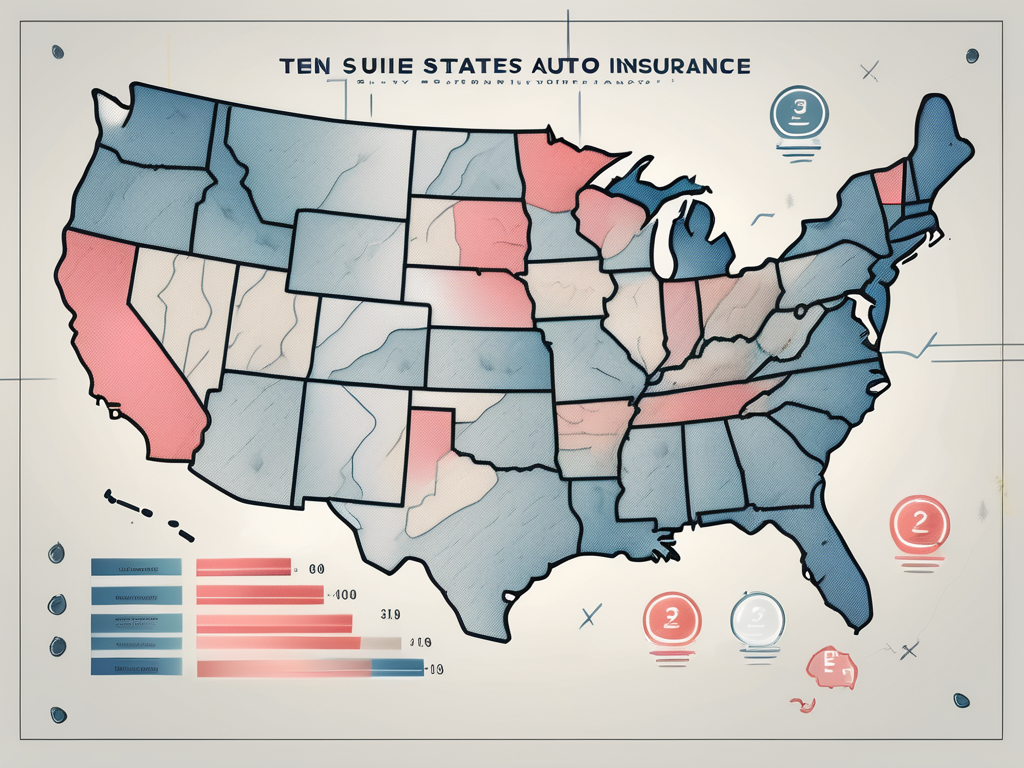
    Auto insurance rates can vary significantly from state to state, and understanding why certain states have higher rates can help drivers make informed decisions. In this article, we will delve into the top 10 most expensive states for auto insurance and explore the factors influencing these costs. We will also provide tips on navigating high insurance costs and discuss the future trends in auto insurance rates. So, let’s get started!

    Understanding Auto Insurance Rates

    Auto insurance rates are determined by several factors, including your age, driving history, type of vehicle, and where you live. However, the state you reside in plays a significant role in shaping your insurance premiums. Various state laws, regional differences, and urban versus rural areas all contribute to the overall cost of auto insurance.

    Section Image

    When it comes to auto insurance rates, it’s not just about your personal driving record. Factors such as population density, crime rates, weather conditions, traffic congestion, and the number of uninsured drivers in your area all play a crucial role in determining how much you’ll pay for coverage. These external factors can significantly impact the likelihood of accidents and claims, which in turn affects insurance premiums.

    Factors Influencing Auto Insurance Costs

    Several factors can impact auto insurance costs. These include:

    1. Population density
    2. Crime rates
    3. Weather conditions
    4. Traffic congestion
    5. Number of uninsured drivers

    High population density and congested urban areas tend to have higher insurance rates due to increased accident risks. Additionally, states with high crime rates or severe weather conditions may also experience higher insurance costs.

    Moreover, the prevalence of uninsured drivers in a state can also drive up insurance rates for everyone else. When there are more uninsured motorists on the road, the financial burden of accidents often falls on insured drivers and their insurance companies, leading to higher premiums across the board.

    How State Laws Impact Insurance Rates

    State laws and regulations can have a significant impact on auto insurance rates. Some states require higher minimum coverage limits, which can increase premiums. Others may have more lenient laws or regulations, resulting in lower costs. Understanding your state’s insurance laws is essential when considering insurance options.

    Additionally, states may have different regulations regarding how insurance companies can calculate rates, leading to variations in pricing strategies. For example, some states allow insurers to consider credit scores when determining premiums, while others prohibit this practice. These regulatory differences can lead to disparities in insurance costs between states, making it crucial for consumers to be aware of the specific laws governing auto insurance in their area.

    The Cost of Auto Insurance Across the United States

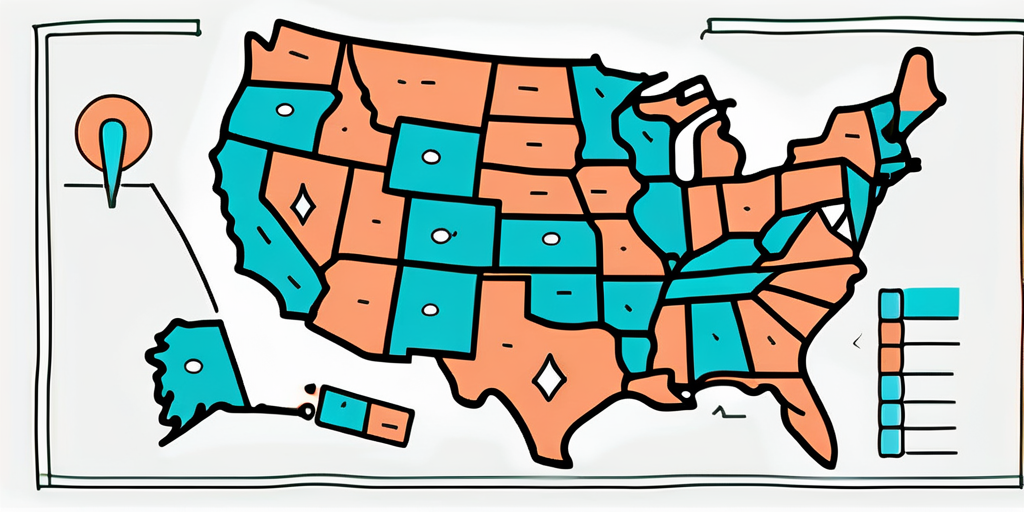
    The cost of auto insurance can vary greatly depending on the state you reside in. Let’s explore the regional differences in auto insurance costs and how urban versus rural areas can affect rates.

    Auto insurance premiums are influenced by a multitude of factors, including state regulations, population density, and even weather patterns. States like Michigan and Louisiana often have higher insurance rates due to factors such as high numbers of uninsured drivers and no-fault insurance laws. Conversely, states like Vermont and North Carolina tend to have lower insurance premiums, attributed to their lower population density and fewer instances of insurance fraud.

    Regional Differences in Auto Insurance Costs

    When comparing auto insurance costs across regions, it becomes evident that certain areas have higher rates than others. Factors such as the cost of living, average income levels, and local insurance market dynamics can all contribute to these discrepancies.

    Additionally, the level of competition among insurance providers in a particular region can impact the pricing of auto insurance. States with a higher number of insurance companies competing for business tend to have lower premiums as companies strive to attract customers with competitive rates and discounts.

    Urban vs. Rural Insurance Rates

    Insurance rates also differ between urban and rural areas. Urban residents might face higher rates due to increased traffic, higher crime rates, and greater chances of accidents. On the other hand, rural residents may experience lower rates due to fewer traffic incidents and a generally lower risk profile.

    Moreover, the type of coverage required in urban areas compared to rural areas can also affect insurance costs. Urban drivers may opt for comprehensive coverage to protect against theft and vandalism, while rural drivers might prioritize coverage for collisions with wildlife or livestock commonly found in rural areas.

    Detailed Look at the Top 10 Most Expensive States

    Now, let’s take a closer look at the top 10 most expensive states for auto insurance and explore the reasons behind their high rates.

    Section Image

    Understanding the intricacies of auto insurance pricing can shed light on why certain states consistently rank among the most expensive in the country. Factors such as population density, traffic congestion, and weather patterns all play a role in determining insurance premiums. Let’s delve deeper into the specifics of each state to uncover the nuances that contribute to their high insurance costs.

    State 1: Overview and Reasons for High Rates

    State 1 consistently ranks among the states with the highest auto insurance rates. Factors such as a high number of uninsured drivers and frequent severe weather events contribute to the increased costs.

    Additionally, State 1’s urban areas experience higher rates of vehicle theft and vandalism, leading insurance companies to adjust their premiums to account for these risks. The state’s unique geographical features, such as mountainous terrain or coastal regions, can also impact insurance rates due to the increased likelihood of accidents in these areas.

    State 2: Overview and Reasons for High Rates

    State 2 also falls within the top 10 most expensive states for auto insurance. High population density and congested urban areas result in more accidents and, subsequently, higher insurance rates.

    Moreover, State 2’s proximity to major highways and interstates can lead to a higher frequency of collisions and, consequently, greater insurance payouts. The state’s regulatory environment and legal framework may also influence insurance costs, as certain laws and regulations can impact the claims process and settlement amounts.

    State 3: Overview and Reasons for High Rates

    In State 3, insurance rates remain consistently high due to a combination of factors, including a high crime rate and strict insurance laws.

    Furthermore, State 3’s urban centers face challenges such as traffic congestion and limited parking, which can contribute to a higher number of accidents and claims. The state’s demographic makeup, including the age and driving habits of its residents, can also affect insurance premiums, as certain groups may pose a higher risk to insurers.

    How to Navigate High Insurance Costs

    Although being in one of the top 10 most expensive states for auto insurance may seem daunting, there are ways to manage and navigate high insurance costs.

    Section Image

    When faced with high insurance costs, it’s essential to explore all available options to find the most cost-effective solution for your needs. While the initial premium might seem steep, taking proactive steps can lead to significant savings in the long run.

    Tips for Finding Affordable Auto Insurance

    Shopping around for insurance quotes from multiple providers and comparing coverage options can help find affordable rates. Additionally, maintaining a good driving record and taking advantage of discounts for safe driving habits or bundling multiple policies can help lower premiums.

    Moreover, consider adjusting your coverage limits and deductibles to strike a balance between protection and cost. Higher deductibles typically result in lower premiums, but it’s crucial to ensure you can afford the out-of-pocket costs in case of an accident.

    Understanding Discounts and Bundling Options

    Many insurance companies offer discounts for certain criteria, such as having a clean driving record, taking driver’s education courses, or bundling multiple insurance policies like home and auto. Understanding these discounts and maximizing their benefits can help mitigate high insurance costs.

    Furthermore, some insurers provide usage-based insurance programs that track your driving habits through a mobile app or device. By demonstrating safe driving behaviors, such as avoiding hard braking or late-night trips, you may qualify for additional discounts based on your actual driving performance.

    The Future of Auto Insurance Costs

    Auto insurance costs are not static, and industry trends can provide insights into what the future holds for drivers.

    Predicted Trends in Auto Insurance Rates

    Experts predict that auto insurance rates will continue to rise due to an increase in the cost of vehicle repairs, medical expenses, and advancements in automotive technology. Additionally, economic factors and changes in insurance regulations can also influence future rates.

    The Impact of Technology on Auto Insurance Costs

    Technological advancements, such as telematics and self-driving cars, can potentially impact auto insurance costs. While certain technologies, like telematics-based insurance, can reward safe driving and reduce costs, the introduction of autonomous vehicles may bring changes that could affect rates in the future.

    Moreover, the rise of electric vehicles (EVs) in the automotive market could also impact auto insurance costs. While EVs are known for their eco-friendly nature and lower maintenance costs, their repair expenses can be higher due to specialized parts and technology. Insurers may need to adjust their coverage and pricing models to accommodate the unique characteristics of EVs, ultimately influencing insurance rates for drivers of these vehicles.

    As the auto industry continues to evolve, factors such as climate change and extreme weather events can also play a role in shaping auto insurance costs. With the increasing frequency of natural disasters and their impact on vehicle damage, insurers may need to reassess risk models and coverage options, potentially leading to adjustments in insurance premiums for drivers in vulnerable regions.

    In conclusion, understanding the factors influencing auto insurance rates and the reasons why certain states have higher rates is crucial for drivers looking to navigate high insurance costs. By exploring the top 10 most expensive states for auto insurance, tips for finding affordable insurance, and keeping an eye on future trends, drivers can make informed decisions to mitigate expenses. Stay informed, stay safe, and make the best choices when it comes to your auto insurance needs.

  • Questions and answers about how insurance works

    Questions and answers about how insurance works

    Insurance is a crucial aspect of our lives that provides protection and peace of mind in uncertain times. Whether it’s health, life, auto, or homeowners insurance, understanding how insurance works is essential. In this article, we will explore the basics of insurance, the different types available, the process of getting insured, and how insurance claims work.

    Understanding the Basics of Insurance

    What is Insurance?

    Insurance is a contract between an individual or business and an insurance company, where the insured pays a premium in exchange for financial protection against certain risks. The insurance company agrees to cover the costs associated with specific events outlined in the policy.

    Section Image

    Insurance comes in various forms, such as life insurance, health insurance, property insurance, and more. Each type of insurance serves a different purpose and provides coverage for distinct risks. For example, life insurance offers financial support to the beneficiaries of the insured in the event of their death, while health insurance helps cover medical expenses incurred due to illnesses or injuries.

    The Importance of Having Insurance

    Having insurance is vital because it safeguards us and our assets from unforeseen circumstances. It provides a safety net during challenging times and helps mitigate financial burdens that may arise due to accidents, illnesses, or other unfortunate events.

    Moreover, insurance promotes financial stability and peace of mind. By having the right insurance coverage, individuals and businesses can protect their hard-earned assets and investments. Insurance also plays a crucial role in risk management by spreading the financial impact of unexpected events across a larger group of policyholders, reducing the burden on any single entity.

    Different Types of Insurance

    Health Insurance

    Health insurance is designed to cover medical expenses, protecting individuals and families from the high costs of healthcare. It typically includes coverage for doctor visits, hospital stays, medications, surgeries, and preventive care.

    Section Image

    Furthermore, health insurance can vary widely in terms of coverage and cost. Some plans may have higher premiums but lower out-of-pocket expenses, while others may have lower premiums but higher deductibles. It’s essential for individuals to carefully review and compare different health insurance options to find a plan that best fits their needs and budget.

    Life Insurance

    Life insurance is a policy that pays out a death benefit to beneficiaries upon the insured person’s death. It provides financial support to loved ones, ensuring that they are taken care of in the event of the policyholder’s passing.

    Moreover, life insurance can be an essential financial planning tool, providing peace of mind and financial security to dependents. There are different types of life insurance policies, such as term life and whole life, each with its own set of benefits and considerations. It’s crucial for individuals to assess their financial goals and family’s needs when selecting a life insurance policy.

    Auto Insurance

    Auto insurance protects against financial loss due to damage or theft of a vehicle. It can also provide coverage for injuries sustained in an accident. Auto insurance is often required by law and offers different types of coverage, such as liability, collision, and comprehensive.

    Additionally, auto insurance premiums can be influenced by various factors, including the driver’s age, driving record, type of vehicle, and location. Understanding the different components of auto insurance coverage and how they work together can help individuals make informed decisions when choosing a policy that provides adequate protection at a reasonable cost.

    Homeowners Insurance

    Homeowners insurance safeguards one of our most significant investments – our homes. It provides coverage for damages caused by fire, theft, storms, or other disasters. It also includes liability protection if someone gets injured on the property.

    Furthermore, homeowners insurance can offer additional coverage options, such as coverage for personal belongings, additional living expenses if the home becomes uninhabitable, and liability protection for incidents that occur both on and off the property. Understanding the specific coverage limits and exclusions of a homeowners insurance policy is crucial for homeowners to ensure they are adequately protected in various scenarios.

    The Process of Getting Insured

    Getting insured is a significant step towards securing your financial future and protecting yourself from unexpected events. Understanding the process involved in obtaining insurance can help you make informed decisions and choose the right coverage for your needs.

    Choosing the Right Insurance Plan

    When selecting an insurance plan, it’s vital to assess your needs and consider factors such as coverage limits, deductibles, and premiums. Research different insurance providers, compare plans, and choose the one that offers the best value for your specific situation. Keep in mind that insurance needs can vary based on factors like age, health status, and lifestyle, so it’s essential to tailor your coverage to fit your individual circumstances.

    Additionally, consider reaching out to insurance agents or brokers who can provide personalized guidance and help you navigate the complexities of insurance policies. They can offer insights into available options, explain technical jargon, and assist you in making well-informed choices.

    Applying for Insurance

    Once you have identified the right insurance plan, you can start the application process. It involves filling out forms, providing necessary information, such as personal details, medical history, or vehicle specifications, and paying the initial premium. Be thorough and accurate in your application to avoid delays or potential issues during the underwriting process.

    Remember that the underwriting process is crucial for insurance companies to assess risk and determine the appropriate premium for your coverage. Depending on the type of insurance you are applying for, underwriting may involve reviewing your medical records, conducting inspections, or assessing your driving history.

    Understanding Your Insurance Policy

    After being approved for insurance, it is crucial to carefully read and understand your policy. Familiarize yourself with the coverage, exclusions, limitations, and any additional terms. Knowing the details of your policy will ensure that you make informed decisions and avoid misunderstandings in the future.

    Take note of important policy features such as grace periods for premium payments, procedures for filing claims, and any renewal conditions. It’s also advisable to keep your insurance documents in a safe and easily accessible place for future reference. In case of any uncertainties or queries regarding your policy, don’t hesitate to contact your insurance provider for clarification.

    How Insurance Claims Work

    Filing an Insurance Claim

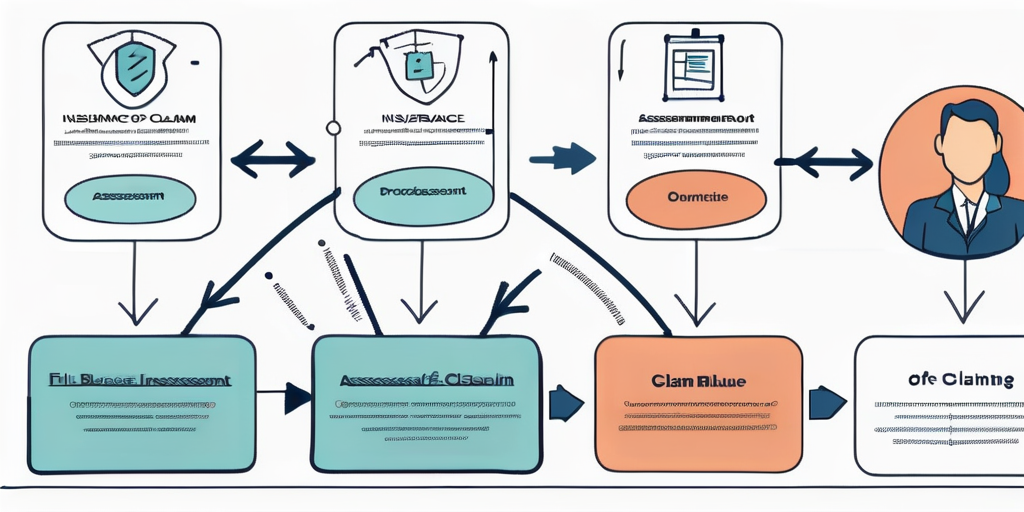
    In the event of an incident covered by your insurance policy, you can file a claim with your insurance company. This involves notifying them of the incident, providing the necessary documentation, such as police reports or medical records, and working with the claims adjuster to assess the damages or losses.

    Section Image

    It’s important to note that the process of filing an insurance claim can vary depending on the type of insurance you have. For example, filing a health insurance claim may require submitting medical bills and treatment records, while filing a car insurance claim may involve providing repair estimates and photos of the damage. Understanding the specific requirements of your insurance policy can help streamline the claims process and ensure a quicker resolution.

    The Role of Insurance Adjusters

    Insurance adjusters evaluate insurance claims to determine the extent of coverage and the appropriate compensation. They investigate the incident, collect relevant information, and collaborate with all parties involved to oversee a fair settlement process.

    Insurance adjusters play a crucial role in the claims process by acting as impartial third parties who assess the validity of a claim. Their expertise in evaluating damages and interpreting insurance policies helps ensure that both the insurance company and the insured are treated fairly throughout the claims process. By working closely with insurance adjusters and providing accurate information, policyholders can expedite the claims process and reach a satisfactory resolution sooner.

    Settlement of Insurance Claims

    Once the insurance company and the insured agree on the claim settlement, the insurance company will provide the agreed-upon compensation. The settlement can be in the form of a lump sum payment or periodic payments, depending on the policy terms and the nature of the claim.

    It’s essential for policyholders to review the terms of their insurance policy carefully to understand how claim settlements are determined. Some policies may have limits on coverage amounts or specific conditions that affect the payout structure. By being aware of these details, policyholders can manage their expectations regarding claim settlements and ensure they have adequate coverage for potential losses.

    Understanding how insurance works is crucial for making informed decisions when it comes to protecting yourself, your loved ones, and your assets. By familiarizing yourself with the basics, different types, and the claims process, you can navigate the insurance world confidently and secure the necessary coverage to ensure your peace of mind.

  • Can someone with cancer get life insurance?

    Can someone with cancer get life insurance?

    Life insurance is an important financial planning tool that provides a safety net for loved ones in the event of your passing. However, for individuals with cancer, obtaining life insurance can be a challenging and complex process. In this article, we will explore the possibilities of securing life insurance for individuals dealing with cancer, and provide insights into the factors that influence insurance approval.

    Understanding Life Insurance Policies

    Before delving into life insurance for cancer patients, it is crucial to have a solid understanding of basic life insurance policies. Life insurance is a contract between an individual and an insurance company, where the insurer agrees to pay a designated beneficiary a sum of money upon the death of the insured person. There are several types of life insurance policies to consider based on your unique financial circumstances and objectives.

    Life insurance is not just a financial product; it is a crucial tool for providing financial security to your loved ones in the event of your passing. It can help cover various expenses such as funeral costs, outstanding debts, mortgage payments, and even provide income replacement for your family.

    Basic Principles of Life Insurance

    Life insurance policies operate on the principle of risk assessment. Insurance companies evaluate various factors such as age, health, lifestyle, and occupation to determine the risk associated with insuring an individual. Cancer is a significant risk factor that can influence an insurer’s decision-making process.

    Aside from cancer, insurers also consider other health conditions, family medical history, and lifestyle choices when assessing an individual’s risk profile. It’s essential to provide accurate and detailed information during the application process to ensure you receive the appropriate coverage.

    Types of Life Insurance Policies

    There are primarily two types of life insurance policies: term life insurance and permanent life insurance. Term life insurance provides coverage for a specified period, typically 10, 20, or 30 years. Permanent life insurance, on the other hand, offers lifelong coverage combined with a savings component.

    Term life insurance is often more affordable and straightforward, making it a popular choice for individuals looking for temporary coverage. Permanent life insurance, on the other hand, offers long-term financial protection and can accumulate cash value over time, which can be used for various purposes such as retirement income or emergencies.

    Life Insurance for Cancer Patients

    Securing life insurance can be more challenging for individuals with cancer due to the perceived higher risk associated with the disease. However, it is not impossible, and there are options available.

    Understanding the complexities of obtaining life insurance as a cancer patient involves delving into the intricate web of factors that insurance companies consider. These factors go beyond just the presence of cancer and extend to various aspects of the individual’s medical history and current health status.

    Factors Influencing Insurance Approval

    Insurance companies assess multiple factors when evaluating an individual’s eligibility for life insurance. Some key factors influencing approval for cancer patients include the stage of cancer, treatment history, current health status, prognosis, and overall risk factors. It’s essential to provide detailed information about your medical condition to insurers.

    Moreover, insurance underwriters may also take into account lifestyle factors such as smoking, alcohol consumption, and family medical history when determining the risk profile of a cancer patient. These additional considerations can play a significant role in the final decision regarding insurance approval.

    The Role of Remission in Insurance Approval

    If you have been in remission for a specific period, you may have better chances of obtaining life insurance compared to someone currently undergoing treatment. Each insurance company has its own guidelines regarding remission periods, so it is crucial to research and consult with insurance professionals.

    Furthermore, the duration of remission and the type of cancer can also impact the insurance approval process. Certain types of cancer may be viewed more favorably by insurers, especially if they have higher remission rates and lower chances of recurrence.

    The Application Process for Cancer Patients

    When applying for life insurance as a cancer patient, it is crucial to be well-prepared to increase the likelihood of approval. Navigating the application process can be complex, but with the right approach, you can secure the coverage you need.

    Section Image

    Preparing for the Application

    Prior to applying, gather all relevant medical documents, treatment records, and pathology reports. It is essential to provide accurate and detailed information about your medical history to insurance companies. This documentation will help insurers assess your current health status and determine the level of risk involved. Additionally, consider seeking assistance from your healthcare provider or an insurance professional to ensure you have all the necessary documents and information in order.

    Furthermore, it can be beneficial to familiarize yourself with the specific requirements of different insurance providers. Each company may have varying criteria for insuring cancer patients, so understanding these nuances can help you tailor your application accordingly. By being proactive and organized in gathering your medical records, you demonstrate to insurers your commitment to transparency and cooperation.

    What to Expect During the Application Process

    The application process for life insurance as a cancer patient typically involves a detailed health questionnaire, possible medical examinations, and potential underwriting. It is important to be honest and transparent throughout the process, as any discrepancies or omissions could impact the outcome of your application. Be prepared to discuss your diagnosis, treatment history, and current health status in detail with the insurance company.

    Understand that insurers might require additional information or consultation with your doctors to assess the level of risk involved accurately. This thorough evaluation is standard procedure for cancer patients seeking life insurance, as insurers aim to make informed decisions based on comprehensive information. By cooperating fully and openly with the insurer’s requests, you demonstrate your willingness to provide all necessary details for a fair assessment of your application.

    Tips for Cancer Patients Seeking Life Insurance

    Here are some valuable tips to increase your chances of securing life insurance coverage:

    Section Image

    Being diagnosed with cancer can make obtaining life insurance seem like a daunting task. However, with the right approach and information, it is possible to find coverage that meets your needs and provides financial security for your loved ones.

    Choosing the Right Insurance Company

    Not all insurance companies have the same underwriting guidelines for cancer patients. Research and compare insurance companies that specialize in providing coverage to individuals with pre-existing conditions, including cancer. Working with an experienced insurance professional can be beneficial in finding the right insurer.

    It’s important to look for insurers that have a history of working with cancer patients and understand the unique challenges they face. These companies may offer more flexible underwriting criteria and be more willing to provide coverage at affordable rates.

    Tips for Improving Your Chances of Approval

    Improving your chances of approval for life insurance involves maintaining a healthy lifestyle, following your treatment plan diligently, and regularly visiting your healthcare provider for check-ups. Demonstrating proactive management of your health can positively impact the underwriting decision.

    Additionally, providing detailed information about your diagnosis, treatment, and prognosis to the insurance company can help them better understand your situation and make a more informed decision. Being transparent and proactive in your communication can build trust and increase your chances of approval.

    Common Questions and Misconceptions

    Despite the importance of life insurance for individuals with cancer, there are often questions and misconceptions surrounding the topic.

    Section Image

    When it comes to life insurance for cancer patients, it’s crucial to understand that having a cancer diagnosis does not automatically disqualify you from obtaining coverage. While there may be challenges in the underwriting process, there are insurance options available specifically tailored to individuals with pre-existing conditions like cancer.

    Debunking Myths About Cancer and Life Insurance

    There are several myths circulating regarding life insurance for cancer patients. It is crucial to dispel these myths and provide accurate information to help individuals make informed decisions about their insurance needs.

    One common myth is that cancer patients cannot get life insurance at all. In reality, many insurance companies offer coverage to individuals with a history of cancer, depending on factors such as the type of cancer, stage, treatment history, and current health status. It’s important to work with an experienced agent who can guide you through the process and find the best options for your specific situation.

    Frequently Asked Questions

    To address common queries, we have compiled a list of frequently asked questions about life insurance for cancer patients. These questions cover topics such as pricing, coverage limits, and the impact of cancer on premiums.

    Another misconception is that life insurance for cancer patients is unaffordable. While it’s true that premiums may be higher for individuals with pre-existing conditions, there are still affordable options available. Some insurance companies offer graded benefit policies or guaranteed issue policies that do not require a medical exam, making them accessible to cancer patients who may have difficulty obtaining traditional coverage.

    In conclusion, while obtaining life insurance as a cancer patient may pose challenges, it is not impossible. By understanding the principles of life insurance, preparing for the application process, and seeking assistance from professionals, you can enhance your chances of securing coverage. Remember, each insurance company is unique in its underwriting guidelines, so thorough research and consultation are essential. Don’t let cancer deter you from protecting your loved ones’ financial future.

  • What is reinsurance?

    What is reinsurance?

    Reinsurance is a crucial concept in the insurance industry that plays a vital role in managing risk and ensuring the financial stability of insurance companies. Understanding the fundamentals of reinsurance is essential for anyone involved in the insurance business. In this article, we will delve into the definition and basic explanation of reinsurance, its various types, the reinsurance process, as well as the benefits, challenges, and risks associated with it.

    Understanding the Concept of Reinsurance

    Definition and Basic Explanation

    Reinsurance can be defined as an arrangement between insurance companies where one insurer, known as the ceding company, transfers a portion of its risk to another insurance company, called the reinsurer. In simple terms, reinsurers provide insurance coverage to insurance companies. This enables insurance companies to minimize their exposure to large losses and maintain their financial stability in the face of unpredictable events.

    Section Image

    Reinsurance allows insurance companies to diversify their risks by spreading them across multiple reinsurers. By doing so, insurers can protect themselves from catastrophic claims, such as natural disasters, which could otherwise cripple their operations. Reinsurance acts as a safety net, providing additional layers of protection to insurance companies and ensuring their long-term viability.

    The Role of Reinsurance in the Insurance Industry

    Reinsurance plays a crucial role in the insurance industry, serving as the backbone of the entire system. It enables insurers to provide coverage for a wide range of risks while maintaining their financial stability. Without reinsurance, insurance companies would be hesitant to provide coverage for high-value and high-risk assets.

    Reinsurance allows insurers to underwrite policies with higher limits and broader coverage, enhancing their ability to serve the needs of their clients. It also enables insurance companies to access expertise and resources from reinsurers, improving the overall quality of their products and services.

    Furthermore, reinsurance fosters innovation within the insurance industry. By transferring a portion of their risk to reinsurers, insurance companies can take on more challenging and unique risks. This encourages insurers to develop new products and services that cater to emerging market demands and changing customer needs.

    Additionally, reinsurance promotes stability in the insurance market. In times of economic uncertainty or when faced with a sudden surge in claims, reinsurers provide the necessary financial support to insurance companies. This ensures that insurers can continue to fulfill their obligations to policyholders, even during challenging times.

    Moreover, reinsurance plays a vital role in global risk management. As insurance companies operate in different regions and face diverse risks, reinsurers provide a global perspective on risk assessment and management. This allows insurers to tap into the expertise of reinsurers who have a deep understanding of specific markets and can provide valuable insights into risk mitigation strategies.

    In conclusion, reinsurance is not just a financial transaction between insurance companies; it is a fundamental pillar of the insurance industry. It enables insurers to manage their risks effectively, expand their coverage offerings, and maintain their financial stability. Reinsurance fosters innovation, promotes stability, and facilitates global risk management, making it an indispensable component of the insurance ecosystem.

    The Different Types of Reinsurance

    Facultative Reinsurance

    Facultative reinsurance involves the evaluation of individual insurance risks on a case-by-case basis. In this type of reinsurance, the ceding company and the reinsurer negotiate terms and conditions for each policy. Facultative reinsurance is typically used for unique or high-value risks that do not fit into standard insurance policies.

    Section Image

    Facultative reinsurance provides flexibility to insurance companies, allowing them to transfer specific risks to reinsurers, ensuring that they have sufficient capacity to cover losses.

    Facultative reinsurance is often employed in complex insurance scenarios where the risk is not easily quantifiable or falls outside the scope of traditional insurance coverage. Reinsurers specializing in facultative reinsurance have the expertise to assess and underwrite these unique risks, providing tailored solutions to meet the needs of both the ceding company and the policyholder. The detailed negotiation process involved in facultative reinsurance helps establish clear terms for risk assumption, ensuring that all parties have a comprehensive understanding of their obligations.

    Treaty Reinsurance

    Treaty reinsurance is a more general form of reinsurance that involves an ongoing agreement between the ceding company and the reinsurer. Under this arrangement, the reinsurer agrees to assume a predetermined portion of the risk for a particular type of policy or a portfolio of policies.

    Treaty reinsurance provides a more systematic approach, allowing insurance companies to transfer risks based on predefined terms and conditions. This type of reinsurance provides stability and consistency, ensuring that insurance companies have the capacity to underwrite policies within their specific market segments.

    Within treaty reinsurance, there are different structures such as quota share and excess of loss treaties. Quota share treaties involve the reinsurer and the ceding company sharing premiums and losses based on a predetermined percentage. On the other hand, excess of loss treaties come into play when losses exceed a certain threshold, with the reinsurer covering the amount above that threshold. These variations in treaty reinsurance allow for customization based on the risk appetite and financial objectives of the ceding company.

    The Process of Reinsurance

    Risk Assessment in Reinsurance

    Before entering into a reinsurance agreement, both the ceding company and the reinsurer must assess the risk involved. This includes considering the nature of the risks, evaluating historical loss data, and analyzing market conditions.

    Risk assessment is crucial in determining the appropriate amount of coverage needed and establishing the terms and premium rates for the reinsurance contract. It helps both parties understand the potential financial impact of the risks and ensures the adequacy of the reinsurance coverage.

    Moreover, risk assessment involves sophisticated modeling techniques and statistical analysis to predict potential losses accurately. Reinsurers often employ actuaries and risk management experts to assess the risks effectively and ensure that the reinsurance arrangement is financially sound.

    The Reinsurance Contract

    Once the risk assessment is complete, the ceding company and the reinsurer negotiate and agree upon the terms of the reinsurance contract. The contract specifies the obligations and responsibilities of both parties, including the scope of coverage, premium payments, and claims settlement procedures.

    The reinsurance contract provides legal protection and clarity for both the ceding company and the reinsurer, ensuring that there is no ambiguity regarding the terms and conditions of the agreement.

    Furthermore, the reinsurance contract may include clauses related to dispute resolution mechanisms, confidentiality agreements, and regulatory compliance requirements. These additional provisions help to streamline the reinsurance process and mitigate potential conflicts between the ceding company and the reinsurer.

    Benefits of Reinsurance

    Risk Management and Financial Stability

    One of the significant benefits of reinsurance is its ability to manage risk and maintain the financial stability of insurance companies. By transferring a portion of their risks to reinsurers, insurers can mitigate the impact of catastrophic events and ensure that they have the necessary financial resources to pay claims.

    Section Image

    Reinsurance allows insurers to use their capital more efficiently, as they do not need to hold excessive reserves to cover potential losses. It provides a mechanism for spreading risk, reducing the likelihood of insolvency and ensuring the continued provision of insurance services.

    Furthermore, reinsurance plays a crucial role in regulatory compliance for insurance companies. Regulators often require insurers to maintain a certain level of capital to ensure policyholder protection. Reinsurance helps insurers meet these regulatory requirements by providing additional financial backing and risk-sharing arrangements.

    Increased Underwriting Capacity

    Reinsurance enables insurance companies to increase their underwriting capacity by sharing risks with reinsurers. This allows insurers to take on more substantial policies and cover a broader range of risks that they would not be able to handle on their own.

    Increased underwriting capacity enhances insurers’ ability to attract clients and offer competitive insurance products. It allows insurers to take advantage of market opportunities and expand their business while maintaining a balanced risk profile.

    In addition, reinsurance can provide access to specialized expertise and knowledge in niche markets or complex risks. Reinsurers often have extensive experience and resources that can help insurers underwrite policies in new areas or with unique challenges, further expanding their underwriting capabilities.

    Challenges and Risks in Reinsurance

    Reinsurance Fraud

    Like any financial industry, reinsurance is not immune to fraud. Reinsurance fraud can take various forms, including falsifying information, inflating claims, or misrepresenting the financial position of the ceding company.

    To mitigate the risk of fraud, insurance companies must conduct thorough due diligence on potential reinsurers and regularly monitor their financial soundness and reputation. Adequate risk management and internal controls are essential to identify and prevent fraudulent activities in the reinsurance process.

    Regulatory Challenges

    Reinsurance is subject to various regulatory frameworks and requirements that differ across jurisdictions. Compliance with these regulations can pose challenges for insurance companies, particularly those operating in multiple markets.

    Insurance companies must stay updated with regulatory changes and ensure that their reinsurance practices align with the applicable laws and regulations. Failure to comply with regulatory requirements can lead to fines, penalties, and negative consequences for the reputation of the insurance company.

    In conclusion, reinsurance is a fundamental component of the insurance industry that manages risk and ensures the financial stability of insurance companies. By understanding the concept of reinsurance, its types, the reinsurance process, as well as the benefits, challenges, and risks associated with it, insurance professionals can make informed decisions and navigate the complexities of the reinsurance landscape more effectively.

  • What is an umbrella insurance policy?

    What is an umbrella insurance policy?

    Umbrella insurance is a type of liability insurance that provides additional coverage above and beyond what is offered by your standard insurance policies. It acts as an extra layer of protection, giving you added peace of mind in case of unforeseen events or accidents. While it may seem unnecessary to some, understanding the basics of umbrella insurance can help you make an informed decision about whether or not it’s right for you.

    Understanding the Basics of Umbrella Insurance

    Definition and Purpose of Umbrella Insurance

    Umbrella insurance is a crucial component of a comprehensive risk management strategy. It serves as an extra layer of protection that goes above and beyond the limits of your primary insurance policies. By adding an umbrella policy to your insurance portfolio, you are safeguarding your assets and future earnings from potentially devastating financial losses.

    Consider this scenario: a guest slips and falls on your property, resulting in a serious injury that leads to a lawsuit. If the medical expenses and legal fees exceed the liability coverage provided by your homeowners insurance, your umbrella policy would step in to cover the remaining costs, shielding you from a significant financial burden.

    Moreover, umbrella insurance not only offers increased liability coverage but also peace of mind. Knowing that you have an extra layer of protection in place can help you navigate unexpected situations with confidence, ensuring that your financial well-being remains secure.

    Key Features of an Umbrella Insurance Policy

    One of the standout features of umbrella insurance is its versatility in covering a wide array of liability risks. In addition to protecting against personal injury and property damage claims, an umbrella policy can also shield you from allegations of libel, slander, or defamation. This comprehensive coverage extends beyond the confines of standard insurance policies, offering a safety net for various unforeseen circumstances.

    Furthermore, the affordability of umbrella insurance makes it a cost-effective way to enhance your overall risk management strategy. The premium for an umbrella policy is determined by factors such as your level of risk exposure and the amount of coverage you select. By customizing your policy to align with your specific needs, you can ensure that you are adequately protected without breaking the bank.

    The Scope of Umbrella Insurance

    Umbrella insurance is a crucial component of a comprehensive risk management strategy, offering an additional layer of protection beyond standard insurance policies. While traditional insurance policies provide coverage up to a certain limit, umbrella insurance kicks in once those limits are exceeded, safeguarding your assets and future earnings.

    Section Image

    One key benefit of umbrella insurance is its broad coverage. In addition to the scenarios mentioned, it can also protect you from libel, slander, false arrest, and mental anguish claims. This expansive coverage ensures that you are shielded from a wide range of potential liabilities, giving you peace of mind in an unpredictable world.

    What Does Umbrella Insurance Cover?

    Umbrella insurance provides coverage for various scenarios that may lead to liability claims. It typically covers liability claims related to injuries to others, property damage, and certain personal liabilities not covered by other insurance policies.

    For example, if you own a swimming pool and a guest injures themselves while using it, your homeowner’s insurance may not cover the full extent of their medical bills and any subsequent legal claims. This is where umbrella insurance can step in to provide additional coverage.

    Moreover, umbrella insurance extends beyond just domestic incidents. If you are involved in a car accident and the resulting damages exceed your auto insurance limits, umbrella insurance can help cover the remaining costs, including legal fees and medical expenses.

    What Umbrella Insurance Doesn’t Cover

    While umbrella insurance provides extensive coverage, it’s essential to understand its limitations. It does not cover intentional acts, criminal activities, or liability arising from business activities. It also does not provide coverage for your own personal injuries or damages to your property. It is important to read the specific terms and conditions of the policy to fully understand what is and isn’t covered.

    Remember that umbrella insurance is not a standalone solution but rather a critical supplement to your existing insurance portfolio. By working in tandem with your primary insurance policies, umbrella insurance fortifies your financial security and shields you from the potentially devastating consequences of unforeseen events.

    The Importance of Umbrella Insurance

    Protecting Your Assets with Umbrella Insurance

    One of the main reasons to consider umbrella insurance is to protect your hard-earned assets. Without proper liability coverage, a lawsuit or significant accident could result in the loss of your savings, investments, and even your home. Umbrella insurance helps safeguard your assets by providing additional financial protection beyond the limits of your primary insurance policies.

    Section Image

    Moreover, umbrella insurance can also cover legal fees and defense costs in the event of a lawsuit, which can quickly add up and drain your financial resources. This additional coverage ensures that you are not only protected financially but also legally, giving you comprehensive support in times of need.

    Legal Implications of Not Having Umbrella Insurance

    Another important aspect to consider is the potential legal ramifications of not having umbrella insurance. In today’s litigious society, lawsuits can arise from unexpected situations and lead to significant financial losses. Without adequate coverage, you may find yourself facing a hefty settlement or judgment that can have long-lasting consequences.

    Furthermore, umbrella insurance not only protects your financial well-being but also provides peace of mind. Knowing that you have an additional layer of coverage can help alleviate stress and allow you to enjoy life without constant worry about potential liability claims.

    It’s essential to understand that umbrella insurance is not just for the wealthy. In fact, anyone with assets to protect can benefit from this type of coverage. Whether you own a home, car, or recreational vehicles, umbrella insurance can provide an extra level of security that goes beyond standard policies.

    Choosing the Right Umbrella Insurance Policy

    Factors to Consider When Buying Umbrella Insurance

    When selecting an umbrella insurance policy, there are several key factors to consider. First and foremost, assess your risks and assets. Consider the value of your home, vehicles, savings, and investments when determining the appropriate coverage limits.

    Section Image

    Additionally, evaluate any activities or circumstances that may increase your liability exposure, such as having a swimming pool, owning rental properties, or participating in high-risk hobbies. These factors can impact the cost and coverage options available to you.

    Moreover, it’s essential to consider your future financial goals and potential income growth. As your assets and income increase over time, you may need to adjust your umbrella insurance coverage to ensure adequate protection. Regularly reviewing your policy with your insurance agent can help you make informed decisions and update your coverage as needed.

    How to Compare Umbrella Insurance Policies

    Comparing umbrella insurance policies requires careful consideration of various factors. Start by reviewing the coverage limits offered, as well as any exclusions or limitations that may apply. Look for policies that offer worldwide coverage and consider the financial strength and reputation of the insurance company.

    It’s also beneficial to consider the customer service and claims handling reputation of the insurer. Reading reviews and seeking recommendations from trusted sources can provide insights into the overall experience of policyholders.

    Furthermore, when comparing policies, pay attention to the additional coverages and benefits offered by each insurer. Some umbrella insurance policies may include extras such as coverage for legal fees, libel, and slander claims, or even identity theft protection. Understanding these additional features can help you choose a policy that aligns with your specific needs and provides comprehensive protection.

    Cost of Umbrella Insurance

    Understanding the Pricing of Umbrella Insurance

    The cost of umbrella insurance depends on several factors, including the amount of coverage and the level of risk associated with the insured. Generally, the more assets you need to protect and the higher your risk profile, the higher the premium is likely to be.

    However, when compared to the potential financial consequences of a lawsuit or significant accident, the cost of umbrella insurance is often relatively affordable. It is an investment in your financial security and offers valuable protection against unforeseen events.

    Ways to Save on Umbrella Insurance

    While umbrella insurance provides critical coverage, there are ways to potentially save on premiums. One approach is to increase deductibles on underlying insurance policies, as this may lead to lower umbrella insurance rates. Additionally, bundling your umbrella insurance with other policies, such as auto or homeowners insurance, could result in discounts.

    It is also important to regularly review your coverage needs and adjust your policy accordingly. Life changes, such as selling assets or reducing liabilities, may influence the amount of coverage you require. By staying proactive and regularly evaluating your insurance needs, you can ensure that you are getting the most cost-effective umbrella insurance policy.

    In conclusion, an umbrella insurance policy provides valuable protection and peace of mind. It extends your liability coverage beyond the limits of your other insurance policies and helps safeguard your assets from potential lawsuits. By understanding the basics, scope, importance, and cost considerations of umbrella insurance, you can make an informed decision and choose the right policy for your specific needs. Don’t wait until it’s too late – protect yourself and your financial future with the added security of umbrella insurance.

  • Is motorcycle insurance expensive?

    Is motorcycle insurance expensive?

    Motorcycle insurance is a topic of great interest for riders and enthusiasts alike. Whether you’re a seasoned rider or a newbie, understanding the ins and outs of motorcycle insurance can help you make informed decisions about coverage and costs. In this article, we will explore the basics of motorcycle insurance, discuss the factors that influence its cost, examine the impact of different motorcycle types, delve into how location affects insurance rates, and provide insights into how the rider’s age, experience, and driving record play a role. Lastly, we will share some tips on how to reduce motorcycle insurance costs. So let’s get started!

    Understanding the Basics of Motorcycle Insurance

    Before we delve into the cost of motorcycle insurance, it’s important to understand what it actually is. In simple terms, motorcycle insurance is a policy that provides financial protection in the event of an accident, theft, or damage to your motorcycle. Just like car insurance, it covers the costs of repairs, medical expenses, and liability claims.

    Section Image

    Motorcycle insurance is a legal requirement in most states, so it’s essential to have the right coverage to ride legally and enjoy peace of mind on the road. Now that we have a basic understanding of motorcycle insurance, let’s take a closer look at the factors that influence its cost.

    What is Motorcycle Insurance?

    Motorcycle insurance, in essence, is a contract between you and an insurance company. It provides coverage for damages and injuries resulting from accidents involving your motorcycle. The specific coverage and costs will depend on the policy you choose.

    Factors Influencing the Cost of Motorcycle Insurance

    Several factors affect the cost of motorcycle insurance. Insurance providers consider these factors to assess the level of risk associated with insuring a specific motorcycle and rider:

    1. Age and experience of the rider
    2. Type of motorcycle
    3. Location
    4. Driving record

    Let’s delve deeper into each of these factors to understand their impact on motorcycle insurance costs.

    Firstly, the age and experience of the rider play a significant role in determining the cost of motorcycle insurance. Younger and less experienced riders are often charged higher premiums due to the increased likelihood of accidents. Insurance companies view seasoned riders as less risky and therefore offer lower premiums to those with more experience on the road.

    Secondly, the type of motorcycle you ride can also affect insurance costs. High-performance bikes are typically more expensive to insure because they are more powerful and have a higher risk of being involved in accidents. On the other hand, standard or cruiser motorcycles may have lower insurance premiums due to their lower speed capabilities and reduced risk profile.

    The Impact of Motorcycle Type on Insurance Rates

    When it comes to motorcycle insurance rates, the type of motorcycle you ride plays a significant role. Insurance providers categorize motorcycles into different groups based on various factors, including their performance, engine size, and intended use. The two main types of motorcycles that are often compared are sport bikes and cruiser bikes. Let’s see how their insurance rates differ.

    Understanding the nuances of motorcycle insurance can help riders make informed decisions when selecting their ride. Apart from the type of motorcycle, factors such as the rider’s age, driving record, and location also play a crucial role in determining insurance premiums. Insurance companies take into account the statistical risk associated with different types of motorcycles and riders to calculate the appropriate rates.

    Sport Bikes vs. Cruiser Bikes: A Cost Comparison

    Sport bikes, known for their agility and speed, typically have higher insurance rates compared to cruiser bikes. This is mainly due to their higher risk of accidents, as they are designed for performance-oriented riding. On the other hand, cruiser bikes, with their relaxed riding posture and lower horsepower, tend to be associated with lower insurance rates.

    It’s important for riders to consider not only the upfront cost of purchasing a motorcycle but also the long-term expenses such as insurance premiums. Sport bike enthusiasts may find the thrill of speed worth the higher insurance costs, while cruiser bike riders can enjoy a more laid-back riding experience with potentially lower insurance expenses.

    The Effect of Motorcycle Age and Condition on Insurance

    The age and condition of your motorcycle can also influence your insurance premiums. Older motorcycles, especially those with a limited market value, often come with lower insurance costs. However, if you own a vintage or rare motorcycle, the insurance rates might be higher due to the scarcity of replacement parts and the higher repair costs associated with specialized bikes.

    Riders who invest in maintaining their motorcycles in top condition may benefit from reduced insurance rates, as regular maintenance can help prevent accidents and breakdowns. Insurance providers often offer discounts to riders who demonstrate a commitment to safety and proper upkeep of their bikes. By understanding how motorcycle age and condition impact insurance rates, riders can make informed choices to protect themselves and their investment on the road.

    How Location Affects Motorcycle Insurance Costs

    Your location can have a significant impact on the cost of motorcycle insurance. Insurance providers take into account factors such as crime rates, population density, and local accident statistics when determining premiums. The general rule of thumb is that urban areas tend to have higher insurance rates compared to rural areas.

    Section Image

    When it comes to urban areas, the bustling streets and high population density can result in a higher likelihood of accidents and theft, leading insurance companies to charge more to cover these risks. Additionally, the increased traffic congestion in cities can contribute to a higher frequency of accidents, further influencing insurance costs. On the other hand, rural areas offer more open roads and less traffic, reducing the chances of accidents and theft, thus resulting in lower insurance premiums for motorcycle riders.

    Urban vs. Rural: Where is Motorcycle Insurance More Expensive?

    In urban areas, the increased risk of theft and accidents due to heavy traffic and crowded streets leads to higher insurance rates. Rural areas, on the other hand, often have lower insurance costs due to fewer accidents and theft cases reported.

    Moreover, urban areas may have a higher cost of living, which can also impact insurance rates. The cost to repair or replace a motorcycle in an urban setting may be higher due to increased labor and property costs, prompting insurance companies to adjust their rates accordingly. In contrast, rural areas typically have lower repair and replacement costs, contributing to the overall affordability of motorcycle insurance in these regions.

    State-by-State Analysis of Motorcycle Insurance Rates

    It’s worth noting that motorcycle insurance rates can also vary significantly from state to state. Some states have higher average rates due to factors such as mandatory minimum coverage requirements, higher accident rates, or increased insurance competition. Therefore, it’s essential to research the specific insurance regulations and rates in your state to get accurate cost estimates.

    Additionally, certain states may have unique weather patterns that impact motorcycle insurance rates. For instance, states prone to severe weather conditions like hurricanes or snowstorms may see higher insurance premiums to account for the increased risk of damage to motorcycles. Conversely, states with more temperate climates may experience lower insurance rates as the likelihood of weather-related incidents is reduced.

    The Role of the Rider in Determining Insurance Costs

    When it comes to motorcycle insurance costs, the rider’s age, experience, and driving record are crucial factors that insurers consider. Let’s explore how these elements affect insurance premiums.

    Section Image

    How Rider Age and Experience Impact Insurance Rates

    Young and inexperienced riders typically face higher insurance rates due to their higher risk of accidents. As riders gain more experience and demonstrate responsible riding behavior, their insurance rates are likely to decrease. Many insurance providers offer discounts and benefits based on riding experience, so it’s worth exploring these options to lower your insurance costs.

    The Influence of Driving Record on Motorcycle Insurance

    Your driving record, including any previous accidents, traffic violations, or insurance claims, can significantly impact your motorcycle insurance costs. Riders with a clean driving record are more likely to enjoy lower premiums compared to those with a history of accidents or violations. It’s essential to maintain a safe and responsible driving record to keep your insurance costs in check.

    Ways to Reduce Motorcycle Insurance Costs

    Now that we’ve covered the various factors that influence motorcycle insurance costs, let’s explore some tips to help reduce those costs.

    Discounts and Deals for Motorcycle Insurance

    Many insurance companies offer discounts and deals that can help you save on motorcycle insurance. These discounts may include safe rider discounts, multi-policy discounts, loyalty discounts, or discounts for completing safety courses. It’s worth exploring different insurance providers and comparing their offerings to find the best deal for your specific needs.

    The Benefits of Safety Courses in Lowering Insurance Rates

    Completing safety courses, such as the Motorcycle Safety Foundation (MSF) course, can not only enhance your riding skills but also lead to lower insurance premiums. Many insurers offer discounts for riders who have successfully completed approved safety courses. These courses provide valuable knowledge and techniques to help you ride safely and potentially reduce the risk of accidents, making you a more desirable insurance candidate.

    In conclusion, motorcycle insurance costs depend on a variety of factors, including the type of motorcycle, location, rider age and experience, and driving record. By understanding these factors and exploring ways to reduce insurance costs, you can find a suitable policy that offers adequate coverage at an affordable price. Remember, safety should always be a priority, both on and off the road. Stay informed, ride responsibly, and enjoy the open road with peace of mind!

  • How does inflation impact my insurance premium?

    How does inflation impact my insurance premium?

    Inflation is a concept that can have a significant impact on various aspects of our lives, including insurance premiums. Understanding the connection between inflation and insurance is essential to comprehend how this economic phenomenon influences the cost of our coverage.

    Understanding the Concept of Inflation

    In order to grasp how inflation affects insurance premiums, it is important to have a solid understanding of the basics of inflation. So, what exactly is inflation? In simple terms, inflation refers to the general increase in prices for goods and services over time. This means that the purchasing power of money decreases as inflation rises. Inflation is typically measured by the Consumer Price Index (CPI), which tracks the average price level of a basket of common goods and services.

    The Basics of Inflation

    At its core, inflation is driven by a variety of factors, including increased production costs, rising wages, changes in global economic conditions, and fluctuations in the money supply. When these elements come together, they can create an environment where prices for goods and services steadily rise.

    One key factor that can contribute to inflation is the state of the housing market. As housing prices increase, so do construction costs and rental rates, leading to a ripple effect on the overall economy. Additionally, geopolitical events such as trade wars or natural disasters can disrupt the supply chain, causing shortages and driving up prices.

    Inflation and the Economy

    The impact of inflation on the economy can be both positive and negative. On one hand, moderate inflation can indicate a healthy and growing economy. It encourages spending and investment, as people are motivated to purchase goods and services before prices increase further. On the other hand, high inflation can erode purchasing power, reduce consumer spending, and disrupt the stability of the economy.

    Furthermore, inflation can have a significant impact on interest rates set by central banks. In times of high inflation, central banks may raise interest rates to curb spending and cool down the economy. Conversely, during periods of low inflation, central banks may lower interest rates to stimulate borrowing and investment, thus boosting economic growth.

    The Connection Between Inflation and Insurance

    Now that we have a fundamental understanding of inflation, let’s explore how it intertwines with insurance premiums.

    Section Image

    Understanding the relationship between inflation and insurance is crucial in comprehending the dynamics of the insurance industry. Inflation, as the general increase in prices of goods and services over time, directly impacts the cost of claims and the overall financial health of insurance companies.

    How Insurance Companies Calculate Premiums

    Insurance companies take various factors into account when calculating premiums, and inflation is certainly one of them. Insurance is a risk-based business, and the cost of providing coverage must be balanced with the likelihood of claims being made. Inflation impacts this equation by increasing the cost of repairing or replacing damaged property, providing medical care, and covering liabilities.

    Moreover, insurance companies also consider the impact of inflation on investment returns. As insurers invest premiums to generate income and pay out claims, they need to factor in inflation to ensure that their investment returns outpace the rising costs associated with inflation.

    The Role of Inflation in Insurance Premium Adjustments

    To ensure that policyholders are adequately protected, insurance companies periodically adjust premiums to account for inflation. This allows insurers to maintain their financial stability and continue providing coverage that keeps up with the rising costs of goods and services.

    Furthermore, inflation not only influences the pricing of insurance premiums but also shapes the types of insurance products offered in the market. Inflation can lead to the development of new insurance products that cater to emerging risks and changing economic conditions, ensuring that policyholders have access to relevant coverage options.

    Types of Insurance Most Affected by Inflation

    While all forms of insurance can be impacted by inflation to some extent, there are certain types that tend to be more sensitive to these changes.

    Section Image

    Understanding how inflation affects different types of insurance can help individuals and businesses make informed decisions when it comes to managing their insurance needs.

    Health Insurance and Inflation

    Healthcare costs have historically risen faster than the rate of general inflation. This increase in prices for medical services, prescription drugs, and hospital stays directly affects health insurance premiums, making it one of the insurance types most affected by inflation.

    Furthermore, advancements in medical technology and treatments, while beneficial for improving health outcomes, can also contribute to rising healthcare costs. As inflation continues to impact the healthcare industry, health insurance providers may need to adjust their coverage and pricing models to keep up with the changing landscape.

    Home Insurance and Inflation

    When it comes to home insurance, inflation impacts the cost of repairs or rebuilding in the event of damage or loss. Construction materials, labor costs, and other factors influenced by inflation can significantly affect the premiums homeowners pay to protect their properties.

    In addition to inflation, natural disasters and extreme weather events can also impact the insurance industry. As climate change leads to more frequent and severe weather patterns, insurers may face increased claims payouts, leading to adjustments in premiums to account for these higher risks.

    Auto Insurance and Inflation

    Similar to home insurance, auto insurance premiums are influenced by inflation. The cost of repairing vehicles, medical expenses resulting from accidents, and replacement parts can all be subject to inflationary pressures, which can be reflected in the premiums charged by insurance companies.

    Moreover, technological advancements in vehicles, such as advanced safety features and autonomous driving capabilities, can also impact auto insurance rates. As cars become more complex and expensive to repair, insurers may need to reassess their pricing strategies to account for these evolving trends in the automotive industry.

    Protecting Your Insurance Policies Against Inflation

    With inflation impacting insurance premiums, it’s important for policyholders to take steps to protect their coverage and mitigate the effects of rising prices.

    Inflation can erode the value of insurance coverage over time, making it crucial for policyholders to stay proactive in managing their policies. By understanding how inflation affects insurance premiums, individuals can make informed decisions to safeguard their financial security.

    Tips for Negotiating Insurance Premiums

    When renewing your insurance policies, it can be beneficial to do some research and shop around for the best rates. By comparing different insurers and leveraging competition in the market, you may be able to negotiate lower premiums.

    Furthermore, it’s essential to communicate openly with your insurance provider about your concerns regarding rising premiums. Many insurers are willing to work with policyholders to find solutions that meet both parties’ needs, such as adjusting coverage levels or exploring discounts.

    The Importance of Regular Policy Reviews

    Another key aspect of protecting your insurance policies against inflation is conducting regular policy reviews. As your circumstances change and as inflation fluctuates, your coverage needs may evolve. By staying informed and updating your policies accordingly, you can ensure that you have adequate coverage at a reasonable price.

    During policy reviews, consider consulting with a financial advisor or insurance specialist to assess your coverage comprehensively. These professionals can provide valuable insights into potential gaps in your insurance protection and recommend adjustments to align with your current financial goals and inflation concerns.

    The Future of Inflation and Insurance Premiums

    Looking ahead, predicting inflation trends and the impact they will have on insurance premiums is crucial for both insurers and policyholders.

    Section Image

    Understanding the intricate relationship between inflation and insurance premiums requires a deep dive into economic principles and market dynamics. Inflation, the rate at which the general level of prices for goods and services rises, directly influences the cost of insurance coverage. As inflation erodes the purchasing power of currency, insurance companies must adjust their premiums to account for the increased costs associated with providing coverage.

    Predicting Inflation Trends

    Economists and financial analysts employ various models and data to forecast inflation. By analyzing factors such as economic indicators, government policies, and global market conditions, they attempt to determine the direction inflation is likely to take in the future.

    Moreover, inflation trends can be influenced by a myriad of factors, including changes in consumer spending habits, fluctuations in commodity prices, and shifts in interest rates. These variables create a complex landscape that requires constant monitoring and analysis to anticipate inflationary pressures accurately.

    How Insurance Companies are Adapting

    Insurance companies are constantly adapting to changes in the economic landscape, and the impact of inflation on insurance premiums is no exception. Insurers may modify their underwriting practices, update policy wording, adjust coverage limits, and introduce innovative pricing strategies to address the challenges presented by inflation.

    Furthermore, insurance companies often leverage advanced data analytics and actuarial techniques to assess the impact of inflation on their risk portfolios. By incorporating inflation forecasts into their pricing models, insurers can more accurately reflect the true cost of providing coverage, ensuring financial stability and sustainability in the face of economic uncertainty.

    In conclusion, inflation and insurance premiums are intertwined in a complex relationship. As the cost of goods and services rises over time, insurance companies need to adjust premiums to ensure policyholders are adequately protected. By understanding this connection and taking proactive steps, individuals can protect their insurance policies and navigate the impact of inflation with confidence.