Blog

  • 12. Pet Insurance

    12. Pet Insurance

    Pet insurance is an essential consideration for all pet owners. It provides financial protection in case of unexpected accidents, illnesses, or injuries. Understanding the basics of pet insurance is crucial in making an informed decision about whether to get coverage for your beloved furry friend.

    Understanding the Basics of Pet Insurance

    What is Pet Insurance?

    Simply put, pet insurance is a type of insurance designed to cover the cost of veterinary care for your pet. It helps offset the expenses associated with veterinary visits, surgeries, medications, and other necessary treatments.

    Section Image

    Pet insurance typically works on a reimbursement basis. You pay the veterinary bill upfront, and then you can file a claim to get reimbursed for a portion of the expenses, depending on your policy’s coverage.

    When considering pet insurance, it’s important to understand that there are different types of coverage available. Some policies may cover only accidents and emergencies, while others may also include coverage for routine care such as vaccinations and annual check-ups. It’s essential to review the details of each policy carefully to ensure you select the one that best fits your pet’s needs.

    Why is Pet Insurance Important?

    Pet insurance is important because it offers financial protection and peace of mind. It ensures that you can provide the best possible medical care for your furry friend without having to worry about the cost.

    Additionally, pet insurance allows you to make decisions based on your pet’s needs rather than your financial situation. You won’t have to choose between providing necessary care for your pet and managing your budget.

    Another benefit of pet insurance is that it can help you budget for unexpected veterinary expenses. By paying a monthly premium, you can spread out the cost of potential future treatments, making it easier to handle sudden medical emergencies without causing financial strain.

    Types of Pet Insurance

    Accident-Only Policies

    Accident-only policies provide coverage for veterinary treatment resulting from accidents, such as injuries sustained from car accidents or accidental poisonings. These policies usually do not cover illnesses or pre-existing conditions.

    Section Image

    Wellness Policies

    Wellness policies focus on preventive care, such as vaccinations, routine check-ups, flea and tick prevention, and dental cleanings. They are designed to help with the cost of routine treatments to keep your pet healthy.

    Keep in mind that wellness policies may not cover major medical expenses related to accidents or illnesses, so it’s important to consider your pet’s specific needs when choosing this type of coverage.

    Comprehensive Policies

    Comprehensive policies offer broader coverage and provide protection for both accidents and illnesses. They typically cover diagnostic tests, surgeries, hospital stays, medications, and other necessary treatments.

    These policies give you peace of mind, knowing that your pet is covered for a wide range of medical issues that may arise throughout their lifetime.

    When considering pet insurance, it’s essential to understand the specific needs of your furry companion. For example, if you have a young and active pet that loves exploring the outdoors, an accident-only policy might not provide sufficient coverage for potential illnesses that could arise. In contrast, an older pet with a history of health issues may benefit more from a comprehensive policy that covers both accidents and illnesses.Another factor to consider when choosing pet insurance is the cost. Accident-only policies are typically more affordable than comprehensive policies, but they may not offer the same level of coverage. Wellness policies, on the other hand, can help offset the costs of routine care but may not be as beneficial for unexpected medical emergencies. Comprehensive policies, while more expensive, can provide comprehensive coverage for a wide range of medical issues, giving you peace of mind knowing that your pet’s health needs are taken care of.

    Factors to Consider When Choosing Pet Insurance

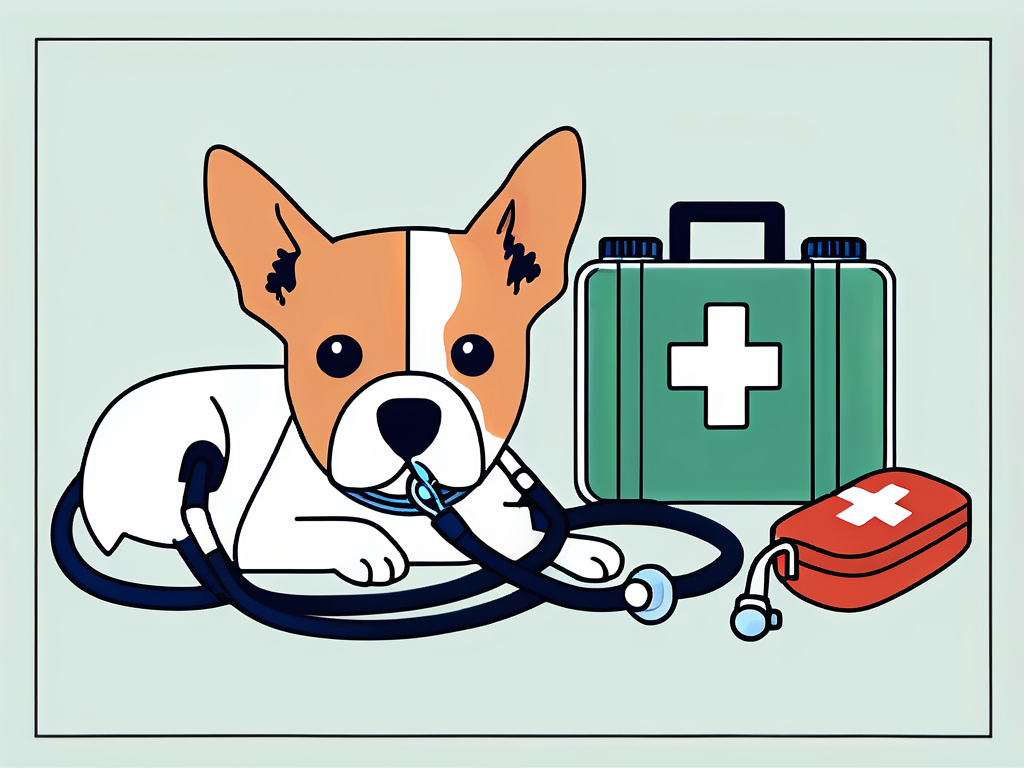
    Choosing the right pet insurance policy is a crucial decision for pet owners. In addition to the coverage limits, deductibles, and premiums, there are other important factors to keep in mind to ensure your furry friend receives the best care possible.
    Section Image

    Coverage Limits

    When selecting a pet insurance policy, it’s important to review the coverage limits. Some policies have annual or lifetime limits on how much they will reimburse for treatments. Consider your pet’s breed, age, and any pre-existing conditions when evaluating coverage limits. It’s essential to choose a policy that provides adequate coverage for your pet’s specific needs, including potential hereditary conditions or chronic illnesses.

    Deductibles and Premiums

    Take into account the deductibles and premiums associated with the policy. A deductible is the amount you must pay out of pocket before your insurance coverage kicks in. Premiums are the regular payments you make to maintain your coverage. Compare different policies to find the right balance between deductibles and premiums for your budget. Keep in mind that while a higher deductible may result in lower premiums, you should ensure that you can afford the out-of-pocket costs in case of an emergency.

    Exclusions and Waiting Periods

    Exclusions refer to any specific conditions or circumstances that are not covered by the insurance policy. Be sure to carefully review the policy’s exclusions to ensure your pet’s specific needs are covered. Some common exclusions include pre-existing conditions, elective procedures, and behavioral training.

    Waiting periods are the time you must wait after purchasing the policy before you can file a claim. Different policies have different waiting periods, so consider this when deciding which insurance provider to choose for your pet. It’s important to be aware of the waiting periods for both accidents and illnesses, as coverage may not be immediate upon purchasing the policy.

    How to Purchase Pet Insurance

    Comparing Different Providers

    Start by researching and comparing different pet insurance providers. Look for reputable companies with positive reviews. Each provider may offer different coverage options and plans, so take the time to understand what each one offers.

    When comparing providers, consider factors such as coverage limits, reimbursement rates, deductible options, and customer service reviews. Some companies may have a network of preferred veterinarians, while others offer more flexibility in choosing healthcare providers for your pet.

    Understanding the Policy Terms

    Before making a final decision, thoroughly read and understand the policy terms and conditions. Pay attention to any specific coverage details, waiting periods, exclusions, and restrictions. Ensure that the policy aligns with your pet’s specific needs and your budget.

    Take note of any wellness coverage, hereditary or congenital condition coverage, and whether the policy includes coverage for prescription medications, surgeries, and chronic conditions. Understanding these details will help you make an informed decision that best suits your pet’s healthcare needs.

    Making the Purchase

    Once you have compared providers and familiarized yourself with the policy terms, it’s time to make the purchase. Contact the selected provider or visit their website to start the application process. Provide accurate information about your pet to ensure the policy is tailored to their needs.

    Consider reaching out to the provider’s customer service team if you have any questions or need clarification on any aspect of the policy. They can guide you through the application process and ensure you have a comprehensive understanding of the coverage you are purchasing.

    After purchasing the policy, keep all relevant documents in a safe place for easy access. Review your policy periodically to ensure it still meets your pet’s needs as they age.

    Pet insurance can be an invaluable investment in your pet’s well-being. By understanding the basics, exploring different types of coverage, considering important factors, and making an informed decision, you can provide your furry companion with the best possible care, even in unexpected situations.

  • 8. Flood Insurance

    8. Flood Insurance

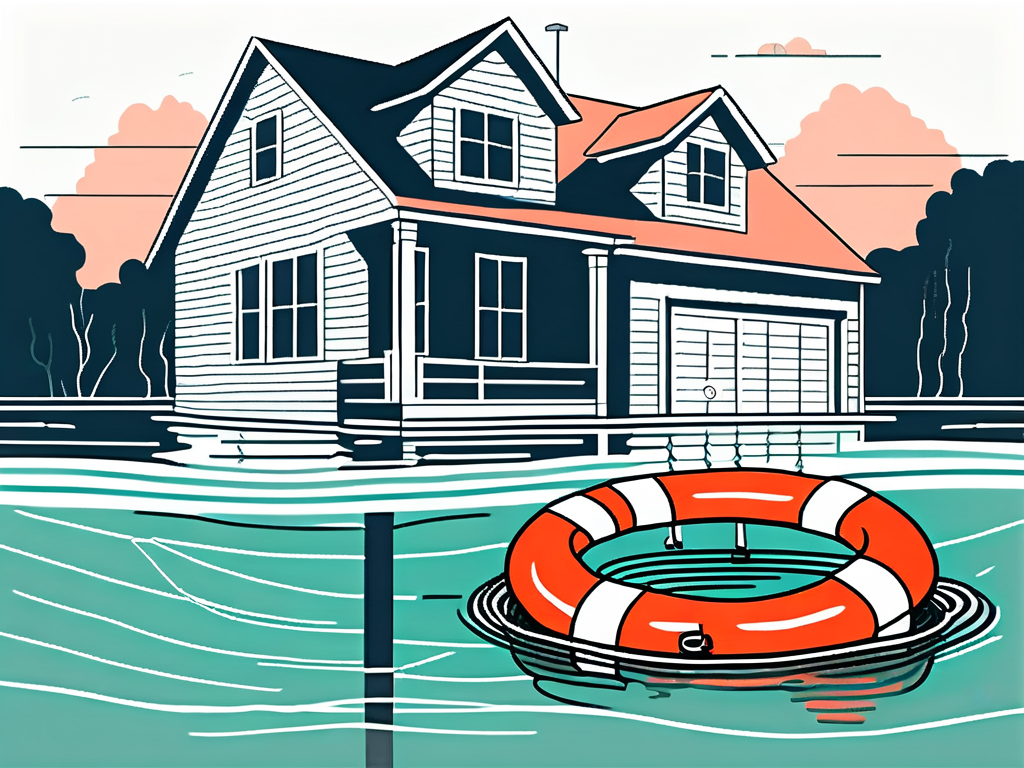
    Floods can cause extensive damage to homes and properties, leading to significant financial losses for homeowners. That’s where flood insurance comes in. Understanding the basics of flood insurance is crucial for homeowners who want to protect their investments and minimize the financial impact of a flood. In this article, we will explore the different types of flood insurance, key features of a flood insurance policy, the cost of flood insurance, and how to purchase it.

    Understanding the Basics of Flood Insurance

    Flood insurance is a type of insurance coverage that protects homeowners and renters from financial losses due to flooding. It is designed to provide coverage for damage caused by the rising of water from overflowing lakes, rivers, or other bodies of water. Flood insurance policies are separate from homeowners insurance policies and are essential for homes located in flood-prone areas.

    Section Image

    When it comes to flood insurance, it’s crucial to understand the different types of coverage available. Dwelling coverage typically includes protection for the structure of the home, such as the foundation, walls, flooring, and built-in appliances. Contents coverage, on the other hand, helps reimburse homeowners for damage to personal belongings like furniture, clothing, and electronics. Additionally, there is also coverage for temporary living expenses if your home becomes uninhabitable due to flooding.

    What is Flood Insurance?

    Flood insurance is a specialized insurance policy that covers damages and losses resulting from flooding. It typically covers both the structure of the home and its contents. This includes damage to the foundation, walls, flooring, electrical systems, appliances, furniture, and personal belongings.

    It’s important to note that standard homeowners insurance policies do not cover flood damage, making it necessary for homeowners in flood-prone areas to secure a separate flood insurance policy. Without this additional coverage, individuals may face significant financial hardship in the event of a flood.

    Why is Flood Insurance Important?

    Floods can occur anywhere, regardless of whether a home is located in a high-risk flood zone or not. In fact, more than 20% of flood insurance claims come from areas considered to be at low or moderate risk for flooding. Without proper flood insurance coverage, homeowners may be left to bear the financial burden of repairing or rebuilding their homes.

    Furthermore, it’s essential to understand that federal disaster assistance is typically only available if a federal disaster is declared, and this assistance is usually in the form of a loan that must be repaid with interest. Having flood insurance ensures that homeowners have the necessary financial protection without relying on uncertain government aid in times of crisis.

    The Different Types of Flood Insurance

    There are two main types of flood insurance: Private Flood Insurance and the National Flood Insurance Program (NFIP).

    Section Image

    When it comes to protecting your property from the devastating effects of flooding, understanding the different types of flood insurance available is crucial. While both Private Flood Insurance and the NFIP aim to provide financial assistance in the event of a flood, there are key differences between the two that homeowners should consider.

    Private Flood Insurance

    Private flood insurance is offered by private insurance companies. It provides coverage similar to NFIP policies but may offer additional benefits or coverage options. Private flood insurance can be a good alternative for homeowners who prefer more extensive coverage or live in areas where NFIP coverage limits are insufficient.

    One of the advantages of private flood insurance is the potential for more tailored coverage options. Private insurers may offer higher coverage limits, lower deductibles, and additional benefits not available through the NFIP. This flexibility allows homeowners to customize their policies to better suit their individual needs and the specific flood risks associated with their property.

    National Flood Insurance Program (NFIP)

    The NFIP is a federal program administered by the Federal Emergency Management Agency (FEMA). It offers flood insurance coverage to homeowners, renters, and businesses in participating communities. NFIP policies provide coverage for both the structure and contents of a home, up to certain limits.

    One of the key features of the NFIP is its community-based approach to floodplain management. Participating communities must adhere to certain floodplain management regulations set by FEMA in order to qualify for NFIP coverage. This proactive approach aims to reduce the risk of flooding and minimize the impact of floods on communities by implementing measures such as building codes, land use regulations, and floodplain mapping.

    Key Features of a Flood Insurance Policy

    A flood insurance policy comes with specific features and coverage options that every homeowner should understand. Understanding the key features of a flood insurance policy can help homeowners protect their property and belongings in the event of a flood.

    One important feature of a flood insurance policy is that it covers the structure of the home, including the foundation, walls, electrical systems, plumbing, and HVAC systems. This coverage can help homeowners repair or rebuild their homes after a flood, reducing the financial burden of such a disaster.

    What Does Flood Insurance Cover?

    A typical flood insurance policy covers the structure of the home, including the foundation, walls, electrical systems, plumbing, and HVAC systems. It also covers personal property, such as furniture, appliances, and clothing. Additionally, it may cover debris removal and the cost of temporarily relocating during repairs.

    Another important aspect of flood insurance coverage is that it can help homeowners replace or repair personal property that is damaged or destroyed in a flood. This can include items such as furniture, appliances, clothing, and electronics, providing financial assistance to homeowners during a challenging time.

    What Doesn’t Flood Insurance Cover?

    It’s essential to note that flood insurance does not cover certain types of damage or losses. These include damage caused by mold or mildew that could have been prevented, currency, precious metals, and valuable papers, such as stock certificates. It also does not cover damage to recreational vehicles or losses caused by earth movement, such as landslides or sinkholes.

    While flood insurance provides valuable coverage for many types of flood-related damage, it’s important for homeowners to be aware of its limitations. Understanding what flood insurance does and does not cover can help homeowners make informed decisions about their insurance needs and take steps to protect their homes and belongings in the event of a flood.

    The Cost of Flood Insurance

    The cost of flood insurance can vary depending on several factors, including the location of the property and the level of flood risk. Factors that influence the cost of flood insurance include the flood zone classification, elevation of the property, the deductible amount, and the amount of coverage required.

    Section Image

    Understanding the nuances of flood insurance pricing can help homeowners make informed decisions when protecting their properties. Flood zone classification plays a significant role in determining insurance costs, with high-risk zones typically commanding higher premiums due to the increased likelihood of flooding. Conversely, properties in low or moderate-risk areas may benefit from more affordable insurance rates, providing some relief to homeowners.

    Factors Influencing the Cost

    High-risk flood zones typically have higher premiums compared to areas at low or moderate risk. The elevation of the property is also a critical factor, as homes situated at a higher elevation may have lower premiums. Additionally, the deductible amount chosen by the homeowner can affect the annual premium.

    Another crucial factor in determining flood insurance costs is the amount of coverage required by the homeowner. While it may be tempting to opt for minimal coverage to save on premiums, inadequate coverage could leave homeowners vulnerable in the event of a flood. Balancing the need for comprehensive coverage with budgetary constraints is essential for homeowners seeking to protect their properties.

    How to Lower Your Flood Insurance Premium

    There are several ways homeowners can lower their flood insurance premiums. One way is to elevate the home above the base flood level. This can be achieved by installing flood vents, raising the home’s foundation, or adding barriers to prevent water intrusion. Additionally, homeowners can choose a higher deductible or opt for a policy with less coverage than the maximum available.

    Furthermore, investing in flood mitigation measures can not only reduce the risk of damage to the property but also potentially lower insurance premiums. Simple steps such as ensuring proper drainage around the property, maintaining gutters and downspouts, and landscaping with flood-resistant plants can all contribute to a safer and more cost-effective insurance policy.

    How to Purchase Flood Insurance

    Homeowners can purchase flood insurance through an insurance agent or directly from the National Flood Insurance Program (NFIP).

    Buying Through an Insurance Agent

    Working with an insurance agent can be beneficial as they can guide homeowners through the process of selecting the right coverage and provide assistance with filing a claim if needed. Agents can also help homeowners understand various policy features and compare quotes from different insurance companies.

    Purchasing from the NFIP

    Homeowners can also purchase flood insurance directly from the NFIP. The program offers standardized policies, and premiums are set by the federal government. Homeowners can visit the NFIP website or contact their local insurance agent to inquire about purchasing flood insurance.

    In conclusion, flood insurance is essential for homeowners looking to protect their homes and belongings from the devastating effects of flooding. By understanding the basics of flood insurance, homeowners can make informed decisions about the different types of coverage available, key policy features, and the cost of premiums. Whether purchasing through an insurance agent or directly from the NFIP, obtaining flood insurance provides peace of mind and financial protection in the face of a potential flood event.

  • 20. Mobile Home Insurance

    20. Mobile Home Insurance

    Mobile home insurance is an essential coverage option for homeowners who live in mobile homes. This type of insurance provides financial protection in the event of damage or loss to the mobile home and its contents. Understanding mobile home insurance is crucial for homeowners to make informed decisions about their coverage needs and ensure they are adequately protected.

    Understanding Mobile Home Insurance

    Definition of Mobile Home Insurance

    Mobile home insurance, also known as manufactured home insurance, is a specific type of insurance designed to protect mobile homes and their owners. It provides coverage for a variety of risks, including damage to the mobile home, loss of personal belongings, and liability for injuries that occur on the property.

    Mobile homes are a popular housing option for many individuals and families due to their affordability and flexibility. However, being a unique form of housing, mobile homes require specialized insurance coverage to address their specific needs. Mobile home insurance not only protects the structure of the home but also provides coverage for personal property inside the home, offering peace of mind to homeowners.

    Importance of Mobile Home Insurance

    Having mobile home insurance is essential for mobile homeowners. Unlike traditional homeowners insurance, mobile home insurance provides coverage specifically tailored to the unique risks faced by mobile homeowners. Without proper insurance coverage, mobile homeowners may face significant financial burdens in the event of unexpected events such as natural disasters, fires, or theft.

    Mobile home insurance policies can vary in coverage options and cost, so it’s important for mobile homeowners to carefully review and select a policy that best suits their needs. Some policies may offer additional coverage for detached structures on the property, such as sheds or garages, while others may include protection against liability claims from injuries that occur on the property. By investing in mobile home insurance, homeowners can protect their investment and ensure they are financially safeguarded against unforeseen circumstances.

    Types of Mobile Home Insurance

    Physical Damage Coverage

    Physical damage coverage is a fundamental component of mobile home insurance. It protects the structure of the mobile home against various perils, including fire, lightning, windstorms, hail, and falling objects. This coverage helps cover the costs of repairing or rebuilding the mobile home in the event of damage.

    Section Image

    Furthermore, physical damage coverage can also extend to other structures on the property, such as sheds, garages, or decks that are attached to the mobile home. This additional protection ensures that all aspects of the homeowner’s property are safeguarded against unforeseen events, providing peace of mind and financial security.

    Personal Liability Coverage

    Personal liability coverage protects mobile homeowners from lawsuits and legal claims if someone is injured on their property. It covers medical expenses, legal fees, and damages awarded to the injured party. This coverage is crucial to protect homeowners’ assets and provide financial security in case of a liability claim.

    Moreover, personal liability coverage can also offer protection in situations where the homeowner is found responsible for damage to someone else’s property. Whether it’s a neighbor’s fence that was accidentally damaged by a fallen tree from the mobile home or a visitor’s vehicle that was hit by a wayward ball, this coverage can help mitigate the financial repercussions of such incidents.

    Trip Collision Coverage

    Trip collision coverage is an optional coverage that protects mobile homes while being transported or moved from one location to another. It covers physical damage to the mobile home that may occur during transportation, such as accidents or collisions. This coverage is particularly important for homeowners who frequently move their mobile homes.

    Additionally, trip collision coverage can also include coverage for expenses related to temporary living arrangements if the mobile home becomes uninhabitable during transportation. This added benefit ensures that homeowners have a place to stay and the necessary support to navigate unexpected disruptions during the moving process, offering a comprehensive safety net for their mobile home journey.

    Factors Affecting Mobile Home Insurance Cost

    Age and Condition of the Mobile Home

    The age and condition of the mobile home significantly influence the cost of insurance. Older homes or homes in poor condition may be more susceptible to damage and therefore can be more expensive to insure. In contrast, newer homes or well-maintained homes may be eligible for lower insurance premiums.

    Section Image

    It’s important to note that the materials used in the construction of the mobile home can also play a role in determining insurance costs. For example, homes made of fire-resistant materials may qualify for discounts on insurance premiums due to their reduced risk of fire damage. Regular maintenance and upkeep of the home can not only improve its condition but also potentially lower insurance expenses over time.

    Location and Risk Factors

    The location of the mobile home and the surrounding area also affect the insurance cost. Certain regions prone to natural disasters such as hurricanes or wildfires may have higher insurance rates. Additionally, the proximity to fire stations, flood zones, and crime rates in the area can impact the insurance premiums.

    Furthermore, the distance of the mobile home from the coast or a body of water can influence insurance costs. Homes located in coastal areas may face higher premiums due to increased risks of wind and flood damage. Conversely, homes situated in inland areas may have lower insurance rates, as they are less exposed to coastal hazards.

    Coverage Amount and Deductibles

    The coverage amount and deductibles selected by the mobile homeowner will also impact the insurance cost. Higher coverage limits and lower deductibles generally result in higher insurance premiums. It is important for homeowners to assess their coverage needs and budget when deciding on coverage amounts and deductibles.

    Moreover, homeowners should consider the specific perils they want coverage for when selecting their policy. For example, additional coverage for personal belongings or liability protection may increase premiums but provide valuable financial protection in case of unexpected events. Understanding the various coverage options available and customizing a policy to fit individual needs can help homeowners strike a balance between adequate protection and affordable premiums.

    How to Choose the Right Mobile Home Insurance

    Assessing Your Coverage Needs

    Before purchasing mobile home insurance, homeowners should assess their coverage needs carefully. This includes considering the value of the mobile home, personal belongings, and potential risks in the area. Evaluating these factors will help determine the appropriate coverage amounts and types of insurance required.

    Section Image

    Comparing Insurance Providers

    It is important to compare different insurance providers to find the right mobile home insurance policy. Homeowners should consider factors such as reputation, financial stability, coverage options, and customer reviews. Comparing quotes from multiple providers can help homeowners find the best coverage at a competitive price.

    Understanding Policy Terms and Conditions

    It is crucial for homeowners to carefully read and understand the terms and conditions of the mobile home insurance policy before purchase. This includes reviewing coverage limits, exclusions, deductibles, and any additional endorsements. Understanding the policy details will ensure homeowners are aware of what is covered and what is not.

    Furthermore, homeowners should also take into consideration the specific risks associated with their geographical location. For example, if the mobile home is located in an area prone to natural disasters such as hurricanes or earthquakes, it is important to ensure that the insurance policy provides adequate coverage for such events. Additionally, homeowners should also consider any unique features or additions to their mobile home, such as a deck or a detached garage, and ensure that these are properly covered by the insurance policy.

    Another important aspect to consider when choosing mobile home insurance is the level of customer service provided by the insurance provider. Homeowners should look for insurers that have a reputation for excellent customer service and a responsive claims process. This can make a significant difference in the event of a claim, ensuring that homeowners receive the support and assistance they need during a difficult time.

    In conclusion, mobile home insurance is a vital protection for mobile homeowners. Understanding the various types of coverage available, as well as the factors that influence insurance cost, is crucial in selecting the right insurance policy. By assessing coverage needs, comparing insurance providers, and thoroughly understanding policy terms and conditions, homeowners can ensure they have the appropriate coverage to protect their mobile homes and personal belongings.

  • 16. Motorcycle Insurance

    16. Motorcycle Insurance

    Motorcycle insurance is an essential aspect of owning a motorcycle. It provides financial protection in the event of an accident, theft, or other unforeseen circumstances. Understanding the basics of motorcycle insurance is crucial for every motorcycle owner to make informed decisions about their coverage options. In this article, we will delve into the intricacies of motorcycle insurance, the different types of coverage available, and factors that affect insurance rates. We will also provide tips on how to lower your motorcycle insurance premium without compromising on coverage.

    Understanding the Basics of Motorcycle Insurance

    What is Motorcycle Insurance?

    Motorcycle insurance is a form of insurance coverage specifically designed for motorcycles. It provides financial protection to motorcycle owners in the event of accidents, theft, or damage. Motorcycle insurance typically covers liability, collision, and comprehensive coverage, among other options.

    Section Image

    Liability coverage helps pay for the other party’s expenses if you are at fault in an accident, including their medical bills and property damage. Collision coverage helps cover the cost of repairing or replacing your motorcycle if it is damaged in a crash. Comprehensive coverage protects your motorcycle from non-collision incidents such as theft, vandalism, or natural disasters.

    Why Do You Need Motorcycle Insurance?

    Having motorcycle insurance is not just a legal requirement in many states; it is also crucial for your financial security. Without insurance, you could be held liable for any damages or injuries caused by your motorcycle in an accident. Additionally, motorcycle insurance provides coverage for theft, damage, and other unexpected incidents, ensuring that you are financially protected.

    Motorcycle insurance also offers optional coverages such as uninsured/underinsured motorist coverage, which protects you if you are in an accident with a driver who has insufficient insurance. Roadside assistance coverage is another valuable add-on that can help you in case of a breakdown, flat tire, or other roadside emergencies. By having the right motorcycle insurance policy, you can ride with peace of mind knowing that you are protected in various situations.
    Types of Motorcycle Insurance Coverage

    When it comes to protecting your beloved motorcycle, having the right insurance coverage is essential. Understanding the different types of coverage available can help you make an informed decision that suits your needs. In addition to the basic liability insurance, there are several other options that provide comprehensive protection for you and your bike.

    Liability Insurance

    Liability insurance is the most basic form of motorcycle insurance coverage. It covers injuries and damages to others in an accident that you are held responsible for. This type of coverage typically includes bodily injury liability and property damage liability. It is important to select liability coverage that is sufficient to protect your assets in case of a lawsuit.

    Collision Coverage

    While liability insurance takes care of damages to others, collision coverage focuses on your own motorcycle. It pays for the repairs or replacement of your bike in the event of a collision with another vehicle or object. Whether it’s a minor fender bender or a more serious accident, collision coverage ensures that you won’t be left with a hefty repair bill. This coverage is especially beneficial if you have a newer or more valuable motorcycle.

    Comprehensive Coverage

    When it comes to protecting your motorcycle from non-collision events, comprehensive coverage is the way to go. It provides protection for damages caused by theft, vandalism, fire, or natural disasters. Imagine waking up one morning to find your motorcycle missing, or returning to a parking lot only to discover it has been vandalized. With comprehensive coverage, you can have peace of mind knowing that you are financially protected. This coverage also includes protection for damages caused by hitting an animal, which can happen unexpectedly and result in costly repairs. If you live in an area prone to theft or natural disasters, comprehensive coverage is particularly valuable.

    Uninsured/Underinsured Motorist Coverage

    Even if you have the best insurance coverage, not every driver on the road does. Uninsured/Underinsured Motorist (UM/UIM) coverage protects you if you are involved in an accident with a driver who lacks insurance or has insufficient coverage to pay for damages. It ensures that you are still financially protected even if the other driver is at fault and unable to compensate you adequately. This coverage is a safety net that can make a significant difference in the event of an accident.

    Now that you have a better understanding of the different types of motorcycle insurance coverage available, you can make an informed decision that suits your needs and provides you with the peace of mind you deserve. Remember, protecting your motorcycle is not just about following the rules of the road, but also having the right insurance coverage in place.

    Factors Affecting Motorcycle Insurance Rates

    Age and Riding Experience

    Younger riders and those with less riding experience typically pay higher insurance premiums. Insurance companies consider these factors as indicators of increased risk on the road. However, taking approved motorcycle safety courses and maintaining a clean riding record can help lower rates even for younger or less experienced riders.

    Section Image

    Moreover, age and experience are not the only factors considered when determining insurance rates. Some insurance companies may also take into account the type of motorcycle being insured, the rider’s driving history, and even the frequency of motorcycle use. By providing a comprehensive picture of your riding habits and safety measures, you can potentially negotiate for better insurance rates.

    Location and Storage

    Where you live and store your motorcycle can also impact your insurance rates. Areas with higher rates of theft or accidents generally lead to higher insurance premiums. If you live in an area with a lower risk profile, such as a rural area, your insurance rates may be lower.

    Additionally, the method of storing your motorcycle can play a role in determining insurance costs. Keeping your bike in a secure garage or storage unit, equipped with anti-theft devices, can result in lower premiums. Insurance companies often offer discounts for proactive measures taken to protect your motorcycle from potential risks, showcasing the importance of proper storage practices.

    Motorcycle Make and Model

    The type and value of your motorcycle can also affect insurance rates. More expensive motorcycles, particularly high-performance models, tend to have higher insurance premiums. On the other hand, older or less powerful motorcycles may have lower insurance rates. It is essential to consider these factors when purchasing a motorcycle.

    Furthermore, modifications made to your motorcycle, such as adding aftermarket parts or customizations, can impact insurance rates. These alterations may increase the value of the bike or change its performance characteristics, leading to adjustments in insurance premiums. When customizing your motorcycle, it is advisable to inform your insurance provider to ensure that your policy accurately reflects the features of your bike.

    How to Lower Your Motorcycle Insurance Premium

    Safety Courses and Certifications

    Completing accredited motorcycle safety courses can demonstrate your commitment to safety and may qualify you for insurance discounts. These courses teach valuable riding skills and safety techniques that can decrease the risk of accidents and subsequent insurance claims. Check with your insurance provider to see if they offer discounts for completing these courses.

    Section Image

    Additionally, some insurance companies may offer discounts for specific certifications such as the Motorcycle Safety Foundation (MSF) Basic Rider Course. This course not only provides comprehensive training on motorcycle operation and safety, but it also offers the opportunity to earn a certification that can further enhance your eligibility for insurance discounts.

    Maintaining a Clean Driving Record

    Having a clean driving record with no accidents or traffic violations can significantly impact your insurance rates. Insurance companies reward safe, responsible riders with lower premiums. Therefore, it is important to obey traffic laws, practice defensive driving, and avoid speeding or reckless behavior on the road.

    Furthermore, some insurance providers may offer additional discounts for riders who have maintained a clean driving record for an extended period of time. This demonstrates your consistent commitment to safe riding and can result in even greater savings on your insurance premium.

    Choosing a Less Expensive Bike

    The make and model of your motorcycle can have a significant impact on your insurance rates. Opting for a less expensive bike, especially one with a lower risk profile, can help lower your insurance premiums. Consider the cost of insurance before purchasing a motorcycle to ensure it fits within your budget.

    Moreover, certain motorcycles may be more prone to theft or have higher repair costs, which can result in higher insurance premiums. By choosing a motorcycle that is less likely to be targeted by thieves or has lower repair costs, you can further reduce your insurance expenses.

    In conclusion, motorcycle insurance is an essential aspect of owning a motorcycle. Understanding the basics of motorcycle insurance, the different coverage options available, and the factors that influence insurance rates can help you make informed decisions about your insurance needs. By taking proactive steps such as completing safety courses, maintaining a clean driving record, and choosing an appropriate motorcycle, you can lower your insurance premium without compromising on coverage. Remember to research different insurance providers and compare quotes to find the best motorcycle insurance policy for your needs and budget.

    Furthermore, it is worth noting that some insurance companies may offer additional discounts based on factors such as your age, riding experience, and the number of miles you typically ride each year. Taking the time to discuss these details with your insurance provider can help you uncover potential savings opportunities that you may not have been aware of.

  • 10. Umbrella Insurance

    10. Umbrella Insurance

    Umbrella insurance is a type of liability insurance that provides additional coverage above and beyond what is offered by your primary insurance policies. It acts as a safety net, protecting you and your assets against potentially devastating lawsuits. Understanding the basics of umbrella insurance is essential for every individual and business owner.

    Understanding the Basics of Umbrella Insurance

    Definition and Purpose of Umbrella Insurance

    Umbrella insurance is an extra layer of liability protection that goes beyond the limits of your homeowners, auto, or other primary insurance policies. It is designed to kick in when your primary coverage is exhausted, providing you with additional financial security. Its purpose is to safeguard your assets, such as your home, savings, and investments, in case you are sued for damages or injuries caused to someone else.

    Furthermore, umbrella insurance not only provides coverage for personal liability issues but can also extend to cover legal fees, false arrest, libel, and slander. This comprehensive protection ensures that you are safeguarded against a wide range of potential risks and liabilities, offering you peace of mind in various situations.
    The Importance of Umbrella Insurance

    Accidents happen unexpectedly, and the damages awarded in lawsuits can be substantial. If you are found liable for damages that exceed the limits of your primary insurance policies, you may be responsible for paying the remaining amount out of pocket. This can put your assets at risk, potentially leading to financial ruin. Umbrella insurance mitigates this risk by providing an extra layer of liability protection, giving you peace of mind knowing you have added security.

    Moreover, umbrella insurance can also cover legal defense costs, which can quickly add up in the event of a lawsuit. Without umbrella insurance, you may have to bear these expenses on your own, draining your finances significantly. By investing in umbrella insurance, you not only protect your assets but also ensure that you have the necessary resources to defend yourself in legal proceedings, without worrying about the financial implications.

    Key Features of Umbrella Insurance

    Coverage and Limitations

    Umbrella insurance is a valuable addition to your insurance portfolio, offering an extra layer of protection against unforeseen circumstances. It typically covers a broad range of liability claims, including personal injury, property damage, and libel or slander. By extending coverage beyond what is provided by your primary policies, umbrella insurance acts as a safety net, starting at $1 million and going up to $10 million or more. This additional coverage can be crucial in safeguarding your assets and future financial security. However, it is important to note that umbrella insurance does not cover intentional acts or liabilities related to business activities. To ensure you are adequately protected, it is crucial to review your policy carefully to understand its specific coverage and limitations.

    Section Image

    Cost of Umbrella Insurance

    When considering umbrella insurance, understanding the cost implications is essential. The cost of umbrella insurance depends on various factors, such as your personal circumstances, the coverage amount you choose, and your insurance provider. Despite the comprehensive coverage it offers, umbrella insurance is relatively affordable on average. The premium may range from a few hundred dollars to a few thousand dollars per year, making it a cost-effective way to enhance your overall liability protection. To make an informed decision and secure the best value for your money, it is advisable to compare quotes from different insurance providers. By exploring your options, you can find the most suitable and cost-effective umbrella insurance policy tailored to your needs.

    Who Needs Umbrella Insurance?

    Umbrella Insurance for Individuals

    Umbrella insurance is highly recommended for individuals with significant assets or a high net worth. If you own a valuable home, expensive vehicles, or have substantial savings and investments, you are at a higher risk of being targeted in a lawsuit. Umbrella insurance provides an extra layer of protection and helps shield your assets from potential legal actions.

    Section Image

    Moreover, individuals who engage in high-risk activities such as owning a swimming pool, hosting frequent social gatherings, or having a teenage driver in the household may find umbrella insurance particularly beneficial. These situations can increase the likelihood of accidents occurring on your property or involving your vehicles, making you more susceptible to lawsuits seeking substantial damages.

    Umbrella Insurance for Businesses

    Businesses, regardless of their size or industry, can also benefit from umbrella insurance. It provides coverage beyond the limits of general liability insurance and professional liability insurance, commonly known as errors and omissions insurance. This additional layer of protection is especially crucial for businesses facing a higher risk of lawsuits or dealing with large-scale operations.

    Furthermore, businesses that operate in litigious industries such as healthcare, construction, or finance can greatly benefit from umbrella insurance. These sectors often face complex legal challenges and substantial financial risks, making it essential to have comprehensive coverage that can safeguard the business assets and mitigate potential liabilities.

    How to Choose the Right Umbrella Insurance

    Umbrella insurance is a crucial component of your overall risk management strategy, providing an extra layer of protection beyond your standard insurance policies. When selecting umbrella insurance, it is essential to consider several factors to ensure you have adequate coverage in place.

    Start by evaluating your assets, potential risks, and the limits of your primary insurance policies. Understanding your financial situation and the value of your assets will help you determine the amount of coverage you need. It’s important to remember that your umbrella policy should exceed your total net worth to safeguard your assets in case of a lawsuit or significant claim.

    Additionally, research the reputation and financial strength of insurance providers to ensure they can meet their commitments in case of a claim. Look for insurers with a history of financial stability and positive customer feedback to have peace of mind knowing that your claims will be handled efficiently.

    Comparing Different Insurance Providers

    When exploring your options for umbrella insurance, it’s crucial to compare different insurance providers to find the best fit for your needs. Obtaining quotes from multiple insurers will give you a comprehensive view of the coverage options available and help you make an informed decision.

    While price is a significant factor, it’s essential to look beyond the cost and consider the coverage limits, deductibles, and any additional endorsements or features offered by each provider. Reading reviews and seeking recommendations from trusted sources can also provide valuable insights into the level of customer service and claims handling of different insurers.

    Remember that choosing the right insurance provider is just as important as selecting the right coverage. By conducting thorough research and comparing your options, you can secure umbrella insurance that offers the protection you need for your assets and peace of mind for the future.

    The Process of Claiming Umbrella Insurance

    When to File a Claim

    In the unfortunate event that you need to claim umbrella insurance, it is crucial to understand the circumstances under which you should file a claim. Generally, you should file a claim when an incident occurs that could potentially result in a liability claim. This includes accidents causing bodily injury, property damage, or lawsuits related to defamation or invasion of privacy. Contact your insurance provider immediately to report the incident and initiate the claims process.

    Section Image

    It’s important to note that umbrella insurance is designed to provide additional liability coverage beyond what your standard policies offer. This extra protection can be invaluable in situations where the damages exceed the limits of your primary insurance policies. By filing a claim in a timely manner, you can access the financial support needed to handle legal expenses, medical bills, or property repairs resulting from covered incidents.

    Steps in the Claim Process

    When you file a claim, your insurance provider will guide you through the steps involved. This typically includes gathering relevant documents, such as police reports or medical records, to support your claim. The insurance company will then evaluate the claim, negotiate with other parties involved, and settle the claim based on the policy’s terms and conditions. Throughout the process, it is essential to cooperate fully with your insurance provider to ensure a smooth and fair resolution.

    Furthermore, it’s worth mentioning that the claims process may vary depending on the complexity of the incident and the specific details of your policy. For more straightforward cases, the resolution could be swift and straightforward. However, in more intricate situations involving multiple parties or extensive damages, the process may take longer as all aspects are carefully reviewed and assessed to reach a fair settlement.

    In Conclusion

    Umbrella insurance offers an additional layer of protection that can safeguard your assets and provide financial security when your primary insurance coverage falls short. Understanding how umbrella insurance works, knowing who needs it, and choosing the right coverage are essential steps in protecting your assets from potential lawsuits. By educating yourself about umbrella insurance and exploring your options, you can make an informed decision that protects your financial future.

  • 45. Critical Illness Insurance

    45. Critical Illness Insurance

    Critical illness insurance is a type of insurance policy that provides financial protection in the event of a serious illness. It offers a lump sum payment to the policyholder if they are diagnosed with a specified critical illness covered by the policy. This article will provide a comprehensive guide to understanding critical illness insurance, the different types available, the benefits it offers, how to choose the right policy, and the factors that influence the cost of this insurance.

    Understanding Critical Illness Insurance

    When it comes to protecting ourselves and our loved ones from unexpected health issues, having a thorough understanding of critical illness insurance is crucial. This type of insurance is designed to provide financial support in case of a diagnosis of a critical illness. Whether it’s cancer, heart disease, stroke, or any other major illness, critical illness insurance provides a lump sum payment that can help cover medical expenses, replace lost income, or help maintain financial stability during a difficult time.

    Definition and Importance

    Critical illness insurance is a policy that pays out a tax-free lump sum if the policyholder is diagnosed with a critical illness listed in the policy. This lump sum payment can be used however the policyholder wishes, providing them with financial security during a challenging period. The importance of critical illness insurance cannot be overstated, as it offers peace of mind and protects individuals and their families from the potential financial hardships that can arise from a serious illness.

    Key Features of Critical Illness Insurance

    Understanding the key features of critical illness insurance can help individuals make informed decisions when selecting a policy. Firstly, critical illness insurance covers a wide range of illnesses, including but not limited to cancer, heart attack, stroke, kidney failure, and major organ transplants. This comprehensive coverage ensures that individuals are protected against the most common critical illnesses that can have a significant impact on their lives.

    Secondly, the payout from the policy is usually a lump sum, which can be used according to the policyholder’s needs. This flexibility allows individuals to allocate the funds in a way that best suits their situation. Whether it’s covering medical expenses, seeking alternative treatments, or taking time off work to focus on recovery, the lump sum payment provides the necessary financial support to navigate through the challenges of a critical illness.

    Lastly, critical illness insurance typically has a waiting period before a claim can be made, usually ranging from 30 to 90 days. This waiting period ensures that the policy covers unexpected illnesses rather than pre-existing conditions. It serves as a safeguard to prevent individuals from taking out a policy after being diagnosed with a critical illness, which would defeat the purpose of the insurance. By having this waiting period, critical illness insurance ensures that individuals are protected against unforeseen health issues that may arise in the future.

    Overall, critical illness insurance offers individuals and their families a sense of security and financial stability during challenging times. It provides a safety net that can help alleviate the burden of medical expenses and loss of income, allowing individuals to focus on their recovery without the added stress of financial worries. By understanding the definition and key features of critical illness insurance, individuals can make informed decisions and choose a policy that best suits their needs, ensuring that they are prepared for any unexpected health issues that may come their way.

    Types of Critical Illness Insurance

    There are different types of critical illness insurance policies available, each offering varying levels of coverage and benefits. Let’s explore the two main types:

    Standard Critical Illness Insurance

    A standard critical illness insurance policy covers a defined list of critical illnesses. This list is predetermined by the insurance provider and serves as the basis for determining if a claim can be made. Although the coverage may be limited to specific illnesses, standard critical illness insurance can still provide significant financial support during challenging times.

    Standard critical illness insurance policies typically include coverage for major illnesses such as heart attack, stroke, cancer, and organ transplants. These policies are designed to provide a lump sum payment upon diagnosis of a covered illness, offering financial assistance to policyholders during their recovery period.

    Comprehensive Critical Illness Insurance

    Comprehensive critical illness insurance offers a broader range of coverage compared to standard policies. In addition to the listed critical illnesses, comprehensive policies often cover additional illnesses or offer partial payouts for less severe conditions. This type of policy provides more extensive protection and can be a suitable option for those seeking comprehensive coverage.

    Comprehensive critical illness insurance policies may include coverage for a wider range of conditions, such as Alzheimer’s disease, Parkinson’s disease, and multiple sclerosis. These policies can also offer benefits like coverage for surgeries, hospital stays, and rehabilitation expenses related to the covered illnesses, providing a more holistic approach to financial protection in case of a health crisis.

    Benefits of Critical Illness Insurance

    Critical illness insurance offers several benefits that make it a valuable investment:

    Financial Security

    A critical illness diagnosis can be financially devastating. Medical treatment, rehabilitation, and other associated expenses can quickly add up and put a strain on personal finances. Critical illness insurance provides a lump sum payment that can be used to cover these costs, ensuring financial stability and allowing individuals to focus on their recovery without additional stress.

    Coverage for a Range of Illnesses

    One of the key benefits of critical illness insurance is the coverage it provides for various illnesses. Regardless of the specific illness diagnosed, policyholders can receive a lump sum payout that can be used for medical expenses, paying off debts, or making necessary lifestyle adjustments. This broad coverage ensures individuals have the financial support they need when facing a critical illness.

    Moreover, critical illness insurance can also offer benefits beyond just financial assistance. Some policies include additional services such as access to second medical opinions, counseling services, and even wellness programs. These added benefits can provide policyholders with comprehensive support during their illness, addressing not only the financial aspect but also their overall well-being and recovery.

    Peace of Mind and Flexibility

    Another advantage of critical illness insurance is the peace of mind it offers. Knowing that you have a policy in place that can provide financial assistance in case of a serious illness can alleviate worries about the future. This peace of mind allows individuals to focus on their health and well-being without the constant fear of the financial burden that may come with a critical diagnosis.

    How to Choose the Right Critical Illness Insurance

    Choosing the right critical illness insurance policy requires careful consideration of individual needs and circumstances. Here are some key factors to consider:

    Ensuring that you have the right critical illness insurance policy in place is crucial for protecting yourself and your loved ones in times of need. By understanding the nuances of various policies and how they align with your unique situation, you can make an informed decision that provides you with peace of mind.

    Assessing Your Needs

    Start by assessing your personal and financial situation. Consider factors such as your age, lifestyle, dependents, and current health status. This will help determine the level of coverage you require and ensure that you select a policy that meets your specific needs.

    Additionally, think about any potential future expenses that may arise in the event of a critical illness. Factoring in medical costs, ongoing care, and potential loss of income can help you determine the appropriate coverage amount to safeguard your financial well-being.

    Comparing Different Policies

    When comparing different critical illness insurance policies, pay attention to the coverage provided, waiting periods, exclusions, and policy terms. Take the time to review the details of each policy and compare them based on your individual requirements.

    It’s also essential to consider the reputation and financial stability of the insurance provider offering the policy. Look for insurers with a track record of efficiently processing claims and providing support to policyholders during challenging times. A reliable insurance company can make a significant difference in your overall experience with critical illness coverage.

    The Cost of Critical Illness Insurance

    The cost of critical illness insurance can vary depending on several factors. Understanding these factors can help individuals make informed decisions:

    Factors Influencing the Cost

    The cost of critical illness insurance is influenced by factors such as the individual’s age, health condition, and lifestyle choices. Younger individuals generally pay lower premiums compared to older individuals, and individuals with pre-existing medical conditions may face higher premiums. Additionally, the level of coverage and type of policy selected will also impact the cost.

    Ways to Lower Your Premiums

    There are several strategies that individuals can employ to lower their critical illness insurance premiums. These include maintaining a healthy lifestyle, such as quitting smoking or exercising regularly, which can reduce the risk of developing critical illnesses. Additionally, choosing a policy with a longer waiting period or opting for a standard policy instead of a comprehensive one can also help decrease premiums.

    Critical illness insurance provides essential financial protection against the uncertainties of serious illnesses. By understanding the types of coverage available, assessing individual needs, and comparing policies, individuals can make informed decisions when selecting the right critical illness insurance. Moreover, considering factors that influence the cost can help individuals manage their premiums effectively. Invest in critical illness insurance today to secure your financial well-being and gain peace of mind.

  • 13. Wedding Insurance

    13. Wedding Insurance

    Planning a wedding is a joyous and exciting experience, filled with anticipation and dreams of a perfect day. However, amidst all the excitement, it’s important to consider the unexpected. Wedding insurance is a safeguard that can provide peace of mind, protecting you from potential financial losses resulting from unforeseen circumstances. In this article, we will delve into the basics of wedding insurance, explore the different types available, discuss how to choose the right coverage, examine the cost factors involved, and provide insights on filing a claim.

    Understanding the Basics of Wedding Insurance

    Wedding insurance is essentially a form of special event insurance that offers coverage specifically tailored to weddings. It acts as a safety net, providing financial protection for any mishaps that may occur before or during your wedding day.

    Section Image

    Planning a wedding involves numerous moving parts, from booking vendors to selecting the perfect venue and coordinating with guests. With so many variables at play, it’s crucial to consider the potential risks involved and how wedding insurance can offer peace of mind amidst the whirlwind of wedding preparations.

    What is Wedding Insurance?

    Wedding insurance is a policy designed to protect couples from potential financial losses incurred due to unforeseen circumstances beyond their control. It typically covers scenarios such as cancellation or postponement, loss or damage to wedding attire, and liability issues.

    Moreover, wedding insurance can extend its coverage to include situations like military deployment, sudden illness, or vendor no-shows. These additional protections ensure that couples are safeguarded against a wide range of unexpected challenges that could otherwise derail their dream wedding.

    Why You Need Wedding Insurance

    Weddings involve a significant investment of time, money, and emotions. Unfortunately, even with careful planning, there are situations that may arise, threatening to disrupt or even cancel your special day. Wedding insurance serves as a safety net by providing financial protection against unforeseen events that could result in financial losses.

    For example, if extreme weather conditions force you to reschedule the wedding, or if a key vendor goes out of business unexpectedly, having wedding insurance can alleviate the financial burden associated with rescheduling or replacing services.

    Furthermore, wedding insurance can offer coverage for incidents such as damage to wedding gifts, loss of deposits, or even unexpected venue closures. By understanding the comprehensive protection that wedding insurance provides, couples can approach their big day with confidence, knowing that they are prepared for any unforeseen circumstances that may arise.

    Types of Wedding Insurance

    When it comes to safeguarding your special day, wedding insurance policies come in various forms, each tailored to address different facets of your celebration. Delving into the nuances of these coverage options is pivotal in selecting a policy that aligns with your unique requirements and concerns.

    One of the primary types of wedding insurance is Cancellation or Postponement Insurance, which serves as a safety net in scenarios where unforeseen circumstances force you to call off or reschedule your nuptials. Whether it’s the sudden illness of the bride or groom, an unexpected natural disaster wreaking havoc, or the abrupt closure of your chosen venue, this coverage steps in to mitigate the financial repercussions of such disruptions. From reimbursing expenses already invested to covering the additional costs incurred in rearranging the event, this insurance provides peace of mind amidst the chaos.

    Cancellation or Postponement Insurance

    This type of coverage protects you in case you need to cancel or reschedule your wedding due to unforeseen circumstances, such as the sudden illness of the bride or groom, a natural disaster, or a venue closure. It helps cover the expenses already incurred or the additional costs associated with rearranging the event.

    Another crucial facet of wedding insurance is Liability Insurance, a shield against potential legal ramifications stemming from accidents or injuries during your celebration. Whether it’s a guest tripping and getting injured or property damage occurring amidst the festivities, this insurance offers coverage for bodily harm and asset destruction caused by individuals attending your wedding. Moreover, it extends its protective reach to encompass alcohol-related incidents, ensuring you are safeguarded against a spectrum of unforeseen liabilities.

    Liability Insurance

    Liability insurance is essential to protect yourself from potential lawsuits arising due to accidents or injuries that occur during your wedding. It can cover bodily injury or property damage caused by your wedding guests and even protect against alcohol-related incidents.

    Furthermore, some wedding insurance policies present Special Coverage Options that cater to specific needs and preferences. These additional provisions may include safeguarding valuable items like jewelry and gifts, protecting the wedding attire from unforeseen mishaps, and even offering professional counseling services in instances of cold feet or sudden family emergencies. By evaluating these supplemental coverage choices in alignment with your individual circumstances and desired level of protection, you can tailor your policy to provide comprehensive support throughout your wedding journey.

    Special Coverage Options

    Some wedding insurance policies offer additional coverage for specific items such as jewelry, gifts, wedding attire, and even professional counseling services in case of cold feet or sudden family emergencies. Consider these options based on your specific needs and desired level of protection.

    How to Choose the Right Wedding Insurance

    Choosing the right wedding insurance policy requires thoughtful consideration of your specific wedding risks and careful comparison of different insurance providers. Here’s what you need to keep in mind:

    Section Image

    Planning a wedding involves meticulous attention to detail and a significant investment of time, money, and emotion. It’s essential to protect this special day from unforeseen circumstances that could potentially derail your plans. Wedding insurance offers financial protection and peace of mind by covering various risks that may arise before or during your wedding.

    Assessing Your Wedding Risks

    Start by evaluating the potential risks associated with your wedding. Consider the location, weather conditions, vendor reliability, your budget, and any other factors that may impact the smooth running of your wedding day. Understanding your risks will help identify the necessary coverage options.

    For outdoor weddings, factors like inclement weather, natural disasters, or venue-related issues can pose significant risks. Indoor weddings may face challenges such as vendor cancellations, dress damage, or unexpected illness. By assessing these risks, you can tailor your insurance policy to provide adequate protection in case of any unforeseen events.

    Comparing Different Insurance Providers

    Research and compare multiple insurance providers to find the best coverage at a competitive price. Look for providers with experience in wedding insurance and check customer reviews to gauge their reputation. Take note of the coverage limits, deductibles, and any additional benefits offered.

    Each insurance provider offers unique features and pricing structures. Some may include coverage for pre-wedding events, honeymoon cancellations, or liability insurance for accidents during the wedding. By comparing these offerings, you can select a policy that aligns with your specific needs and budget, ensuring comprehensive coverage for your special day.

    Understanding the Fine Print

    Before finalizing your wedding insurance policy, carefully read and understand all terms and conditions. Pay attention to any exclusions or limitations that may impact your coverage. Make sure you know what documentation is required in the event of a claim and what the claims process entails.

    The fine print of an insurance policy contains crucial details that can affect your coverage and claims process. Be aware of any waiting periods, specific documentation requirements, or conditions that may void your coverage. By understanding the fine print, you can avoid surprises and ensure a smooth claims experience if the need arises.

    Cost of Wedding Insurance

    The cost of wedding insurance varies based on several factors. Understanding these cost influencers will help you budget for this important investment.

    Factors Influencing the Cost

    The cost of wedding insurance is primarily influenced by your location, the size of the event, the coverage limits you choose, and any additional coverage options you include. Higher-risk areas or larger weddings may result in higher premiums.

    Ways to Save on Wedding Insurance

    While it’s important not to compromise on essential coverage, there are ways to save money on your wedding insurance premium. Consider bundling your wedding insurance with other existing policies, such as homeowners or auto insurance, to take advantage of potential discounts.

    Additionally, review the coverage limits and deductibles to find a balance between adequate protection and affordability. Keep in mind that investing in wedding insurance can provide long-term savings in the event of a claim.

    Filing a Wedding Insurance Claim

    In the unfortunate event that you need to file a claim, understanding the process will help ensure a smooth and efficient resolution.

    Section Image

    When to File a Claim

    If you need to cancel, postpone, or reschedule your wedding, notify your insurance provider as soon as possible to initiate the claims process. Promptly reporting any incidents or losses is crucial for a successful claim outcome.

    The Process of Filing a Claim

    Contact your insurance provider to gather the necessary documentation and guidance on filing a claim. This may include contracts, receipts, vendor agreements, and any other relevant evidence. Follow the instructions provided by your insurance provider to submit the claim and cooperate throughout the evaluation process.

    In conclusion, wedding insurance is an essential investment to protect yourself from potential financial losses caused by unforeseen circumstances surrounding your special day. By understanding the basics, choosing the right coverage, considering the cost factors, and being prepared for the claims process, you can ensure a smooth and stress-free wedding experience.

  • 35. Livestock Insurance

    35. Livestock Insurance

    Livestock Insurance plays a vital role in protecting farmers and ranchers against financial losses resulting from unforeseen events and risks. In this article, we will dive deep into the details of Livestock Insurance, including its definition, importance, types, key features, benefits, and the process of choosing the right insurance and making claims.

    Understanding Livestock Insurance

    Definition and Importance of Livestock Insurance

    Livestock Insurance can be defined as a specialized form of insurance that provides coverage for farmers and ranchers against the loss of their livestock due to various reasons such as disease, accidents, natural disasters, or even theft. It is crucial for farmers and ranchers to have this form of insurance as it helps in safeguarding their valuable assets and provides them with a sense of security.

    Section Image

    By having Livestock Insurance, farmers can mitigate the financial risks associated with the loss of livestock. It offers them a safety net and ensures that they can recover from such unfortunate events without facing significant financial setbacks.

    Moreover, Livestock Insurance plays a vital role in supporting the agricultural industry as a whole. It provides stability to farmers and ranchers, enabling them to continue their operations even in the face of adversity. This, in turn, ensures a steady supply of livestock products such as meat, milk, and wool, which are essential for meeting the demands of consumers worldwide.

    Types of Livestock Insurance

    There are different types of Livestock Insurance policies available in the market, each providing coverage for specific risks and events. Some common types include:

    • Mortality Insurance: This type of insurance covers the death of livestock due to accidents, illness, or natural causes. It not only compensates farmers for the loss of their animals but also helps them recover the value of their investment in breeding, feeding, and raising the livestock.
    • Theft Insurance: As the name suggests, this coverage protects against the theft of livestock. It provides farmers and ranchers with financial compensation in case their animals are stolen, ensuring that they do not suffer a complete loss.
    • Income Protection Insurance: This policy provides coverage for the loss of income that farmers and ranchers may face if their livestock cannot be sold or used for production purposes due to specific events or risks. It helps them maintain their financial stability even when their primary source of income is temporarily disrupted.
    • Specific Peril Insurance: This type of insurance covers specific risks such as accidents, disease outbreaks, or damage caused by natural disasters. It offers farmers and ranchers protection against unforeseen circumstances that can have a devastating impact on their livestock and overall operations.

    Having a comprehensive understanding of the different types of Livestock Insurance available allows farmers and ranchers to choose the policies that best suit their specific needs and risk profiles. It is essential for them to carefully evaluate their requirements and consult with insurance professionals to ensure that they have adequate coverage in place.

    Key Features of Livestock Insurance

    When it comes to Livestock Insurance, farmers and ranchers have a range of coverage options to choose from, tailored to their specific needs and circumstances. These options are designed to provide financial protection against various risks that could impact livestock operations. In addition to the standard coverage options mentioned, some insurance providers may offer additional benefits such as coverage for veterinary expenses, loss of income due to livestock mortality, and even coverage for livestock theft.

    Section Image

    Coverage Options

    Livestock Insurance offers various coverage options depending on the needs and preferences of farmers and ranchers. These options may include:

    • Individual Animal Coverage: This option allows farmers to insure individual animals, providing coverage for their specific needs and value.
    • Herd/Flock Coverage: This type of coverage provides protection for the entire herd or flock of livestock, ensuring that farmers are compensated adequately in case of a significant event affecting the entire group.
    • Market Value Coverage: With this option, farmers can insure their livestock based on their current market value, ensuring that they receive fair compensation in case of any loss.

    Each of these coverage options plays a crucial role in mitigating risks and safeguarding the financial stability of livestock operations.

    Premiums and Payouts

    The cost of Livestock Insurance premiums varies depending on several factors, including the type of coverage, the value of the livestock, the location, and the risk factors associated with the farming or ranching operations. It is essential for farmers and ranchers to assess their risks and seek insurance policies that offer reasonable premiums without compromising on coverage.

    In the event of a covered loss, insurers typically provide payouts based on the terms and conditions of the policy. Farmers and ranchers should carefully review their policy to understand the payouts and the process involved in making a claim. It’s important to maintain accurate records of livestock inventory, health records, and any other documentation required by the insurance provider to streamline the claims process and ensure a smooth payout experience.

    Benefits of Livestock Insurance

    Risk Management

    One of the significant benefits of Livestock Insurance is effective risk management. Farmers and ranchers face various risks daily, including disease outbreaks, accidents, and natural disasters, which can severely impact their livelihood. By having Livestock Insurance, farmers can transfer a significant portion of the risk to the insurance provider, enabling them to focus on their operations without constant worry.

    Moreover, Livestock Insurance not only helps in managing risks but also provides peace of mind to farmers. Knowing that their livestock is protected against unforeseen circumstances allows farmers to make informed decisions and plan for the future with more confidence.

    Financial Stability

    Livestock is a valuable asset for farmers and ranchers. Losing livestock without insurance coverage can result in substantial financial losses, making it difficult for farmers to recover and continue their operations. Livestock Insurance provides a safety net by offering financial stability in case of any unfortunate events, allowing farmers and ranchers to restore their operations promptly.

    In addition to financial stability, Livestock Insurance can also help in maintaining the overall economic stability of rural communities. When farmers are protected against significant financial losses due to livestock-related incidents, they can contribute more effectively to the local economy by sustaining their businesses and supporting local suppliers and businesses.

    Choosing the Right Livestock Insurance

    Factors to Consider

    When choosing Livestock Insurance, farmers and ranchers should consider several essential factors. These factors include:

    • Insurance Coverage: Assessing the coverage options and selecting policies that align with their specific needs and risks is crucial.
    • Insurance Provider: Researching and comparing different insurance providers is essential to find a reputable company that offers reliable coverage, competitive premiums, and excellent customer service.
    • Policy Terms and Conditions: Carefully reviewing the terms and conditions of the policy is crucial to understanding the coverage, exclusions, deductibles, and claim processes.

    Ensuring the well-being and security of livestock is a top priority for farmers and ranchers. Livestock insurance plays a vital role in safeguarding their investments and livelihoods. By choosing the right insurance coverage, agricultural professionals can protect their animals from unforeseen events such as disease outbreaks, natural disasters, and theft.

    Moreover, selecting an insurance provider with a proven track record in the agricultural industry can offer peace of mind to farmers and ranchers. Established companies with a history of insuring livestock understand the unique challenges and risks associated with animal husbandry. This expertise allows them to tailor insurance policies to meet the specific needs of farmers and ranchers, providing comprehensive coverage and reliable support in times of crisis.

    Comparing Insurance Providers

    It is essential for farmers and ranchers to do their due diligence when comparing insurance providers. They should consider factors such as reputation, customer reviews, financial stability, and the company’s experience in insuring livestock. Taking the time to research and compare different providers will help ensure that farmers and ranchers make an informed decision.

    Claims Process in Livestock Insurance

    When it comes to navigating the claims process in livestock insurance, prompt action is key. Reporting a loss is the first step in initiating the claims process for farmers and ranchers. It is essential to notify the insurance provider as soon as possible following an incident. Most insurance companies have specific procedures and timelines for reporting losses to ensure a streamlined process. By adhering to these guidelines, farmers and ranchers can set the groundwork for a successful claim resolution.

    Section Image

    Reporting a Loss

    In case of a loss, farmers and ranchers should promptly report the incident to their insurance provider. Most insurance companies have specific procedures and timelines for reporting losses, and it is vital to follow those guidelines to ensure a smooth claim process.

    Furthermore, in the event of a loss, documenting the details surrounding the incident is crucial. Providing accurate information about the date, time, and nature of the loss can help expedite the claims process. Additionally, preserving any evidence, such as photographs or witness statements, can further support the claim and facilitate a fair assessment by the insurance provider.

    Settlement and Compensation

    After the loss has been reported, the insurance provider will assess the situation and determine the compensation based on the terms and conditions of the policy. Farmers and ranchers should cooperate during the investigation process and provide any necessary documentation to support their claim. Once the claim is approved, the insurance company will provide the agreed-upon compensation, helping the farmers and ranchers recover from their loss and continue their operations.

    Moreover, understanding the intricacies of livestock insurance can empower farmers and ranchers to make well-informed decisions. Familiarizing oneself with the types of coverage available, key policy features, and the claims process can enhance the overall risk management strategy. By proactively engaging with their insurance provider and staying informed about policy details, farmers and ranchers can safeguard their livelihoods and investments effectively.

    Livestock Insurance offers crucial protection and peace of mind for farmers and ranchers. By understanding the definition, importance, types, key features, benefits, and the process of choosing the right insurance and making claims, farmers and ranchers can make informed decisions and secure their livestock for a more secure and prosperous future.

  • 27. Commercial Auto Insurance

    27. Commercial Auto Insurance

    Commercial auto insurance is a crucial component of protecting your business and its assets. Whether you have a small business with a single vehicle or a large fleet of trucks, understanding the ins and outs of commercial auto insurance is essential. This article aims to provide you with a comprehensive overview of commercial auto insurance, including its definition, importance, types, factors influencing rates, and tips for choosing the right coverage for your business.

    Understanding Commercial Auto Insurance

    Commercial auto insurance is a type of insurance policy designed to protect businesses and their vehicles against financial loss in the event of an accident, theft, or damage to the vehicle. It offers coverage for vehicles used for business purposes, including cars, vans, trucks, and specialized vehicles.

    Businesses that rely on commercial vehicles for their operations understand the importance of having comprehensive insurance coverage. Commercial auto insurance goes beyond just protecting the vehicles themselves; it also provides coverage for physical damage to the vehicles, medical expenses, liability for bodily injury or property damage to others, and even legal expenses in case of a lawsuit. This type of insurance is a crucial investment for any business that utilizes vehicles as part of their daily operations, as it helps mitigate the financial risks associated with accidents and unforeseen events.

    Definition and Importance of Commercial Auto Insurance

    Commercial auto insurance provides coverage for physical damage to your vehicles, medical expenses, liability for bodily injury or property damage to others, and even legal expenses. It is crucial for businesses that rely on vehicles to carry out their daily operations, as accidents can result in significant financial liabilities.

    Furthermore, commercial auto insurance offers peace of mind to business owners and operators, knowing that their assets are protected in case of any unforeseen circumstances. Whether it’s a small delivery van or a fleet of trucks, having the right commercial auto insurance policy in place can make a significant difference in the financial stability of a business.

    Key Differences Between Personal and Commercial Auto Insurance

    While personal auto insurance may provide coverage for some business use of your vehicle, it is essential to understand that it typically excludes coverage for vehicles primarily used for business purposes. Commercial auto insurance policies, on the other hand, are specifically designed to protect businesses and their vehicles.

    One key difference between personal and commercial auto insurance is the level of coverage provided. Commercial auto insurance policies often offer higher liability limits to protect businesses from potentially costly lawsuits. Additionally, commercial auto insurance can also provide coverage for employees driving company vehicles, offering an extra layer of protection for businesses.

    Types of Commercial Auto Insurance

    There are various types of commercial auto insurance coverage options available, depending on your business needs and the level of protection required. Here are some of the most common types:

    Section Image

    Liability Coverage

    Liability coverage is the foundation of any commercial auto insurance policy. It protects your business from financial loss if you or one of your employees is at fault in an accident that causes bodily injury or property damage to others. This coverage typically includes bodily injury liability and property damage liability.

    Collision Coverage

    Collision coverage provides coverage for damage to your vehicle caused by a collision with another vehicle or object, regardless of fault. It covers the cost of repairing or replacing your vehicle, ensuring that your business can recover quickly from an accident.

    Comprehensive Coverage

    Comprehensive coverage offers protection against non-collision incidents, such as theft, vandalism, fire, falling objects, or natural disasters. It provides coverage for repairing or replacing your vehicle, allowing you to focus on your business without worrying about unexpected events.

    Aside from the three main types of commercial auto insurance coverage mentioned above, there are additional options that businesses can consider to enhance their protection. One such option is uninsured motorist coverage, which helps cover costs if your business vehicle is involved in an accident with a driver who does not have insurance.

    Uninsured Motorist Coverage

    Uninsured motorist coverage can also protect your business in hit-and-run situations where the at-fault driver cannot be identified. This type of coverage can be crucial in ensuring that your business is not left with significant financial burdens due to the actions of uninsured or unidentified drivers.

    Factors Influencing Commercial Auto Insurance Rates

    When determining the cost of commercial auto insurance, insurance providers consider various factors. Understanding these factors can help you manage your insurance costs effectively:

    Section Image

    Commercial auto insurance rates are also influenced by the safety features installed in the vehicles. Vehicles equipped with advanced safety features like anti-lock brakes, airbags, and backup cameras are considered less risky to insure, leading to potentially lower premiums. Additionally, vehicles that have undergone regular maintenance and inspections may also qualify for discounts from insurance providers.

    Vehicle Type and Usage

    The type of vehicle you use for your business and how it is used impact your insurance rates. Generally, vehicles with higher values or those used for specialized purposes, such as construction or delivery, tend to have higher insurance premiums.

    Moreover, the mileage driven by commercial vehicles can also play a role in determining insurance rates. Vehicles that cover long distances or are on the road frequently are exposed to more potential risks, which can result in higher premiums. On the other hand, vehicles used for short, local trips may be eligible for lower insurance costs.

    Driver’s Record and Experience

    The driving records of your employees, including their accident history, violations, and years of driving experience, can affect your insurance rates. Having experienced and responsible drivers can result in lower premiums.

    Furthermore, the completion of defensive driving courses by your employees can have a positive impact on your commercial auto insurance rates. Insurance providers often offer discounts to businesses that invest in driver training programs to enhance safety on the road. These courses can help reduce accidents and claims, ultimately leading to more affordable insurance premiums.

    Location and Industry Risks

    The location of your business and the industry it operates in can also influence your insurance rates. Areas with higher crime rates or higher traffic congestion are considered riskier, potentially leading to higher premiums. Similarly, certain industries, such as transportation or manufacturing, may face increased risks, leading to higher insurance costs.

    Moreover, the security measures implemented by your business can impact your commercial auto insurance rates. Installing GPS tracking systems, alarms, and anti-theft devices in your vehicles can help mitigate risks of theft and increase the chances of recovery in case of an incident. Insurance providers often reward businesses that prioritize vehicle security with lower insurance premiums as they are seen as proactive in safeguarding their assets.

    How to Choose the Right Commercial Auto Insurance

    Choosing the right commercial auto insurance coverage for your business involves careful consideration of various factors. Here are some steps to help you make an informed decision:

    Section Image

    Assessing Your Business Needs

    Evaluate your business’s specific needs and risks before selecting a commercial auto insurance policy. Consider factors such as the number of vehicles, their usage, the value of vehicles, and any industry-specific risks. This assessment will help you determine the appropriate coverage and policy limits.

    Comparing Insurance Providers

    Research and compare different insurance providers to find the best coverage options and rates. Consider factors such as the provider’s reputation, financial stability, coverage exclusions, deductibles, and customer reviews. Obtaining multiple quotes can also help you negotiate better terms and premiums.

    Understanding Policy Terms and Conditions

    Before finalizing your commercial auto insurance policy, carefully read and understand all the terms and conditions. Pay attention to coverage limits, exclusions, deductibles, and any additional features or endorsements available. If you have any questions or concerns, reach out to the insurance provider for clarification.

    Now that you have a basic understanding of the steps involved in choosing the right commercial auto insurance, let’s delve deeper into each step to ensure you have all the information you need to make an informed decision.

    When assessing your business needs, it’s important to consider not only the number of vehicles you have but also their specific usage. Are they used for deliveries, transporting goods, or carrying passengers? Understanding the primary purpose of your vehicles will help you determine the appropriate coverage.

    Additionally, evaluating the value of your vehicles is crucial. The cost of replacing or repairing commercial vehicles can be substantial, so it’s essential to have adequate coverage to protect your business from financial loss in the event of an accident or theft.

    Furthermore, certain industries may have specific risks that need to be addressed in your commercial auto insurance policy. For example, if you own a construction company, you may need coverage for equipment and tools that are transported in your vehicles. Understanding these industry-specific risks will ensure you have comprehensive coverage.

    When comparing insurance providers, reputation and financial stability are key factors to consider. Look for providers with a strong track record of customer satisfaction and prompt claims handling. A financially stable insurance company will be better equipped to handle claims and provide the necessary support when you need it most.

    Customer reviews can also provide valuable insights into the level of service and claims experience you can expect from an insurance provider. Take the time to read reviews and consider the experiences of other business owners who have dealt with the same insurance company.

    Understanding the policy terms and conditions is vital to ensure you have the right coverage in place. Pay close attention to coverage limits, which determine the maximum amount the insurance company will pay in the event of a claim. Exclusions are also important to review, as they outline situations or circumstances that are not covered by the policy.

    Additionally, deductibles play a role in your commercial auto insurance policy. A deductible is the amount you are responsible for paying out of pocket before the insurance company covers the remaining costs. Consider your business’s financial situation and choose a deductible that aligns with your budget.

    Finally, be aware of any additional features or endorsements available with your commercial auto insurance policy. These can provide added protection or benefits that may be valuable to your business. For example, roadside assistance coverage can be beneficial if your vehicles frequently travel long distances.

    By following these steps and taking the time to thoroughly assess your business needs, compare insurance providers, and understand policy terms and conditions, you can confidently choose the right commercial auto insurance coverage for your business. Remember, protecting your business and its vehicles is essential for long-term success and financial stability.

  • 36. Aviation Insurance

    36. Aviation Insurance

    In the aviation industry, where risks are inherent, aviation insurance plays a crucial role in safeguarding the interests of aircraft owners and operators. Understanding the basics of aviation insurance is essential for both industry professionals and aviation enthusiasts alike. This article will explore the definition and importance of aviation insurance, different types of policies available, key components of aviation insurance policies, the role of aviation insurance in risk management, how to choose the right policy, and the process of claiming aviation insurance.

    Understanding the Basics of Aviation Insurance

    Aviation insurance is a specialized form of insurance that provides coverage for aircraft, their passengers, and third-party liabilities arising from aviation activities. It is designed to protect aircraft owners, operators, and other involved parties from financial loss in the event of accidents, damage, or any other unforeseen circumstances.

    Definition and Importance of Aviation Insurance

    Aviation insurance can be defined as a contract between the insured and the insurer, where the insurer agrees to compensate the insured for covered losses in exchange for the payment of premiums.

    But what exactly does this mean for aircraft owners and operators? Let’s delve a bit deeper into the importance of aviation insurance. Operating and maintaining aircraft involves substantial risk, and the cost of accidents and damages can be significant. Imagine the devastating impact of a major accident or a total loss of an aircraft. The financial burden could be overwhelming, potentially causing severe financial distress and even bankruptcy.

    Aviation insurance provides a safety net by transferring the financial risk of aviation activities to the insurer, allowing individuals and organizations to continue their operations with confidence. It acts as a shield against the unpredictable nature of aviation, providing peace of mind and financial protection in the face of adversity.

    Different Types of Aviation Insurance

    There are various types of aviation insurance policies available, each catering to different aviation-related needs. Let’s explore some common types:

    1. Hull Insurance: This type of insurance covers physical damage to the aircraft, including total or partial loss. Whether it’s due to a collision, fire, theft, or vandalism, hull insurance ensures that the financial burden of repairing or replacing the aircraft is lifted off the owner’s shoulders.
    2. Liability Insurance: Liability insurance covers third-party bodily injury and property damage resulting from aviation activities. In the unfortunate event of an accident where others are injured or their property is damaged, liability insurance steps in to cover the legal costs and compensation, protecting the insured from potentially devastating lawsuits.
    3. Passenger Insurance: Passengers are the lifeblood of the aviation industry, and their safety and well-being are of utmost importance. Passenger insurance provides coverage for passengers in the event of accidental death, injury, or disablement. This type of insurance not only protects the passengers but also provides reassurance to the aircraft owner or operator, knowing that their passengers are covered in case of any unfortunate incidents.
    4. Hangarkeepers Insurance: Hangarkeepers insurance protects aircraft while they are stored in a hangar or at an aviation facility. It covers risks such as fire, theft, vandalism, and damage caused by natural disasters. This type of insurance is essential for hangar owners or operators, ensuring that the aircraft stored under their care are protected from potential risks.
    5. Products Liability Insurance: Aircraft manufacturers, distributors, and sellers face unique risks associated with product defects. Products liability insurance covers these entities against claims arising from product defects, providing financial protection in the event of lawsuits and legal expenses. It is a crucial type of insurance that safeguards the interests of those involved in the production and distribution of aircraft products.

    By understanding the different types of aviation insurance available, aircraft owners, operators, and other stakeholders can make informed decisions to adequately protect themselves and their assets. Whether it’s safeguarding against physical damage, liability claims, or ensuring the well-being of passengers, aviation insurance plays a vital role in mitigating risks and ensuring the smooth operation of the aviation industry.

    Key Components of Aviation Insurance Policies

    Aviation insurance policies consist of several key components that determine the extent and scope of coverage provided. Understanding these components is crucial for both insurers and insured parties to ensure comprehensive protection in the event of unforeseen circumstances.

    Coverage Limits and Exclusions

    Every aviation insurance policy specifies coverage limits, which represent the maximum amount the insurer will pay in the event of a covered loss. These limits can vary based on the type of coverage and the specific terms outlined in the policy. It is essential for insured parties to carefully review and understand these limits to guarantee they have adequate coverage for their aviation assets. In addition to coverage limits, policies also contain exclusions, which are specific circumstances or events that are not covered by the insurance policy. Common exclusions may include war risks, intentional damage, and wear and tear. Being aware of these exclusions is vital to avoid any surprises or gaps in coverage during a claim.

    Moreover, some aviation insurance policies offer optional coverage enhancements that can be purchased for an additional premium. These enhancements may include coverage for spare parts, medical payments, or coverage for non-owned aircraft. Insured parties should consider these options to tailor their insurance policy to their specific needs and risk profile, providing added peace of mind in the event of a claim.

    Policy Premiums and Deductibles

    Aviation insurance premiums are the payments made by the insured to the insurer to secure coverage. The amount of premium is determined by various factors, such as the value of the insured aircraft, its intended use, the pilot’s experience, and the insurance history of the insured. Insurers assess these factors to calculate the level of risk associated with insuring the aircraft and determine an appropriate premium. Additionally, policies often involve deductibles, which are the amounts that the insured must pay out-of-pocket before the insurance coverage comes into effect. Deductibles help to align the interests of the insured and the insurer, encouraging risk management practices and responsible behavior.

    Role of Aviation Insurance in the Aviation Industry

    Aviation insurance plays a critical role in the functioning of the aviation industry, ensuring safety, stability, and financial protection for all parties involved.

    Section Image

    Moreover, aviation insurance is not just a regulatory requirement but also a strategic investment for aviation stakeholders. It serves as a safety net that safeguards against unforeseen circumstances, such as liability claims, damage to aircraft, or business interruptions. This proactive approach to risk management instills confidence in investors, lenders, and other stakeholders, contributing to the industry’s overall resilience and sustainability.

    Risk Management in Aviation

    Risk management is a fundamental aspect of the aviation industry. By transferring risk through insurance, aviation professionals can focus on taking necessary precautions to mitigate potential hazards, optimize safety measures, and improve overall operational efficiency.

    Furthermore, aviation insurance providers offer specialized risk assessment services tailored to the unique needs of aviation businesses. These services not only help in identifying and quantifying risks but also assist in developing customized insurance solutions that align with the specific operational challenges faced by the industry.

    Impact on Aircraft Owners and Operators

    For aircraft owners and operators, aviation insurance provides a sense of security, knowing that their valuable assets are protected against various perils such as accidents, theft, natural disasters, or even acts of terrorism. It enables them to focus on their core activities without excessive worry about unforeseen financial liabilities.

    Additionally, aviation insurance policies can be customized to cover a wide range of scenarios, including hull insurance for physical damage to the aircraft, liability insurance for third-party claims, and loss of income coverage for business interruptions. This comprehensive coverage not only protects the financial interests of aircraft owners and operators but also promotes a culture of safety and responsibility within the aviation community.

    How to Choose the Right Aviation Insurance

    Choosing the right aviation insurance policy can be a daunting task. However, considering certain factors can simplify the decision-making process.

    Section Image

    Factors to Consider When Selecting a Policy

    When selecting an aviation insurance policy, it is crucial to consider factors such as adequate coverage limits, responsive customer service, favorable claims settlement history, competitive premiums, and endorsements that cater to specific needs or risks associated with the aircraft and its operations.

    Understanding the Fine Print in Aviation Insurance

    Understanding the terms and conditions, as well as the fine print in aviation insurance policies, is vital to avoid any surprises or gaps in coverage. Consulting with knowledgeable insurance professionals and carefully reviewing the policy documentation can help ensure a comprehensive understanding of the coverage provided.

    The Process of Claiming Aviation Insurance

    In the unfortunate event of an accident or loss, understanding the process of claiming aviation insurance is crucial to ensure a smooth claims settlement experience.

    Section Image

    Steps to File a Claim

    When filing a claim, the insured must promptly notify their insurance provider and provide all necessary details and documentation related to the incident. This includes incident reports, photographs, repair estimates, witness statements, and any other relevant information that supports the claim.

    Dealing with Disputes and Denials

    In some cases, disputes or claim denials may arise between the insured and the insurer. It is essential to carefully review the policy, gather supporting evidence, and seek assistance from legal or claims experts to address any disagreements and ensure a fair resolution.

    Aviation insurance is a complex and dynamic field that requires careful attention to detail and a thorough understanding of the specific risks involved. By familiarizing themselves with the basics of aviation insurance, individuals and organizations can make informed decisions, protect their interests, and navigate the intricate landscape of the aviation industry with confidence.