Blog

  • 47. Dental Insurance

    47. Dental Insurance

    In today’s world, dental care is not only essential for maintaining a healthy smile but also for overall well-being. However, the cost of dental treatments can be a significant burden for many individuals and families. This is where dental insurance comes into play, providing a safety net to help cover the expenses of dental care. In this article, we will delve into the basics of dental insurance, explore the different types of plans available, discuss the coverage and benefits they offer, examine the costs involved, and provide tips for choosing the right dental insurance plan.

    Understanding the Basics of Dental Insurance

    Before diving into the nitty-gritty details, it’s important to have a clear understanding of what exactly dental insurance is and why it is essential. Dental insurance is a form of coverage intended to help individuals and families manage the costs associated with dental care. Think of it as a financial safety net, providing peace of mind knowing that dental expenses will be covered. Dental insurance is typically offered as part of a comprehensive health insurance plan or as a standalone policy.

    Section Image

    When it comes to dental insurance, there are various types of plans available to cater to different needs. Some plans may focus more on preventive care, such as routine cleanings and check-ups, while others may offer coverage for more extensive procedures like root canals or orthodontic treatments. Understanding the specifics of your dental insurance plan is crucial to maximizing its benefits and ensuring you receive the care you need.

    What is Dental Insurance?

    Dental insurance is a type of insurance coverage that specifically caters to dental expenses. It helps individuals bear the financial burden of dental treatments, preventive care, and other dental services. In exchange for monthly premiums, dental insurance companies provide coverage for various dental procedures.

    Furthermore, dental insurance often includes provisions for emergency dental care, which can be a lifesaver in unexpected situations such as a sudden toothache or dental injury. Knowing that you have coverage for urgent dental needs can provide immense relief and ensure that you receive prompt attention from a dental professional when required.

    Importance of Dental Insurance

    Dental insurance plays a crucial role in ensuring that individuals receive timely and proper dental care without the fear of overwhelming costs. By having dental insurance, individuals are more likely to seek preventive care, leading to early detection of any oral health concerns and ultimately reducing the need for more extensive and expensive treatments down the line. Overall, dental insurance encourages regular visits to the dentist, promotes oral health, and improves overall well-being.

    Moreover, dental insurance can also contribute to better overall health outcomes. Research has shown a strong link between oral health and systemic health, with poor oral hygiene being associated with various medical conditions such as heart disease and diabetes. By having access to dental insurance and utilizing it effectively, individuals can not only maintain a healthy smile but also potentially reduce their risk of developing serious health issues.

    Types of Dental Insurance Plans

    Not all dental insurance plans are created equal. Different plans cater to different needs and preferences. Broadly speaking, there are three main types of dental insurance plans: direct reimbursement plans, indemnity plans, and managed care plans. Each has its own unique features and benefits.

    Direct Reimbursement Plans

    Direct reimbursement plans are typically offered by employers to their employees. Under this type of plan, the employee pays for the dental treatment upfront and is later reimbursed by the insurance company. Direct reimbursement plans offer flexibility in choosing dentists and receiving treatments, making them an attractive option for many individuals.

    Imagine this: you wake up one morning with a throbbing toothache. You know you need to see a dentist as soon as possible, but you’re worried about the cost. With a direct reimbursement plan, you have the freedom to choose any dentist you trust and receive the necessary treatment without delay. You can rest easy knowing that once you’ve paid for the treatment, you’ll be reimbursed by your insurance company, easing the financial burden.

    Indemnity Plans

    Indemnity plans, also known as fee-for-service plans, allow individuals to choose their dentist and receive treatments without being restricted to a network of providers. The insurance company reimburses a predetermined percentage of the treatment costs, while the individual pays the remaining balance. Indemnity plans provide a great deal of freedom and flexibility when it comes to choosing dental care providers.

    Picture this scenario: you’ve recently moved to a new city and haven’t had the chance to find a dentist yet. With an indemnity plan, you have the freedom to explore and choose from a wide range of dental care providers in your area. Whether you prefer a dentist who specializes in cosmetic dentistry or one who focuses on pediatric care, the choice is yours. You can rest assured that your insurance will cover a portion of the treatment costs, allowing you to prioritize your oral health without breaking the bank.

    Managed Care Plans

    Managed care plans, such as preferred provider organizations (PPOs) and health maintenance organizations (HMOs), operate on a network-based model. Individuals are required to choose dentists and specialists from a list of approved providers. Managed care plans typically offer lower out-of-pocket costs but with the trade-off of limited choices in terms of dentists and treatments.

    Imagine being a part of a managed care plan like a PPO. You have access to a network of dentists who have been carefully selected for their expertise and quality of care. This means that you can trust that the dental professionals within the network meet certain standards of excellence. Additionally, managed care plans often negotiate discounted rates with these providers, resulting in lower out-of-pocket costs for you. While you may have a limited choice of dentists, you can take comfort in knowing that the ones available to you have been vetted and approved by your insurance company.

    So, whether you prefer the flexibility of a direct reimbursement plan, the freedom of choice offered by an indemnity plan, or the cost savings of a managed care plan, there is a dental insurance option out there to suit your needs. Take the time to explore and understand the different types of plans available to you, and make an informed decision that will help you maintain a healthy smile for years to come.

    Coverage and Benefits of Dental Insurance

    Understanding the coverage and benefits offered by dental insurance is crucial in making informed decisions. Dental insurance plans generally cover preventive and diagnostic care, basic procedures, and major procedures.

    Preventive and Diagnostic Care

    Most dental insurance plans fully cover preventive services, such as regular cleanings, check-ups, and X-rays. These preventive measures help catch dental problems early on and prevent more significant issues in the future.

    Basic Procedures

    Dental insurance plans typically cover basic procedures, such as fillings, simple extractions, and root canals. These procedures are necessary to address common dental problems and restore oral health.

    Major Procedures

    Major procedures, including crowns, bridges, dentures, and orthodontic treatments, are often partially covered by dental insurance plans. The coverage level varies from plan to plan and may have limitations on the timing and frequency of treatments.

    Cost of Dental Insurance

    While dental insurance helps alleviate the financial burden of dental care, it’s important to understand the costs involved. Dental insurance costs typically include monthly premiums, deductibles, co-payments, and maximum annual benefits.

    Section Image

    Premiums, Deductibles, and Co-Payments

    Monthly premiums must be paid to maintain dental insurance coverage. Additionally, some plans may require individuals to fulfill a deductible before the insurance coverage kicks in. Co-payments are the portion of the treatment cost that individuals are responsible for paying out of pocket.

    Maximum Annual Benefit

    Many dental insurance plans have a maximum annual benefit, which sets a limit on the amount the insurance company will pay for dental treatments in a given year. It’s crucial to understand this limitation and plan accordingly to ensure that coverage is maximized.

    Choosing the Right Dental Insurance Plan

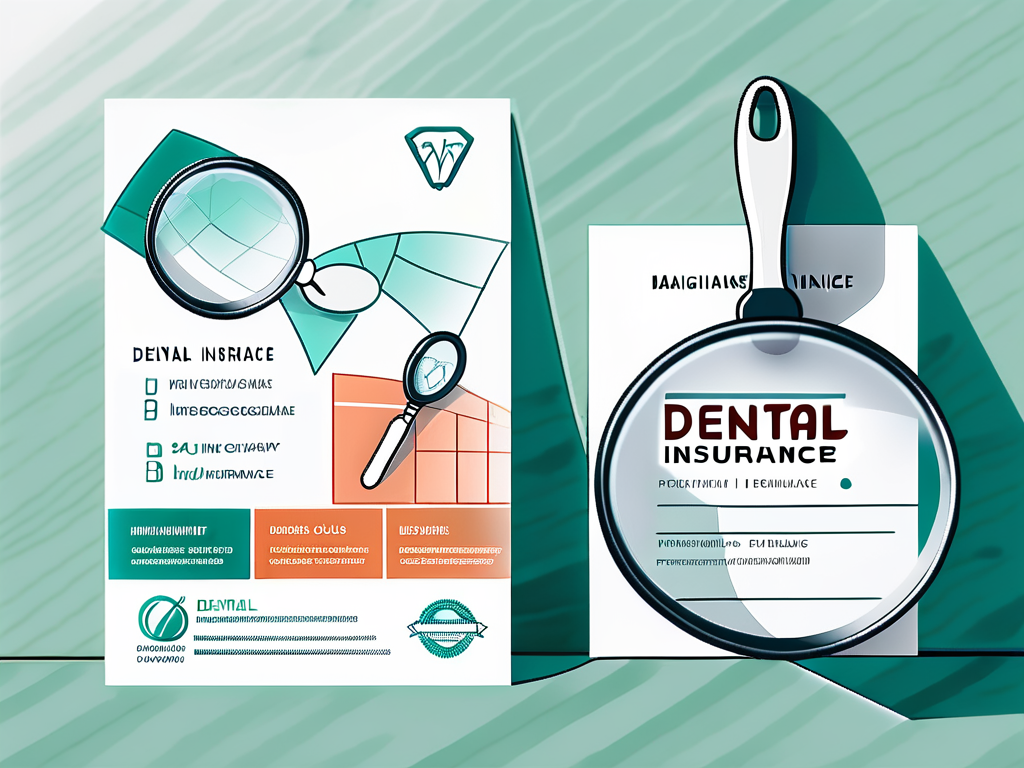
    With so many dental insurance plans available, choosing the right one can be a daunting task. Several factors should be taken into consideration when selecting a dental insurance plan.
    Section Image

    Factors to Consider

    Factors such as monthly premiums, out-of-pocket costs, network providers, coverage for specific treatments, and annual benefit limits should all be carefully evaluated. Individuals should assess their dental care needs and choose a plan that best aligns with their unique circumstances.

    Tips for Comparing Plans

    When comparing dental insurance plans, it’s important to conduct thorough research. Obtain multiple quotes from different insurance providers, carefully review the plan details and benefits, and seek clarification on any doubts. Reading reviews and seeking recommendations can also be helpful in making an informed decision.

    In conclusion, dental insurance is a valuable resource that provides financial protection against the high costs of dental care. By understanding the basics of dental insurance, exploring the different types of plans available, being aware of the coverage and benefits, considering the costs involved, and taking the time to choose the right plan, individuals can ensure they have the necessary coverage to achieve and maintain optimal oral health. Remember, prevention is better than cure, and dental insurance helps make preventive care more accessible and affordable. Don’t let the fear of dental expenses hold you back from achieving a healthy and beautiful smile.


  • 11. Travel Insurance

    11. Travel Insurance

    Travel insurance is an essential aspect of planning any trip. Whether you are going on a short vacation or embarking on a long-term adventure, having the right travel insurance can provide you with peace of mind and protect you from unexpected financial burdens. In this article, we will delve into the basics of travel insurance, explore different types of coverage, and offer tips on how to choose the right policy for your needs.

    Understanding the Basics of Travel Insurance

    What is Travel Insurance?

    Travel insurance is a type of insurance coverage specifically designed to protect travelers from potential risks and unforeseen circumstances during their trip. It offers financial reimbursement for various expenses related to travel, such as medical emergencies, trip cancellations, lost luggage, and more.

    Section Image

    Travel insurance policies can vary widely in terms of coverage, so it’s essential to carefully review and understand the policy details before purchasing. Some policies may also include coverage for adventure activities, rental car damage, and emergency medical evacuation.

    Why is Travel Insurance Important?

    Travel insurance is important because it provides a safety net and ensures that you are not left stranded or facing exorbitant costs if something goes wrong during your journey. It protects you from unexpected medical expenses, reimburses you for canceled or interrupted trips, and helps replace lost or stolen belongings.

    Additionally, travel insurance can offer peace of mind by providing 24/7 assistance services. These services may include access to a helpline for travel assistance, help with rebooking flights or accommodations in case of disruptions, and guidance on navigating unfamiliar healthcare systems in case of medical emergencies abroad.

    Types of Travel Insurance

    Several types of travel insurance policies are available to cater to different travel needs. Understanding these options will help you choose the most suitable coverage for your trip.

    Section Image

    Travel insurance is a crucial aspect of trip planning, offering financial protection and peace of mind in case of unexpected events such as trip cancellations, medical emergencies, or lost luggage. With various types of travel insurance available in the market, it’s essential to select a policy that aligns with your travel habits and preferences.

    Single Trip Insurance

    Single trip insurance, as the name suggests, provides coverage for a single trip or vacation. It offers protection for a specific duration, typically from the date of departure to the date of return. This type of insurance is ideal for individuals embarking on a one-time journey, whether it’s a weekend getaway or a long-awaited vacation.

    Multi-Trip Insurance

    Multi-trip insurance, also known as annual or frequent traveler insurance, is designed for individuals who travel multiple times within a year. This type of policy provides coverage for an unlimited number of trips during a specified period, usually 12 months. It offers convenience and cost savings for frequent travelers, eliminating the need to purchase a new policy for each trip taken throughout the year.

    Backpacker Insurance

    Backpacker insurance is specifically tailored for travelers embarking on an extended backpacking trip. It covers longer durations, typically ranging from several months to a year, and includes specific provisions for adventurous activities and sports often associated with backpacking. This type of insurance is essential for backpackers exploring remote destinations, engaging in outdoor pursuits, and seeking unique cultural experiences off the beaten path.

    Key Features of Travel Insurance

    When selecting travel insurance, it is essential to consider the key features of each policy to ensure it meets your specific needs. Here are some important aspects to keep in mind:

    Medical Coverage

    One of the primary features of travel insurance is medical coverage. This covers expenses related to accidents, illnesses, and emergencies that may occur while traveling. It typically includes hospitalization, medical treatments, and emergency medical evacuation.

    Medical coverage is crucial, especially when traveling to remote destinations where access to quality healthcare may be limited. In the event of a medical emergency, having comprehensive coverage can provide peace of mind and ensure you receive the necessary care without incurring exorbitant costs. Additionally, some policies offer coverage for pre-existing conditions, so be sure to review the terms and conditions to understand the extent of coverage provided.

    Trip Cancellation and Interruption

    Travel plans can change unexpectedly due to various reasons, such as illness, natural disasters, or other unforeseen circumstances. Trip cancellation and interruption coverage provide reimbursement for non-refundable expenses if you need to cancel or cut short your trip.

    Aside from personal reasons, trip cancellation and interruption coverage can also protect you in case of unforeseen events such as airline strikes or bankruptcies of travel suppliers. By having this coverage, you can safeguard your financial investment in the trip and avoid significant losses if unexpected circumstances force you to alter your travel plans.

    Baggage and Personal Belongings Coverage

    Lost, damaged, or stolen luggage can quickly dampen your travel experience. Baggage and personal belongings coverage offer compensation for such incidents, ensuring you can replace essential items and continue your trip without significant disruptions.

    Moreover, some travel insurance policies provide coverage for delayed baggage, which can help cover the cost of purchasing essential items while you wait for your luggage to be located and delivered. This additional benefit can alleviate the inconvenience of being without your belongings and allow you to enjoy your trip with minimal disruption.

    How to Choose the Right Travel Insurance

    Assessing Your Travel Needs

    Before making a decision, it is crucial to assess your travel needs and evaluate what type of coverage you require. Consider the destination, duration, activities planned, and potential risks. This assessment will help you determine the specific coverage you need.

    Section Image

    When evaluating your travel needs, take into account any pre-existing medical conditions you may have. Some insurance policies may offer coverage for these conditions, while others may not. It’s important to be transparent about your health status to ensure you are adequately covered during your trip. Additionally, consider the value of your belongings that you will be taking with you. Some policies offer coverage for lost, stolen, or damaged items, providing you with peace of mind while traveling.

    Comparing Different Insurance Providers

    To find the best travel insurance policy, compare and research different insurance providers. Look for reputable companies with good customer reviews and consider the coverage exclusions, claim procedures, and customer support they offer.

    It’s also beneficial to check if the insurance provider offers 24/7 emergency assistance. In case of any unforeseen events during your trip, having access to round-the-clock support can be invaluable. Some insurance companies have partnerships with local medical facilities or evacuation services, ensuring that you receive the necessary help promptly. By choosing a provider with comprehensive emergency assistance, you can travel with added confidence and security.

    Reading the Fine Print

    When selecting any insurance policy, it is essential to thoroughly read the fine print and understand the terms and conditions. Pay close attention to coverage limits, deductibles, exclusions, and the claims process. This will ensure that you have a clear understanding of what is covered and any limitations or requirements.

    Moreover, some insurance policies offer additional benefits such as trip cancellation coverage, which reimburses you for non-refundable trip expenses if you have to cancel due to unforeseen circumstances like illness or natural disasters. Understanding these extra features can help you choose a policy that aligns with your specific needs and provides comprehensive coverage for your travels.

  • 19. ATV Insurance

    19. ATV Insurance

    ATV insurance is a crucial aspect to consider for anyone who owns or operates an all-terrain vehicle or ATV. Whether you use your ATV for recreational purposes or rely on it for work, having the right insurance coverage is essential to protect yourself and your investment. In this article, we will explore the basics of ATV insurance, why it is necessary, key features of ATV insurance policies, factors influencing the cost of coverage, and how to choose the right policy that meets your specific needs.

    Understanding the Basics of ATV Insurance

    ATV insurance, as the name suggests, provides coverage for your all-terrain vehicle in the event of an accident, theft, damage, or any other unforeseen circumstances. This type of insurance can offer financial protection against the high costs of repairs, medical expenses, and legal liabilities that may arise from ATV-related incidents.

    Section Image

    When considering ATV insurance, it’s important to understand the various coverage options available to you. In addition to liability coverage, which protects you in case you cause damage or injury to others, you can also opt for uninsured/underinsured motorist coverage. This type of coverage can help pay for your expenses if you’re involved in an accident with a driver who doesn’t have insurance or enough insurance to cover the damages.

    What is ATV Insurance?

    ATV insurance is a specialized insurance policy designed to cover the unique risks associated with owning and operating an ATV. It typically includes liability coverage, which protects you if you cause damage or injury to someone else or their property while using your ATV. Additionally, it may offer comprehensive and collision coverage to pay for damages caused by accidents, theft, vandalism, or natural disasters.

    Moreover, some ATV insurance policies may also include coverage for accessories and custom parts added to your vehicle. This can be particularly beneficial if you have invested in upgrades or modifications to enhance the performance or appearance of your ATV. By having coverage for these additional components, you can ensure that your investment is protected in case of damage or theft.

    Why Do You Need ATV Insurance?

    While ATV insurance is not legally required in all states, it is highly recommended to protect yourself and your finances. Accidents involving ATVs can result in significant damages, injuries, and even fatalities. Without insurance, you could be held personally liable for medical expenses, property damage, or legal fees arising from an accident. Having ATV insurance provides peace of mind and ensures that you are financially protected in the event of an unfortunate incident.

    Furthermore, ATV insurance can offer coverage for medical payments, which can help pay for medical expenses for you and your passengers in the event of an accident, regardless of who is at fault. This coverage can be crucial in ensuring that you and your loved ones receive the necessary medical treatment without facing exorbitant out-of-pocket costs.

    Key Features of ATV Insurance

    ATV insurance policies offer various coverage options to suit individual needs. Understanding these key features can help you make an informed decision when choosing a policy. Here are some common features to consider:

    ATV insurance not only provides coverage for your vehicle but also offers protection for you as a rider. In addition to the standard coverage options, some policies may include medical payment coverage, which helps pay for medical expenses resulting from an ATV accident, regardless of who is at fault. This can be especially beneficial in covering emergency room visits, hospital stays, and rehabilitation costs.

    Moreover, some ATV insurance policies offer coverage for accessories and modifications made to your vehicle. This means that if you have added custom parts, equipment, or upgrades to your ATV, these can also be protected in the event of damage or theft. It’s essential to assess the value of your ATV and any additional accessories to ensure you have adequate coverage.

    Collision Coverage

    Collision coverage pays for damages to your ATV caused by a collision with another vehicle, object, or an unavoidable obstacle. This coverage is particularly crucial if you frequently ride your ATV in areas with heavy traffic or rough terrains, where accidents are more likely to occur.

    Comprehensive Coverage

    Comprehensive coverage protects your ATV from non-collision incidents such as theft, vandalism, fire, or damage caused by natural disasters. It provides financial compensation for repairs or replacement of your ATV if it is damaged or stolen.

    Uninsured/Underinsured Motorist Coverage

    Uninsured/underinsured motorist coverage safeguards you in case of an accident involving another party who does not have insurance or does not have enough coverage to fully compensate for damages and injuries. This coverage ensures that you are not left responsible for expenses resulting from an accident caused by an uninsured or underinsured driver.

    Factors Influencing ATV Insurance Cost

    The cost of ATV insurance policies can vary based on several factors. Insurers consider these factors when determining the premiums you will pay. Understanding these factors can help you anticipate the cost and find ways to potentially reduce it.

    Section Image

    One significant factor that influences ATV insurance cost is the location where you plan to ride your ATV. Insurers take into account the terrain and environment of the area, as riding in rugged terrains or high-traffic urban areas may pose higher risks of accidents. Factors such as weather conditions and crime rates in the area can also impact the insurance premiums.

    Age and Experience of the Driver

    Younger and less experienced drivers often incur higher insurance premiums due to their higher risk of accidents. This is because they may have less judgment and awareness on the road, making them more prone to mistakes or risky behaviors.

    Moreover, the driving record of the ATV operator plays a crucial role in determining insurance costs. A history of accidents or traffic violations can lead to increased premiums as it indicates a higher likelihood of future claims.

    Type and Model of the ATV

    The type and model of your ATV can impact the insurance cost. High-performance ATVs or those with larger engines usually have higher premiums due to their increased speed and potential for more severe accidents.

    Usage of the ATV

    If you primarily use your ATV for recreational purposes, your insurance cost may be lower compared to using it for business or work-related activities. This is because commercial use of an ATV may involve higher risks and liabilities.

    Furthermore, the safety features and modifications on your ATV can also affect insurance premiums. Installing safety equipment such as roll bars, seat belts, and anti-theft devices may help lower the cost by reducing the likelihood of accidents or theft.

    How to Choose the Right ATV Insurance Policy

    Choosing the right ATV insurance policy can be a daunting task with numerous providers and coverage options available. Here are some steps to help you make an informed decision:

    Section Image

    Assessing Your Needs

    Consider your specific needs and usage of your ATV. Are you a weekend warrior who enjoys off-roading adventures with friends, or do you use your ATV for work purposes? Evaluating the risks associated with your activities, the value of your ATV, and the level of coverage you require is essential. For example, if you frequently ride in areas with a high risk of theft, you may want to prioritize comprehensive coverage to protect your investment.

    Additionally, think about the potential liabilities you may face. If you often invite friends or family to ride your ATV, you might want to consider liability coverage to protect yourself in case of accidents or injuries involving others.

    Comparing Different Insurance Providers

    Research and compare insurance providers to find the policy that offers the best coverage at a reasonable price. Don’t be afraid to ask for recommendations from fellow ATV enthusiasts or consult online forums for insights. Obtain quotes from multiple insurers and carefully review the terms, inclusions, exclusions, and deductibles of each policy.

    When comparing policies, pay attention to the additional benefits that some insurers may offer. For example, some policies may include roadside assistance coverage, which can be invaluable if you find yourself stranded in a remote location. Others may provide coverage for aftermarket modifications, ensuring that your customized ATV is protected.

    Reading the Fine Print

    Before finalizing your decision, be sure to read and understand all the terms and conditions of the ATV insurance policy. It’s crucial to pay close attention to any limitations, restrictions, or additional requirements that may apply. For instance, some policies may have specific requirements for storing your ATV when not in use or may exclude coverage for certain types of off-road activities.

    Seek clarification from the insurer if anything is unclear. It’s better to have a clear understanding of the policy before signing on the dotted line than to be caught off guard by unexpected limitations or exclusions later on.

    By following these steps, you can make a well-informed decision and choose an ATV insurance policy that not only meets your specific needs but also provides you with peace of mind as you embark on your off-road adventures.

    In conclusion, ATV insurance is a vital protection for ATV owners and operators. It safeguards against financial burdens arising from accidents, theft, or liabilities. By understanding the essentials of ATV insurance, considering key features, assessing factors affecting premium costs, and making an informed choice, you can find the right ATV insurance policy that meets your specific needs and provides peace of mind.

  • 38. Surety Bonds

    38. Surety Bonds

    Surety bonds play a crucial role in various industries and are an essential tool for ensuring financial security and compliance with legal obligations. Understanding the basics of surety bonds is important for both businesses and individuals who may require them. This article will explore the definition and purpose of surety bonds, the different types available, as well as their impact on financial stability.

    Understanding the Basics of Surety Bonds

    Definition and Purpose of Surety Bonds

    Surety bonds are legally binding contracts that involve three parties: the obligee, the principal, and the surety. The obligee is usually a government agency or entity that requires the bond to ensure that the principal fulfills certain obligations. The principal is the party that obtains the bond to guarantee their performance, while the surety is the company or organization that issues the bond and provides financial security in case the principal fails to fulfill their obligations.

    Section Image

    The purpose of surety bonds is to protect parties that rely on the performance or completion of certain tasks by the principal. They provide a guarantee that the obligee will be compensated for any financial loss incurred if the principal fails to meet their obligations. Surety bonds are often required in industries such as construction, transportation, finance, and licensing.

    Different Types of Surety Bonds

    There are several types of surety bonds, each serving a different purpose. Contract bonds are commonly used in the construction industry and ensure that contractors fulfill their contractual obligations, such as completing a project or paying subcontractors and suppliers.

    License and permit bonds are required by government agencies to protect the public from fraudulent or unethical business practices. These bonds are often mandatory for professionals such as contractors, insurance agents, and mortgage brokers. They ensure compliance with industry regulations and provide financial protection to consumers.

    Judicial bonds are issued when a court requires a guarantee of payment or performance. They include appeal bonds, probate bonds, and guardianship bonds, among others. These bonds provide assurance that the party involved in a legal proceeding will fulfill their obligations.

    The Role of Surety Bonds in Business

    Surety bonds play a vital role in business operations by providing financial security and peace of mind to various stakeholders. For project owners, surety bonds ensure that contractors or subcontractors complete their work according to the contract terms. This reduces the risk of costly delays or substandard work.

    For suppliers and subcontractors, surety bonds offer protection against non-payment or default by the principal. In case of financial loss, they can make a claim on the bond to recover their losses. Surety bonds also protect consumers from fraudulent or subpar services by ensuring that businesses operate ethically and within legal boundaries.

    Moreover, surety bonds contribute to the overall stability and growth of the economy. By providing a financial safety net, they encourage businesses to take on larger projects and expand their operations. This, in turn, creates job opportunities and stimulates economic development.

    Additionally, surety bonds help foster trust and confidence between parties involved in a transaction. The presence of a surety bond reassures clients and investors that the principal is committed to fulfilling their obligations. It acts as a tangible demonstration of the principal’s financial strength and reliability.

    Furthermore, surety bond companies play a crucial role in the process. They carefully evaluate the financial stability and track record of the principal before issuing a bond. This assessment ensures that the surety company can confidently provide financial security and fulfill its obligations in case of a claim.

    In conclusion, surety bonds are essential tools that protect parties involved in various industries. They provide financial security, encourage business growth, and foster trust between stakeholders. Whether it’s ensuring the completion of a construction project or safeguarding consumers from unethical practices, surety bonds play a vital role in maintaining a fair and reliable business environment.

    The Process of Obtaining a Surety Bond

    Eligibility Criteria for Surety Bonds

    Obtaining a surety bond requires meeting certain eligibility criteria. The surety company evaluates the financial stability, creditworthiness, and reputation of the principal before issuing a bond. Factors such as the type of bond, the principal’s industry experience, and the project’s complexity also influence eligibility.

    Section Image

    Typically, surety companies require financial statements, references, and other relevant documentation to assess the risk associated with bonding a specific project or individual. The principal must demonstrate their ability to honor the terms of the bond and fulfill their obligations.

    Steps to Apply for a Surety Bond

    Applying for a surety bond involves several steps. First, the principal must identify the type of bond required and the specific obligations it covers. They should research reputable surety companies and obtain quotes to compare terms and pricing.

    Once a suitable surety company is chosen, the principal submits an application. The application typically includes information about the project, financial statements, references, and any other documentation required by the surety company.

    After reviewing the application, the surety company assesses the risk and determines whether to issue the bond. If approved, the principal pays a premium based on the bond amount and the perceived risk. The premium is usually a percentage of the bond amount and can vary based on factors such as the principal’s creditworthiness and the complexity of the project.

    Costs Associated with Surety Bonds

    The costs associated with surety bonds include the premium paid to the surety company and any additional fees or expenses. The premium amount is determined by the perceived risk, which is influenced by factors such as the principal’s creditworthiness, industry experience, and the project’s complexity.

    Other costs may include underwriting fees, which cover the surety company’s expenses for evaluating the principal and assessing risk. Additionally, there may be renewal fees if the bond needs to be extended beyond its initial term.

    The Legal Aspects of Surety Bonds

    Rights and Obligations Under a Surety Bond

    Understanding the rights and obligations under a surety bond is essential for all parties involved. The obligee has the right to make a claim on the bond if the principal fails to fulfill their obligations. They are entitled to financial compensation for any damages suffered as a result of the principal’s non-compliance.

    The principal has the obligation to abide by the terms and conditions of the bond. Failure to do so can result in financial penalties, legal consequences, or loss of reputation. The principal is also responsible for reimbursing the surety company for any claims paid out on their behalf.

    The surety company is obligated to provide the financial security guaranteed by the bond. If the principal defaults on their obligations, the surety company steps in and compensates the obligee. However, the surety company has the right to seek reimbursement from the principal for any amount paid on their behalf.

    Legal Consequences of Surety Bond Violations

    Violating the terms of a surety bond can have severe legal consequences for the principal. Non-compliance can result in financial penalties, legal action, and potential loss of business opportunities. It can also impact the principal’s reputation and creditworthiness.

    If a claim is made on the bond, the principal may face financial liability for the damages incurred by the obligee. This can include payment of the claim amount, legal fees, and any additional costs associated with the claim process.

    The Impact of Surety Bonds on Financial Stability

    Surety Bonds as a Risk Management Tool

    Surety bonds act as a risk management tool that promotes financial stability in various industries. By providing financial security and guaranteeing performance, surety bonds mitigate the risk of non-compliance and help maintain a level playing field for businesses.

    For project owners and investors, surety bonds reduce the risk of financial loss due to contractor default or non-performance. They provide assurance that the project will be completed as outlined in the contract and according to industry standards. This promotes investor confidence and allows for smoother project execution.

    How Surety Bonds Affect Credit Ratings

    Surety bonds can have an impact on a principal’s credit rating. When obtaining a surety bond, the surety company evaluates the principal’s creditworthiness, financial stability, and reputation. If a principal has a history of non-compliance or defaults, it can negatively affect their credit rating.

    However, maintaining a good track record of fulfilling bond obligations can improve a principal’s creditworthiness. Timely payments, successful completion of projects, and adherence to the terms of the bond demonstrate reliability and financial responsibility, which can positively influence credit ratings.

    Future Trends in the Surety Bond Market

    Technological Innovations in Surety Bond Issuance

    The surety bond market is witnessing technological advancements that simplify the bond issuance process and improve efficiency. Digital platforms and electronic document management systems enable the online application and issuance of surety bonds, reducing paperwork and processing time.

    Section Image

    Blockchain technology is also being explored to enhance transparency and security in surety bond transactions. Smart contracts can automate payment processes and enforce compliance, eliminating the need for manual verification and reducing the risk of fraud.

    Impact of Global Economic Changes on Surety Bonds

    The global economy experiences constant fluctuations that can impact the surety bond market. Economic downturns may lead to increased construction project defaults and financial instability, affecting the availability and cost of surety bonds.

    On the other hand, economic growth can result in increased construction activity and demand for surety bonds. Stable economic conditions encourage investment and provide opportunities for contractors and businesses, creating a favorable market for surety bond issuances.

    Conclusion

    Surety bonds are essential tools for ensuring financial security and compliance with legal obligations. Understanding the basics of surety bonds, the process of obtaining them, and the legal aspects involved is vital for businesses and individuals alike.

    Surety bonds promote financial stability, protect parties involved in a project, and foster trust in business transactions. The future of the surety bond market holds promising technological advancements and will continue to evolve alongside global economic changes.

  • Does having a dog change my insurance premium?

    Does having a dog change my insurance premium?

    Having a dog can bring joy and companionship to your life, but it’s important to consider how it may impact your insurance premium. Insurance premiums are influenced by various factors, and owning a dog is no exception. Understanding the relationship between pet ownership and insurance costs can help you make informed decisions and mitigate any potential impact on your premiums.

    Understanding Insurance Premiums

    Before delving into how owning a dog affects insurance premiums, let’s first understand what an insurance premium is and the factors that influence it.

    What is an Insurance Premium?

    An insurance premium is the amount of money you pay to an insurance company in exchange for coverage. It is typically paid on a regular basis, such as monthly or annually, and helps to protect you from financial losses due to accidents, damages, or other covered events.

    When you pay your insurance premium, you are essentially pooling your risk with other policyholders. This pooled money is used to pay for the losses of those who experience covered events, ensuring that individuals are not financially devastated by unexpected circumstances.

    Factors Influencing Insurance Premiums

    Insurance companies consider several factors when determining your premium. These factors include your age, location, claims history, credit score, and the type and amount of coverage you need. Some insurance companies also take into account whether you own certain breeds of dogs or other pets.

    Additionally, the insurance industry is heavily regulated, with each state having its own set of rules and requirements for insurance companies. These regulations help ensure that insurance premiums are fair and that policyholders are protected. Insurance companies also use actuarial data and statistical models to assess risk and calculate premiums, taking into consideration the likelihood of a claim being filed based on various factors.

    The Impact of Pet Ownership on Insurance

    Pet ownership can have both general and specific effects on insurance premiums. Insurance companies recognize that owning a pet comes with potential risks and may increase the likelihood of claims being filed.

    Section Image

    However, it’s important to note that not all pets will have a negative impact on your insurance. Some insurance companies offer policies that specifically cover pet-related incidents, providing pet owners with peace of mind knowing that they are protected in case of any unforeseen events.

    General Effects of Owning a Pet on Insurance

    When you have a pet, such as a dog, insurance companies may view your property as being at a higher risk for damage. This is because pets can sometimes cause accidents, such as knocking over furniture or causing injuries to visitors. As a result, you may see a slight increase in your insurance premium.

    On the other hand, owning a pet can also have positive effects on your insurance. Some insurance companies offer discounts to pet owners who have taken certain safety measures, such as installing pet gates or having a secure backyard, to prevent accidents and injuries.

    Specific Impact of Dogs on Insurance Premiums

    Of all the pets, dogs tend to have the most significant impact on insurance premiums. Some insurance companies consider certain breeds of dogs as higher risk due to their history or characteristics. These breeds may have a reputation for aggression or higher likelihood of causing injuries.

    It’s important for pet owners to disclose all relevant information about their pets to their insurance company to ensure they have the appropriate coverage. By being transparent about your pet’s breed, training, and behavior, you can work with your insurance provider to find the best policy that meets your needs and protects you in case of any pet-related incidents.

    Different Breeds, Different Premiums

    When it comes to dog breeds and insurance costs, there is a wide range of variations. Insurance companies closely assess the breed of your dog to determine the level of risk associated with it.

    Section Image

    It’s important to note that the process of determining insurance premiums based on dog breeds is a complex one. Insurance companies take into account not only the historical data on bite claims but also factors such as the size of the breed, its temperament, and any breed-specific legislation in the area where the owner resides. All these elements play a role in shaping the final premium that a dog owner may have to pay.

    How Dog Breeds Affect Insurance Costs

    Insurance companies analyze data on dog bite claims and incidents to identify which breeds are more likely to be involved in accidents or injuries. This information helps them determine the level of risk associated with specific breeds, which in turn affects the premiums charged to owners of those breeds.

    Moreover, insurance companies also consider the prevalence of certain health conditions within specific breeds. For example, brachycephalic breeds like Bulldogs or Pugs are prone to respiratory issues due to their flat faces, which can result in higher medical costs. This factor may also influence the insurance premiums for these breeds, reflecting the potential expenses associated with their unique health needs.

    High-Risk vs Low-Risk Breeds

    While it may seem unfair to label certain breeds as high or low risk, insurance companies base their classifications on statistical data. Breeds with higher bite incident rates, such as Pit Bulls or Rottweilers, are often considered higher risk, resulting in higher premiums. On the other hand, breeds with lower risk, like Labrador Retrievers or Golden Retrievers, generally have lower premiums.

    It’s essential for dog owners to understand that these classifications are not a reflection of the individual dog’s behavior but rather a broader assessment of risk at a population level. Responsible pet ownership and proper training can help mitigate some of these risks, potentially leading to lower insurance premiums over time.

    Mitigating the Impact of Dog Ownership on Insurance Premiums

    Fortunately, there are steps you can take to help mitigate the impact of owning a dog on your insurance premiums. By demonstrating that you are a responsible dog owner and taking measures to reduce potential risks, you may be able to lower your premium.

    Section Image

    One important aspect to consider is the breed of your dog. Some insurance companies may charge higher premiums or even exclude certain breeds that are considered high-risk due to their reputation for aggression. It’s crucial to check with your insurance provider on breed-specific policies and how they may affect your premium.

    Training and Certifications That Can Lower Your Premium

    Socializing and training your dog can greatly reduce the likelihood of accidents or aggressive behavior. Some insurance companies offer premium discounts for dogs that have completed obedience training or earned certifications such as the Canine Good Citizen (CGC) title. These certifications signify that your dog has passed a series of tests demonstrating good manners and behavior.

    Additionally, participating in activities such as agility training or therapy dog programs can showcase your dog’s obedience and temperament, potentially leading to further discounts on your insurance premium. These activities not only benefit your dog’s behavior but also demonstrate to your insurance provider that you are proactive in mitigating risks.

    Safety Measures to Reduce Insurance Costs

    Implementing safety measures on your property can help reduce potential risks associated with dog ownership. Installing secure fences, keeping your dog on a leash when outside, and properly managing interactions between your dog and visitors can minimize the chances of accidents or injuries occurring. Taking these precautions can positively impact your insurance premium.

    Furthermore, investing in liability insurance specifically for your dog can provide an extra layer of protection in case of any incidents involving your pet. This type of insurance can cover legal expenses or medical bills if your dog were to cause harm to someone or damage property. While it may come with an additional cost, it can ultimately save you money in the long run by avoiding out-of-pocket expenses in unforeseen circumstances.

    Frequently Asked Questions About Dogs and Insurance Premiums

    As a dog owner, you may have some additional questions about how owning a dog can affect your insurance premiums. Let’s address a couple of common concerns:

    Does the Age of My Dog Affect My Premium?

    Typically, the age of your dog does not directly impact your insurance premium. However, there are a few factors related to age that could potentially affect coverage or contribute to higher premiums.

    Firstly, older dogs may have pre-existing health conditions. Just like humans, dogs can develop certain health issues as they age. These conditions, such as arthritis or heart disease, may require ongoing medical care and treatment. As a result, insurance companies may consider these pre-existing conditions when determining coverage and premiums.

    Secondly, the behavior of your dog may change as they grow older. While your furry friend may have been a well-behaved and calm pup in their younger years, they may become more prone to anxiety or aggression as they age. Insurance companies take these behavioral changes into account when assessing the risk associated with insuring your dog.

    What If My Dog Has a Pre-Existing Condition?

    If your dog has a pre-existing condition, such as a history of aggression or a prior bite incident, it may pose challenges when obtaining insurance coverage. Some insurance companies may either exclude coverage for specific incidents related to the pre-existing condition or decline coverage altogether.

    However, not all insurance providers have the same policies when it comes to pre-existing conditions. Some companies specialize in providing coverage for dogs with a history of aggression or other behavioral issues. These providers may offer tailored policies that take into account your dog’s specific needs and circumstances.

    It’s crucial to be aware of these potential limitations and explore your options with insurance providers that are more accommodating to your situation. By doing thorough research and seeking out specialized providers, you can find coverage that suits both your dog’s needs and your budget.

    In conclusion, owning a dog can impact your insurance premium due to the potential risks associated with pet ownership. Insurance companies may assess certain breeds as higher risk, resulting in higher premiums. However, by being a responsible dog owner, investing in training and certifications, and implementing safety measures, you can help mitigate these effects and potentially lower your insurance costs.

    Remember, every insurance provider has its own policies and regulations regarding dogs and premiums. It’s always advisable to consult with insurance providers to understand their policies and any breed-specific regulations before obtaining coverage. By doing so, you can make informed decisions and ensure that you have the right insurance coverage to protect both you and your beloved furry companion.

  • What is a scheduled items insurance policy?

    What is a scheduled items insurance policy?

    Scheduled items insurance is a specific type of insurance policy that provides coverage for high-value and valuables possessions. It goes beyond the coverage provided by a standard homeowners or renters insurance policy and allows individuals to insure specific items separately. This article aims to provide a comprehensive understanding of scheduled items insurance, including its definition, purpose, how it works, and the benefits it offers.

    Understanding the Basics of Scheduled Items Insurance

    Definition and Purpose of Scheduled Items Insurance

    Scheduled items insurance, also known as valuable items insurance or personal articles floater insurance, is designed to protect high-value possessions that may exceed the coverage limits provided by a standard insurance policy. It offers additional coverage, often with higher limits, for items such as jewelry, art, collectibles, electronic devices, and other valuable assets.

    Section Image

    The purpose of scheduled items insurance is to provide specialized coverage that ensures the full value of these items is protected in the event of theft, loss, or damage. By scheduling specific items, policyholders can have peace of mind knowing that their prized possessions are adequately insured.

    One key benefit of scheduled items insurance is that it can provide coverage for a broader range of perils compared to a standard homeowners or renters insurance policy. While a standard policy may have limitations on coverage for high-value items, scheduled items insurance can offer protection against a wider array of risks, such as accidental damage or mysterious disappearance.

    Types of Items Covered Under Scheduled Items Insurance

    Scheduled items insurance typically covers a wide range of valuable possessions. Some common items that can be scheduled under this type of policy include:

    1. Jewelry
    2. Watches
    3. Antiques
    4. Artwork
    5. Electronics
    6. Musical instruments
    7. Silverware
    8. Firearms

    These are just a few examples, and coverage may vary depending on the insurance provider. It’s important to check with your insurer to understand the specific items that can be covered under a scheduled items insurance policy.

    Additionally, scheduled items insurance can offer coverage for items that have sentimental value beyond their monetary worth. This can include family heirlooms, vintage items, or items of historical significance that may not have a high market value but hold immense importance to the policyholder.

    The Importance of Scheduled Items Insurance

    Protecting High-Value Items

    High-value items like jewelry, art, or collectibles can hold significant emotional and financial value. These possessions may not be adequately covered by a standard insurance policy, which typically has coverage limits for specific types of items.

    Scheduled items insurance ensures that in the event of loss, theft, or damage, these valuable possessions are protected, and the policyholder can receive compensation based on their true value. This coverage can offer a sense of security and protection for cherished items that may be difficult or impossible to replace.

    Moreover, scheduled items insurance provides a tailored approach to safeguarding high-value possessions. Unlike standard insurance policies, which may offer limited coverage for specific categories of items, scheduled items insurance allows policyholders to customize their coverage based on the unique value of each item. This personalized approach ensures that every valuable possession is adequately protected, giving policyholders peace of mind.

    Ensuring Full Value Compensation

    By scheduling specific items under a separate policy, policyholders can take steps to ensure they receive full value compensation for their valuable possessions. Standard insurance policies often have limitations on coverage amounts for certain items, which may not reflect their actual value.

    Scheduled items insurance allows individuals to provide detailed documentation and appraisals for their high-value possessions, ensuring that in the event of a claim, they can receive the full value of the item. This is especially important for rare or unique items that may appreciate in value over time.

    Furthermore, scheduled items insurance offers a transparent claims process that prioritizes the accurate valuation of high-value possessions. In the unfortunate event of a loss, policyholders can rest assured that their valuable items will be assessed and compensated for based on their current market value. This level of detail and precision in valuation sets scheduled items insurance apart, providing policyholders with comprehensive coverage and peace of mind.

    How Does Scheduled Items Insurance Work?

    Process of Scheduling Items

    To obtain coverage under a scheduled items insurance policy, policyholders need to go through a process known as “scheduling” their items. This involves providing detailed information about the item, such as its description, serial number (if applicable), value, and any supporting documentation or appraisals.

    Insurance companies may require policyholders to provide proof of ownership and value, such as receipts, photographs, or independent appraisals. This documentation helps ensure that the item can be accurately identified and valued in the event of a claim.

    Moreover, some insurance companies might offer online platforms or tools that allow policyholders to conveniently input and store information about their scheduled items. These digital solutions not only streamline the scheduling process but also serve as a secure repository for important documentation, making it easily accessible in case of a claim.

    Determining the Value of Items

    When scheduling an item, it’s essential to determine its value accurately. This may involve obtaining a professional appraisal from a qualified appraiser who specializes in valuing the type of item being insured.

    The appraiser will assess the condition, rarity, and market value of the item to provide an estimate of its worth. It’s important to update appraisals periodically, especially if the value of the item has changed significantly over time.

    Additionally, policyholders should consider factors such as inflation, market trends, and any improvements or modifications made to the item when reassessing its value. By staying proactive and keeping valuations up to date, policyholders can ensure that their scheduled items are adequately protected in case of loss, damage, or theft.

    Benefits of Scheduled Items Insurance

    Comprehensive Coverage

    One of the significant benefits of scheduled items insurance is the comprehensive coverage it offers for high-value possessions. Unlike standard insurance policies, which may have limited coverage for specific types of items, scheduled items insurance can provide coverage up to the appraised value of the item, ensuring that policyholders are adequately protected.

    Section Image

    Additionally, this type of insurance policy may cover a broader range of perils, including accidental damage and mysterious disappearance, further extending the protection for valuable possessions.

    Moreover, scheduled items insurance often allows for customized coverage based on the individual needs of the policyholder. This means that unique items with sentimental or monetary value, such as family heirlooms, rare collectibles, or expensive jewelry, can be specifically listed and insured for their full appraised value. This personalized approach ensures that each valuable possession is adequately protected, giving policyholders peace of mind.

    Peace of Mind for Valuable Possessions

    For individuals who own high-value items, scheduled items insurance provides peace of mind. It allows them to rest assured that their valuable possessions are protected from various risks, whether it be theft, damage, or loss.

    With the knowledge that their treasures are insured, policyholders can enjoy their possessions without constant worry, knowing that they have taken the necessary steps to safeguard their valuables.

    Furthermore, scheduled items insurance often offers additional services such as access to specialized appraisers and restoration experts in the event of a claim. This ensures that in case of damage or loss, policyholders can rely on professionals who understand the unique value and significance of their possessions to assist in the recovery process. Such dedicated support further enhances the peace of mind that scheduled items insurance provides, making it a valuable investment for those with high-value belongings.

    Limitations and Exclusions of Scheduled Items Insurance

    Understanding Policy Limitations

    While scheduled items insurance offers enhanced coverage for valuable possessions, there may be limitations and exclusions within the policy. These limitations could include coverage limits for specific types of items, per-item value restrictions, or specific exclusions for certain perils.

    Section Image

    It’s crucial for policyholders to carefully review their insurance policy, including the terms, conditions, and limitations, to ensure they understand the extent of their coverage. Additionally, regular communication with their insurance provider can help address any questions or concerns regarding coverage limitations.

    Common Exclusions in Scheduled Items Insurance

    Like any insurance policy, scheduled items insurance may have exclusions for certain perils or situations. Common exclusions include intentional damage, wear and tear, and loss or damage due to war or acts of terrorism.

    Prior to purchasing a scheduled items insurance policy, individuals should review the policy’s exclusions and consult with their insurance provider to fully understand any limitations or potential coverage gaps.

    One important limitation to consider is the coverage limits for specific types of items. For example, while your policy may provide comprehensive coverage for jewelry, it may have a lower coverage limit for electronics or artwork. Understanding these limits can help you make informed decisions about insuring your valuable possessions.

    Additionally, per-item value restrictions can impact the coverage you receive. Some policies may have a maximum value limit for individual items, meaning that if your item exceeds that value, it may not be fully covered. It’s essential to be aware of these restrictions and consider appraisals or additional coverage options if necessary.

    Furthermore, it’s important to be aware of the specific exclusions for certain perils. While scheduled items insurance provides coverage for a wide range of risks, there may be certain situations or events that are not covered. For example, intentional damage caused by the policyholder themselves may not be covered under the policy. Understanding these exclusions can help you take necessary precautions to protect your valuable possessions.

    In conclusion, scheduled items insurance is designed to provide specialized coverage for high-value possessions. By scheduling specific items, policyholders can ensure that their valuable possessions are protected from various risks, and they can receive full value compensation in the event of loss, theft, or damage. While there may be limitations and exclusions within the policy, scheduled items insurance offers comprehensive coverage and peace of mind for those who own valuable items. By carefully reviewing the policy, understanding the limitations and exclusions, and maintaining open communication with your insurance provider, you can make the most of your scheduled items insurance and protect your valuable possessions for years to come.

  • Why fire insurance prices are increasing?

    Why fire insurance prices are increasing?

    Fire insurance prices have been on the rise in recent years, leaving many homeowners wondering why. In order to understand this phenomenon, it is important to first grasp the basics of fire insurance.

    Understanding the Basics of Fire Insurance

    Fire insurance is a type of property insurance that provides coverage for damage caused by fire. It is designed to protect homeowners from the financial burden that comes with the destruction or damage of their property due to fire incidents.

    Fire insurance policies typically cover not only the physical structure of the home, but also personal belongings and additional living expenses incurred in the event of an uninhabitable home. It is a crucial component of overall property insurance, as fire is one of the most common and destructive perils faced by homeowners.

    Understanding the intricacies of fire insurance involves delving into the various types of coverage available. While standard fire insurance policies cover damages caused directly by fire, some policies may also include coverage for smoke damage, water damage from firefighting efforts, and even damage caused by wildfires. It’s important for homeowners to carefully review their policy to understand the extent of coverage provided.

    Additionally, fire insurance may offer liability coverage in case someone is injured on the property due to a fire. This can help protect homeowners from potential lawsuits and medical expenses that may arise from such incidents.

    What is Fire Insurance?

    Fire insurance is a contract between the homeowner and an insurance company in which the homeowner pays regular premiums in exchange for financial compensation in the event of fire-related damage. The policy specifies the coverage limits, deductibles, and exclusions that apply.

    Importance of Fire Insurance

    Having fire insurance is essential for homeowners as it provides financial protection and peace of mind. Without proper coverage, homeowners risk losing their valuable investment and being unable to recover financially.

    Fire insurance ensures that homeowners can rebuild or repair their property, replace damaged belongings, and cover temporary living arrangements while their home is being restored.

    Furthermore, fire insurance can also provide coverage for additional structures on the property, such as garages, sheds, or fences. This comprehensive coverage helps ensure that all aspects of the homeowner’s property are protected in the event of a fire.

    Factors Contributing to the Rise in Fire Insurance Prices

    Several factors have contributed to the increasing prices of fire insurance policies. Understanding these factors can shed light on why premiums have been on the rise.

    Increase in Fire Incidents

    One significant factor driving fire insurance prices is the increase in fire incidents in recent years. With the rise in urbanization, population density, and the complexity of modern infrastructure, the risk of fire outbreaks has grown substantially.

    As a result, insurance companies have experienced a higher number of claims and payouts, prompting them to adjust their pricing to maintain profitability.

    Moreover, the impact of climate change cannot be overlooked. The changing weather patterns and extreme heatwaves have created favorable conditions for wildfires, further increasing the frequency and intensity of fire incidents.

    Inflation and Economic Factors

    Inflation and economic factors also play a role in escalating fire insurance prices. As the cost of building materials, labor, and construction expenses increase over time, insurance companies must adjust their premiums to reflect these rising costs.

    Furthermore, the economic landscape influences fire insurance pricing. During times of economic downturn, insurance companies may face higher investment risks and lower returns, which can lead to an increase in premiums to maintain financial stability.

    Changes in Building Codes and Regulations

    Building codes and regulations are constantly evolving to enhance safety and prevent fire incidents. However, these changes often require homeowners to make costly upgrades to their properties in order to comply with new standards.

    Insurance companies consider these changes when pricing fire insurance policies, as homes that do not meet current building codes may pose a higher risk of fire damage.

    Moreover, technological advancements have also influenced building codes. The introduction of new fire-resistant materials and advanced fire detection systems has led to higher expectations for safety measures, which can impact insurance pricing.

    In conclusion, the rise in fire insurance prices can be attributed to various factors, including the increase in fire incidents, inflation and economic factors, and changes in building codes and regulations. Understanding these factors is crucial for homeowners and insurance companies alike to navigate the evolving landscape of fire insurance policies.

    Impact of Climate Change on Fire Insurance

    Climate change has emerged as a significant factor influencing fire insurance prices. The changing climate patterns and more frequent extreme weather events have led to an increased risk of wildfires and other natural disasters.

    Section Image

    The intricate relationship between climate change and fire insurance is a complex web of interconnected factors. As global temperatures rise and weather patterns become more unpredictable, the risk of wildfires escalates, posing a substantial challenge for insurance companies worldwide.

    Wildfires and Natural Disasters

    Wildfires have become more common and more severe in recent years, leading to significant losses for homeowners and insurance companies. The destruction caused by wildfires can result in massive insurance claims and payouts, which in turn drive up premiums for all policyholders.

    In addition to wildfires, other natural disasters such as hurricanes, floods, and tornadoes have also been on the rise. These events can cause extensive fire damage and result in higher insurance costs.

    The aftermath of a natural disaster can be devastating, not only in terms of property damage but also in terms of the financial burden it places on insurance companies. The ripple effect of these disasters can be felt across the insurance industry, prompting a reevaluation of risk assessment strategies and pricing models.

    Climate Change Predictions and Insurance

    The predictions of climate change scientists indicate that the frequency and severity of fire-related risks will continue to increase in the future. Insurance companies factor in these predictions when setting prices, as they anticipate a greater likelihood of payouts due to fire-related incidents.

    This proactive approach ensures that insurance companies can maintain their financial stability in the face of changing climate conditions.

    Adapting to the evolving landscape of climate change and its impact on fire insurance requires a multifaceted approach that encompasses risk mitigation, policy adjustments, and community resilience efforts. By staying ahead of the curve and embracing innovative solutions, insurance providers can navigate the challenges posed by climate change while continuing to protect their policyholders against the growing threat of wildfires and natural disasters.

    The Role of Technology in Fire Insurance Pricing

    Technological advancements have had a significant impact on fire insurance pricing. Insurers now rely on various technologies to assess risks accurately and determine appropriate premiums.

    With the rapid evolution of technology, the landscape of fire insurance pricing has transformed dramatically. The integration of cutting-edge tools and systems has revolutionized the way insurers evaluate and manage fire risks, leading to more precise pricing strategies and enhanced coverage options for policyholders.

    Risk Assessment Technologies

    Sophisticated risk assessment technologies, such as satellite imaging, data analytics, and modeling tools, enable insurers to evaluate the potential fire risks associated with an individual property. This data-driven approach ensures that premiums are accurately calculated based on the specific risk profile of each policyholder.

    Furthermore, the utilization of artificial intelligence and machine learning algorithms has empowered insurers to analyze vast amounts of data swiftly and accurately, allowing for real-time risk assessment and proactive risk mitigation strategies. This proactive approach not only benefits insurance companies by reducing claim payouts but also enhances customer satisfaction by offering tailored coverage and competitive premiums.

    The Impact of Smart Home Devices

    Smart home devices, equipped with features like smoke detectors, fire alarms, and automated sprinkler systems, offer an additional layer of protection against fire incidents. Insurers often incentivize homeowners to install these devices by offering discounts on fire insurance premiums.

    Moreover, the emergence of Internet of Things (IoT) technology has enabled seamless connectivity between smart home devices and insurance providers, allowing for continuous monitoring of potential fire hazards and immediate response in case of emergencies. This interconnected ecosystem not only promotes safety and security but also fosters a collaborative relationship between insurers and policyholders, leading to a more proactive and risk-aware community.

    By leveraging technology, insurance companies can not only reduce the risk of fire but also mitigate the financial impact of potential losses.

    Future Trends in Fire Insurance Pricing

    Looking ahead, several trends are expected to shape the landscape of fire insurance pricing.

    Section Image

    Predicted Price Trends

    Fire insurance prices are projected to continue rising in the future, reflecting the increasing risks associated with fire incidents. As previously mentioned, factors such as inflation, economic conditions, changes in building regulations, and the impact of climate change are likely to drive premiums higher.

    It is important for homeowners to anticipate and plan for these price increases to ensure they have adequate coverage at a price they can afford.

    Strategies for Consumers to Mitigate Costs

    As fire insurance prices increase, homeowners can employ various strategies to mitigate the financial burden.

    1. Compare quotes from multiple insurance providers to ensure they are getting the best available rates.
    2. Take steps to minimize fire risks, such as proper maintenance of electrical systems, installation of fire-resistant materials, and regular chimney cleaning.
    3. Consider increasing deductibles to reduce premium costs, but only if financially feasible in the event of a claim.
    4. Bundle other insurance policies, such as auto or life insurance, with the same insurance provider to take advantage of multi-policy discounts.

    By leveraging these strategies, homeowners can navigate the rising fire insurance prices and protect their cherished investments without breaking the bank.

    Conclusion

    In conclusion, fire insurance prices are increasing due to a combination of factors including the rise in fire incidents, inflation, changes in building codes, and the impact of climate change. Technological advancements and future predictions also shape fire insurance pricing.

    Section Image

    While the rising prices may pose challenges for homeowners, adopting proactive measures and leveraging strategies to mitigate costs can help ensure adequate coverage at a reasonable price.

    It is crucial for homeowners to stay informed about these trends and make informed decisions to protect their properties and financial well-being against the ever-increasing risks associated with fire incidents.

  • 10 top questions and answers about life insurance

    10 top questions and answers about life insurance

    Understanding the Basics of Life Insurance

    Life insurance is a crucial financial tool that provides protection and security for your loved ones in the event of your death. It offers a way to ensure that your family can maintain their quality of life and meet important financial obligations, even after you are no longer there to provide for them.

    Life insurance works by paying out a lump sum, known as the death benefit, to the beneficiaries you designate upon your passing. This money can be used to cover funeral expenses, pay off debts, replace lost income, or even fund future education expenses.

    What is Life Insurance?

    Life insurance is a contract between you and an insurance company. In exchange for paying regular premiums, the insurance company promises to provide a payout to your beneficiaries in the event of your death. It serves as a financial safety net, ensuring that your loved ones are taken care of financially when you are no longer able to provide for them.

    Life insurance policies come in various types, such as term life insurance and whole life insurance. Term life insurance provides coverage for a specific period, typically 10, 20, or 30 years, while whole life insurance provides coverage for your entire life. There are also other variations, like universal life insurance, which combines a death benefit with a savings component that accumulates cash value over time.

    Why is Life Insurance Important?

    Life insurance is important because it offers financial protection and peace of mind. It provides a way to support your family and loved ones financially, even after you’re gone. If you have dependents who rely on your income, life insurance can help replace lost income and ensure that they can continue to meet daily living expenses.

    Life insurance also helps cover expenses such as funeral costs, outstanding debts, or mortgage payments. It can even be used to leave a legacy or support a charitable cause that is important to you.

    Moreover, life insurance can play a significant role in estate planning. It can help provide liquidity to pay estate taxes or equalize inheritances among beneficiaries. Additionally, life insurance proceeds are generally income tax-free for the beneficiaries, making it an efficient way to transfer wealth.

    Furthermore, life insurance policies can offer additional benefits, such as the option to borrow against the cash value of a whole life insurance policy or the ability to convert a term life insurance policy into a permanent policy without the need for a medical exam.

    Decoding the Types of Life Insurance

    When it comes to life insurance, there are two main types that you need to know about: term life insurance and whole life insurance. While both types serve the purpose of providing financial protection for your loved ones, they have distinct differences that you should consider before making a decision.

    Section Image

    Let’s start by diving deeper into term life insurance. This type of insurance offers coverage for a specific period, typically ranging from 10 to 30 years. It’s a popular choice for individuals who want coverage for a specific length of time, such as until their mortgage is paid off or their children are grown and financially independent.

    With term life insurance, the death benefit is only paid out if you pass away during the policy term. If you outlive the policy, there is no payout. However, the upside is that term life insurance premiums are generally lower compared to whole life insurance premiums. This affordability factor makes it an attractive option for many individuals who are looking for straightforward coverage without breaking the bank.

    Now, let’s shift our focus to whole life insurance. Unlike term life insurance, whole life insurance provides coverage for your entire life, as long as premiums are paid. It offers both a death benefit and a cash value component, which sets it apart from its term counterpart.

    The cash value component of whole life insurance accumulates over time, acting as a financial asset that you can access through policy loans or withdrawals. This feature adds an extra layer of flexibility and can be particularly beneficial if you find yourself in need of funds for emergencies or other financial goals.

    However, it’s important to note that whole life insurance tends to be more expensive than term life insurance. This is because whole life insurance offers lifelong coverage and the added advantage of building cash value over time. So, if you’re looking for a long-term solution that combines insurance coverage with a potential financial asset, whole life insurance might be the right choice for you.

    Ultimately, the decision between term life insurance and whole life insurance depends on your unique circumstances, financial goals, and budget. By understanding the differences between these two types of insurance, you can make an informed decision that aligns with your needs and provides the necessary protection for your loved ones.

    The Financial Aspects of Life Insurance

    Understanding the financial aspects of life insurance can help you make informed decisions when selecting a policy. Let’s explore two important aspects: how life insurance is priced and whether it can be considered an investment.

    Section Image

    How is Life Insurance Priced?

    Several factors influence the cost of life insurance premiums, including your age, health, occupation, and lifestyle choices. Generally, younger and healthier individuals can secure lower premiums compared to older or less healthy individuals. Additionally, the coverage amount and type of policy you choose will also impact your premiums.

    But did you know that there are other factors that can affect the pricing of life insurance? For example, your gender can play a role in determining your premiums. Statistically, women tend to live longer than men, so they may receive lower rates. Another factor is your family medical history. If you come from a family with a history of certain medical conditions, such as heart disease or cancer, it may increase your premiums.

    It’s important to shop around and compare quotes from different insurance companies to ensure you get the best value for your money. Additionally, working with an experienced insurance agent or broker can help you navigate the pricing process and find the right policy for your needs and budget.

    Can Life Insurance be an Investment?

    While life insurance is primarily designed to provide financial protection, some policies offer a cash value component that can be considered an investment. Whole life insurance, in particular, builds cash value over time, which policyholders can access through loans or withdrawals.

    However, it’s essential to carefully evaluate the potential returns and risks associated with using life insurance as an investment. In most cases, dedicated investment vehicles such as stocks, bonds, or retirement accounts may offer higher returns and greater flexibility.

    It’s also worth noting that the cash value component of life insurance policies may have certain limitations. For example, policyholders may need to maintain the policy for a certain number of years before the cash value becomes accessible. Additionally, any loans or withdrawals made against the cash value may reduce the death benefit paid out to beneficiaries.

    Ultimately, whether life insurance can be considered an investment depends on your individual financial goals and circumstances. It’s important to consult with a financial advisor who can help you evaluate all your options and determine the best strategy for your long-term financial well-being.

    Navigating Life Insurance Policies

    Choosing the right life insurance policy can feel overwhelming, but understanding your needs and priorities can help guide you towards the right decision. Consider these key factors when selecting a policy:

    How to Choose the Right Life Insurance Policy?

    Start by assessing your financial needs and goals, as well as your budget. Determine the coverage amount and duration that align with your specific circumstances. Some individuals may opt for term life insurance to cover temporary needs, while others may prefer the lifelong coverage of whole life insurance.

    Additionally, consider the reputation and financial stability of the insurance company. Look for companies with strong ratings from independent rating agencies to ensure they can fulfill their financial obligations to policyholders.

    What to Look for in a Life Insurance Policy?

    When evaluating life insurance policies, there are several factors to consider. Review the policy’s coverage terms, exclusions, and any additional riders or options available. Assess the flexibility of the policy, such as the ability to adjust coverage or convert term coverage into permanent coverage.

    It’s also important to understand the policy’s premiums, including any potential rate increases over time. Finally, check for any potential cash value accumulation or living benefits that may be offered by the policy.

    Common Misconceptions about Life Insurance

    Life insurance is a complex topic, and there are several common misconceptions that can lead to confusion or misunderstandings. Let’s debunk some of the most common myths surrounding life insurance.

    Section Image

    Debunking Life Insurance Myths

    One common myth is that life insurance is only necessary for individuals with dependents or high income earners. In reality, life insurance can benefit anyone who has financial obligations or wants to leave a legacy.

    Another myth is that life insurance is too expensive. While costs can vary depending on individual factors, there are affordable options available, such as term life insurance.

    The Truth about Life Insurance

    The truth is that life insurance is a valuable tool for protecting your loved ones and ensuring their financial security. It offers peace of mind and can provide a financial safety net during challenging times. By understanding the basics of life insurance, exploring the different types available, and evaluating your needs and budget, you can make informed decisions and find the right life insurance policy for you.

  • What does flood insurance pay for?

    What does flood insurance pay for?

    Floods can cause extensive damage to homes and properties, resulting in significant financial losses for homeowners. To mitigate these risks, many homeowners opt to purchase flood insurance to protect themselves against such calamities. Understanding the coverage provided by flood insurance is crucial in ensuring that homeowners are adequately prepared and protected in the event of a flood. In this article, we will delve into the various aspects of flood insurance, including its basics, the coverage it provides, its limitations and exclusions, the claims process, and tips for maximizing your flood insurance coverage.

    Understanding Flood Insurance

    The Basics of Flood Insurance

    Flood insurance is a specialized insurance policy designed to cover damages caused by flooding. Unlike standard homeowners insurance, flood insurance specifically focuses on protection against water damage resulting from floods. Homeowners who reside in designated flood-prone areas, referred to as Special Flood Hazard Areas (SFHAs), are typically required to carry flood insurance by their mortgage lenders.

    Section Image

    When purchasing flood insurance, it is essential to understand that it is offered as a separate policy, often through the National Flood Insurance Program (NFIP), which is administered by the Federal Emergency Management Agency (FEMA). Flood insurance policies are divided into two main categories: building property coverage and personal property coverage.

    Understanding the intricacies of flood insurance can help homeowners navigate the complexities of coverage options and limitations. Building property coverage includes protection for the physical structure of the home, such as the walls, floors, ceilings, built-in appliances, and foundation. This coverage extends to essential systems within the home, including electrical and plumbing systems, central air conditioning, furnaces, and water heaters. In the event of a flood, having building property coverage can provide financial assistance for repairs or even full replacement of these crucial components.

    Types of Flood Insurance Policies

    Building property coverage includes coverage for the structure of the home itself, including its foundation, electrical and plumbing systems, and HVAC equipment. Personal property coverage, on the other hand, provides coverage for the contents of the home, such as furniture, appliances, and personal belongings.

    It is important to note that flood insurance policies have specific limits on coverage amounts, deductibles, and exclusions. Familiarizing yourself with these details can help you make informed decisions and ensure adequate coverage for your needs.

    Coverage Provided by Flood Insurance

    Structural Damage and Repair

    One of the primary areas covered by flood insurance is structural damage and repair. In the unfortunate event of a flood, flood insurance can help cover the costs associated with repairing damaged foundations, walls, floors, and ceilings. This coverage extends to essential systems such as electrical, plumbing, and HVAC, helping homeowners restore their homes to their pre-flood condition.

    Section Image

    Moreover, flood insurance can also assist in addressing hidden structural damage that may not be immediately apparent after a flood. This includes issues such as mold growth, weakened structural integrity, and compromised insulation. By covering the costs of thorough inspections and necessary repairs, flood insurance ensures that homeowners can address all aspects of structural damage caused by flooding, safeguarding the long-term stability and safety of their homes.

    Personal Property Loss

    Flood insurance also provides coverage for personal property losses. This includes furniture, appliances, electronics, clothing, and other personal belongings damaged or destroyed by the floodwaters. Replacing these items can be a significant financial burden, making flood insurance an invaluable asset in such situations.

    Furthermore, flood insurance can cover not only the cost of replacing damaged personal belongings but also the expenses associated with storing undamaged items during the restoration process. This additional coverage ensures that homeowners can safely store their belongings and prevent further damage while their homes are being repaired, offering comprehensive protection for their personal property.

    Temporary Living Expenses

    In the event that your home becomes uninhabitable due to flood damage, flood insurance can help cover temporary living expenses. This coverage ensures that you have a safe place to stay while your home is being repaired or rebuilt, providing peace of mind during an already challenging time.

    Moreover, flood insurance can also cover additional living expenses beyond just temporary housing, such as food and transportation costs incurred as a result of being displaced from your home. This comprehensive coverage ensures that homeowners can maintain their standard of living and meet their daily needs even while facing the disruption of being temporarily displaced, offering a vital lifeline during a difficult period.

    Limitations and Exclusions of Flood Insurance

    Understanding Policy Exclusions

    Although flood insurance provides essential coverage, it is important to be aware of its limitations and exclusions. Flood insurance typically does not cover damage caused by other water-related events, such as sewer backup or water leaks from broken pipes. Homeowners should ensure they have comprehensive homeowners insurance to cover these types of incidents.

    Moreover, it’s crucial for policyholders to understand that flood insurance may not cover damage caused by gradual seepage of water into a property over time. This type of damage is often considered a maintenance issue rather than a sudden and accidental event, which is the primary focus of flood insurance coverage.

    Limitations on High-Risk Areas

    Flood insurance policies may have certain limitations and restrictions for properties located in high-risk areas. These restrictions may include higher premiums, lower coverage limits, or the requirement for additional flood mitigation measures. It is crucial for homeowners in high-risk areas to understand these limitations and take appropriate actions to protect their properties.

    In addition, properties located in coastal regions or near bodies of water may face stricter limitations on coverage due to the increased risk of flooding from storm surges or hurricanes. Homeowners in these areas should consider investing in additional flood protection measures, such as elevating their homes or installing flood barriers, to mitigate potential damage and ensure adequate insurance coverage.

    The Claims Process for Flood Insurance

    When it comes to dealing with the aftermath of a flood, navigating the claims process for flood insurance is crucial. Reporting flood damage promptly to your insurance provider is the first step in initiating the recovery process. By promptly notifying your insurer, you can kickstart the assessment and payout process, ensuring that you receive the necessary funds for repairs and replacements in a timely manner.

    Reporting a Flood Damage Claim

    In the unfortunate event of a flood, it is imperative to promptly report the flood damage to your insurance provider. Timely reporting ensures that the claims process can proceed smoothly, allowing you to receive the necessary funds for repairs and replacements. Documenting the extent of the damage through photographs and written descriptions can help expedite the claims process.

    Furthermore, providing detailed information about the flood damage, including the date of the incident, the cause of the flood, and the areas affected in your property, can streamline the claims process. This information equips the insurance adjuster with essential details to assess the damage accurately and determine the coverage under your policy.

    Assessment and Payout Process

    After reporting the flood damage, an adjuster will inspect your property to assess the extent of the damage. The adjuster will evaluate the damage, review your policy, and provide an estimate for repairs and replacements. Once the claim is approved, the insurance provider will initiate the payout process, allowing you to proceed with necessary repairs and replacements.

    During the assessment process, it is essential to accompany the adjuster during the inspection to point out specific areas of damage and provide any additional information that may be relevant to the claim. By actively participating in the assessment, you can ensure that all damages are properly documented and accounted for in the claim, maximizing the payout you receive for your flood damage.

    Tips for Maximizing Your Flood Insurance Coverage

    Regularly Review and Update Your Policy

    Flood risks can change over time due to factors such as climate patterns, infrastructure developments, and changes in the surrounding area. It is important to regularly review and update your flood insurance policy to ensure that you have adequate coverage based on your current situation. Taking the time to reevaluate your policy can help avoid potential gaps or discrepancies in coverage.

    Section Image

    When reviewing your flood insurance policy, consider factors such as changes in the elevation of your property or nearby bodies of water, as well as any new construction projects in your area. These factors can significantly impact your flood risk and, consequently, your insurance needs. By staying informed about the changing landscape and updating your policy accordingly, you can ensure that you have the right level of coverage to protect your home and belongings.

    Mitigating Potential Flood Damage

    While flood insurance provides crucial financial protection, it is equally important to take proactive measures to minimize potential flood damage. Implementing flood mitigation techniques can help reduce the severity of flood-related damages and potentially lower insurance premiums.

    One effective flood mitigation technique is the installation of flood barriers. These barriers can be placed around your property to prevent floodwaters from entering your home. Additionally, raising electrical systems and appliances above flood levels can help protect them from water damage. Ensuring proper drainage around your property is also essential, as it can help divert excess water away from your home.

    Furthermore, consider the benefits of flood-resistant building materials and techniques. These can include elevating your home on stilts or using materials that are less susceptible to water damage. By implementing these measures, you not only reduce the potential for flood-related losses but also demonstrate to your insurance provider that you are actively taking steps to mitigate risk, which may lead to lower premiums.

    In conclusion, flood insurance plays a vital role in protecting homeowners from the significant financial losses incurred due to floods. By understanding the coverage provided by flood insurance, its limitations and exclusions, and the claims process, homeowners can make informed decisions and ensure they are adequately prepared for any flood-related events. Regularly reviewing and updating flood insurance policies, in addition to implementing flood mitigation measures, further enhances their effectiveness in minimizing potential losses. With comprehensive flood insurance coverage and proactive flood mitigation efforts, homeowners can have peace of mind knowing that they are financially protected in the face of unforeseen flooding events.

  • Top 10 most expensive states for car insurance?

    Top 10 most expensive states for car insurance?

    Car insurance rates can vary greatly depending on where you live. Some states have much higher rates than others, which can significantly impact your monthly or annual expenses. Understanding why certain states have higher insurance rates and how location affects car insurance costs can help you make informed decisions when it comes to selecting your car insurance policy. In this article, we will take a closer look at the top 10 most expensive states for car insurance and provide tips for lowering your car insurance rates.

    Understanding Car Insurance Rates

    Before we dive into the details of the top 10 most expensive states for car insurance, it’s essential to understand how car insurance rates are determined. Insurance companies take several factors into account when setting insurance rates, including:

    Section Image

    1. Your driving record: A history of accidents or tickets can result in higher insurance rates.
    2. Your age: Younger drivers often have higher insurance rates due to their lack of experience on the road.
    3. Your car model: Certain cars are more expensive to repair or replace, leading to higher insurance rates.
    4. Your credit score: Insurance companies may use credit scores as a factor in determining rates.

    Factors Influencing Car Insurance Rates

    Several factors can influence car insurance rates, making them vary from one state to another:

    • The number of uninsured drivers on the road
    • The population density of the state
    • The frequency of accidents and claims in the area
    • The cost of medical care and auto repairs in the state

    How Location Affects Car Insurance Costs

    Your location plays a significant role in determining your car insurance costs. Urban areas with high population densities often have higher rates due to increased traffic, a higher likelihood of accidents, and a greater risk of theft or vandalism. Additionally, states with higher healthcare costs and repair expenses, such as California and New York, tend to have higher insurance rates.

    Let’s take a closer look at how the number of uninsured drivers on the road can impact car insurance rates. In states with a high percentage of uninsured drivers, insurance companies face a greater risk of having to pay for damages caused by these drivers. To compensate for this risk, they may increase insurance rates for all drivers in that state. This means that even if you are a responsible driver with a clean record, you may still end up paying higher premiums simply because of the uninsured drivers around you.

    Another factor that can influence car insurance rates is the frequency of accidents and claims in a particular area. If an area has a history of frequent accidents and a high number of insurance claims, insurance companies may consider it a higher risk area and charge higher premiums to cover potential losses. This is because the likelihood of having to pay out claims is higher in such areas, and insurance companies need to account for that when setting rates.

    The Cost of Car Insurance Across the United States

    The national average for car insurance rates can serve as a benchmark for understanding how each state compares. As of [current year], the average annual car insurance premium in the United States is approximately [insert average amount]. However, it’s essential to note that individual states can vary significantly from this average due to specific state-level factors.

    Section Image

    When looking at the breakdown of car insurance costs across the United States, it becomes evident that various factors contribute to the fluctuations in premiums. Factors such as age, driving record, type of vehicle, and coverage level all play a role in determining the final insurance rate for an individual.

    Why Some States Have Higher Insurance Rates

    There are several reasons why certain states have higher insurance rates than others:

    • High population densities lead to more accidents and higher insurance claims.
    • In some states, uninsured drivers increase the risk and cost for insured drivers.
    • Areas prone to severe weather, such as hurricanes or tornadoes, result in higher insurance rates.
    • States with higher crime rates and theft rates often have higher insurance costs for comprehensive coverage.

    Moreover, the level of competition among insurance providers in a state can also impact the pricing of car insurance. States with a limited number of insurance companies offering coverage may experience higher premiums due to reduced competition. On the other hand, states with a more competitive insurance market may see lower average rates as companies vie for customers by offering more competitive prices and discounts.

    Detailed Look at the Top 10 Most Expensive States

    When examining the top 10 most expensive states for car insurance, it’s crucial to understand the various factors that contribute to the high rates in each region. Let’s delve deeper into the reasons behind these costly insurance premiums and explore potential strategies for residents to manage their expenses effectively.

    State 1: Overview and Reasons for High Rates

    [State 1] consistently ranks as one of the most expensive states for car insurance due to a combination of factors. The state’s high population density, coupled with frequent incidents of [specific reasons], significantly impact insurance rates. Additionally, the challenging terrain and weather conditions in [State 1] contribute to the elevated cost of coverage for drivers.

    Despite the costly nature of car insurance in [State 1], residents can potentially lower their insurance rates by adopting certain practices. By maintaining a clean driving record, exploring bundled insurance options, and taking advantage of available discounts, drivers in [State 1] can strive to reduce their overall insurance expenses.

    State 2: Overview and Reasons for High Rates

    When it comes to [State 2], the region is renowned for its high car insurance rates, primarily driven by specific factors unique to the state. The prevalence of [specific reasons] and the strict regulatory environment in [State 2] significantly influence insurance costs for drivers. Moreover, the frequency of natural disasters or other events that pose risks to vehicles also plays a role in the elevated insurance premiums in this state.

    To combat the high insurance rates in [State 2], drivers can implement various strategies to potentially lower their costs. By comparing quotes from different insurance providers, adjusting coverage levels based on individual needs, and participating in safe driving courses, residents of [State 2] can work towards managing their insurance expenses more effectively.

    State 3: Overview and Reasons for High Rates

    In [State 3], car insurance rates are notoriously high due to a myriad of reasons that impact the overall cost of coverage. Factors such as [specific reasons] and the prevalence of [specific factors] contribute to the expensive nature of insurance in this state. Additionally, the state’s regulatory framework and demographic trends also play a significant role in driving up insurance costs for drivers in [State 3].

    Despite the challenges posed by high insurance rates in [State 3], residents have the opportunity to explore various strategies to mitigate their expenses. By optimizing their coverage options, leveraging technology to monitor driving habits, and seeking out specialized insurance programs, drivers in [State 3] can potentially find ways to reduce their insurance premiums and better manage their overall costs.

    Tips for Lowering Your Car Insurance Rates

    Shopping Around for the Best Rates

    One of the most effective ways to lower your car insurance rates is to shop around and compare quotes from multiple insurance providers. Different companies may offer varying rates for the same coverage, so taking the time to compare options can potentially save you a significant amount of money.

    Section Image

    Taking Advantage of Discounts

    Many insurance providers offer discounts for various reasons. These can include safe driving discounts, discounts for bundling multiple policies (such as car and home insurance), and discounts for certain professions or memberships. Be sure to ask your insurance provider about any available discounts that you may qualify for.

    Maintaining a Clean Driving Record

    Your driving history has a direct impact on your car insurance rates. By maintaining a clean driving record, free of accidents and traffic violations, you demonstrate to insurance companies that you are a low-risk driver. This can lead to lower insurance premiums over time.

    Additionally, it is important to note that the type of car you drive can also affect your insurance rates. Insurance companies take into consideration factors such as the make and model of your vehicle, its age, and its safety features. Cars that are considered to be more expensive to repair or more prone to theft may result in higher insurance premiums. On the other hand, vehicles equipped with advanced safety features, such as anti-lock brakes and airbags, may qualify for discounts.

    Another factor to consider when trying to lower your car insurance rates is your credit score. Insurance companies often use credit-based insurance scores to determine the likelihood of a policyholder filing a claim. By maintaining a good credit score, you may be eligible for lower insurance rates. It is important to regularly check your credit report for any errors or discrepancies that could negatively impact your score.

    In conclusion, understanding the factors that influence car insurance rates and how location affects car insurance costs can provide valuable insights when it comes to selecting a car insurance policy. By researching the top 10 most expensive states for car insurance and implementing tips for lowering rates, you can save money while still maintaining the necessary coverage for your vehicle. Remember to periodically review your insurance policy and explore options that may lead to potential savings.