Pet insurance is becoming increasingly popular among pet owners who want to protect their furry friends and save on expensive veterinary bills. However, many people still have questions about how pet insurance works and whether it’s worth the investment. In this article, we will answer the top 10 questions about pet insurance to help you make an informed decision for your pet’s health and your budget.
Understanding the Basics of Pet Insurance
What is Pet Insurance?
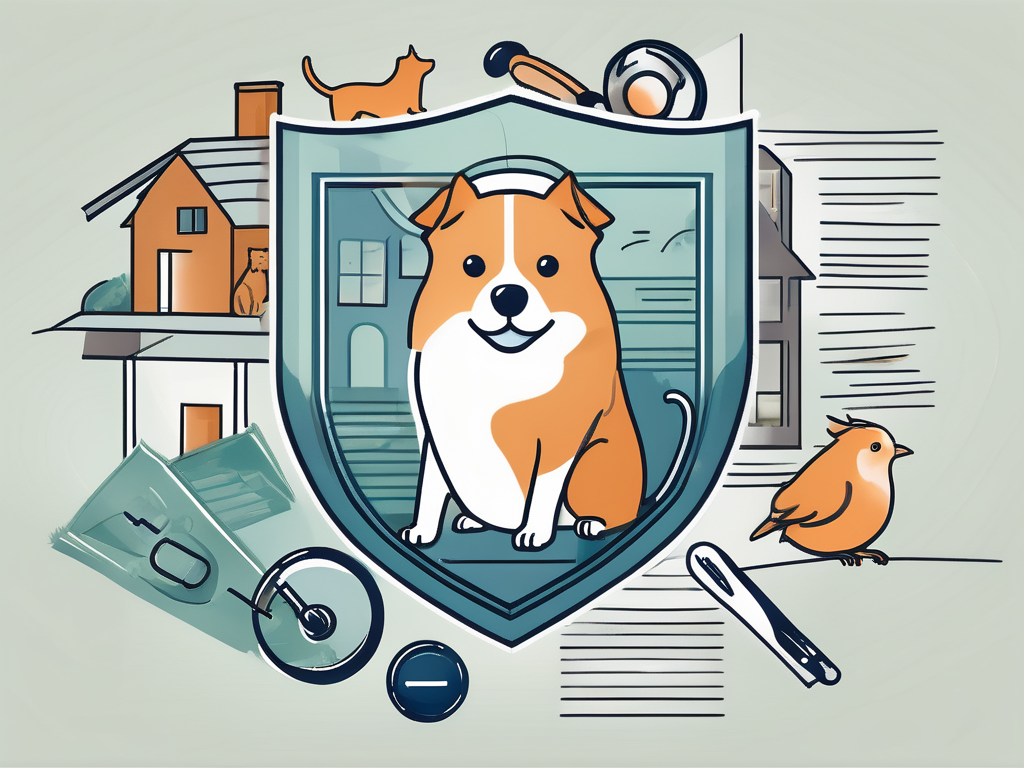
Pet insurance is a type of insurance coverage that helps pet owners manage the costs of veterinary care. It works similarly to human health insurance, providing financial protection in case your pet needs medical treatment due to accidents, injuries, or illnesses.

When you have pet insurance, you can take your furry friend to the vet without the added stress of wondering how you will cover the expenses. This can be especially comforting in emergency situations when quick decisions need to be made for your pet’s well-being.
Why is Pet Insurance Important?
Pet insurance is important because it gives you peace of mind knowing that you can afford the best medical care for your pet without having to worry about the cost. It allows you to make decisions based on what’s best for your pet’s health, rather than your financial situation.
Furthermore, pet insurance can also cover routine care such as vaccinations, annual check-ups, and preventive treatments. By having this coverage, you are more likely to stay up to date with your pet’s healthcare needs, ultimately leading to a healthier and happier furry companion.
Delving into the Details of Pet Insurance
When it comes to pet insurance, understanding how it works is essential for every pet owner. Pet insurance operates by providing financial coverage for a portion of your pet’s eligible veterinary expenses. This means that when your furry friend requires medical attention, you pay the veterinarian upfront and then submit a claim to your pet insurance provider. The provider will then assess the claim based on your policy’s terms and conditions and reimburse you accordingly.
Moreover, pet insurance offers coverage for a wide array of veterinary expenses to ensure your pet receives the necessary care. This coverage includes but is not limited to accidents, illnesses, surgeries, medications, diagnostic tests, and even preventive care like vaccinations and annual check-ups. It’s important to note that the extent of coverage can vary among different insurance plans, so it’s crucial to carefully review and compare policies before making a decision.
How Does Pet Insurance Work?
Pet insurance works by reimbursing you for a portion of the eligible veterinary expenses. After paying your veterinarian upfront, you can submit a claim to your pet insurance provider, who will review it and reimburse you according to your policy’s terms and conditions.
What Does Pet Insurance Cover?
Pet insurance can cover a wide range of veterinary expenses, including accidents, illnesses, surgeries, medications, diagnostic tests, and even preventive care such as vaccinations and annual check-ups. However, coverage may vary between insurance plans, so it’s crucial to carefully read the policy before choosing one.
The Financial Aspect of Pet Insurance
How Much Does Pet Insurance Cost?
The cost of pet insurance depends on several factors, including your pet’s age, breed, location, and the coverage options you choose. On average, pet insurance can range from $20 to $50 per month. Keep in mind that some insurance providers offer discounts for insuring multiple pets or for enrolling when your pet is young. Additionally, the deductible amount you select can impact your monthly premium – a higher deductible typically means a lower monthly cost. It’s important to carefully review the policy details to understand what is covered and any potential out-of-pocket expenses.
Is Pet Insurance Worth the Investment?
Whether pet insurance is worth the investment depends on your individual circumstances and your pet’s health risks. If you have a young, healthy pet, you might not see the immediate benefits. However, as your pet ages, the likelihood of needing medical care increases, and having insurance can provide significant financial relief. Consider factors such as your budget, your willingness to pay for unexpected vet bills, and the peace of mind that comes with knowing your pet’s health needs are covered. Some pet owners find that having insurance allows them to pursue more treatment options without worrying about the cost, leading to better overall care for their furry companions.
Choosing the Right Pet Insurance
What to Look for in a Pet Insurance Plan?
When choosing a pet insurance plan, it’s essential to consider several factors. Look for coverage that includes accidents, illnesses, and hereditary conditions. Check if the policy has annual limits, reimbursement percentages, waiting periods, and whether it covers pre-existing conditions.
Moreover, it’s important to assess whether the pet insurance plan offers additional benefits such as coverage for prescription medications, alternative therapies like acupuncture or hydrotherapy, and behavioral therapy. Some insurance providers may also include coverage for routine care, such as vaccinations, flea and tick prevention, and annual check-ups. Understanding the full extent of coverage can help you make an informed decision that aligns with your pet’s needs and your budget.
How to Compare Pet Insurance Policies?
Comparing pet insurance policies can be overwhelming, but it’s crucial to do your research. Take the time to read the fine print, compare coverage options and limitations, and check customer reviews and ratings. Additionally, consider reaching out to insurance providers directly to ask any questions or clarifications.
Furthermore, when comparing pet insurance policies, consider the insurance company’s reputation and financial stability. Look for providers with a history of prompt claim processing and excellent customer service. It’s also beneficial to inquire about any discounts available, such as multi-pet discounts or discounts for enrolling online. By conducting a thorough comparison of pet insurance policies, you can ensure that you select a plan that provides comprehensive coverage and peace of mind for your beloved pet.
Dealing with Pet Insurance Claims
How to File a Pet Insurance Claim?
When your pet needs medical care, you can file a pet insurance claim by gathering all the necessary documents, including veterinary bills, medical records, and any supporting documentation. Fill out the claim form provided by your insurance provider, attach the required documents, and submit them either online or by mail.
It’s essential to keep a copy of all the documents you submit for your records. This will help you track the progress of your claim and provide any additional information promptly if requested by the insurance provider. Make sure to follow up on your claim if you don’t receive a response within the expected timeframe to ensure timely processing.
What to Do If Your Claim is Denied?
If your pet insurance claim is denied, don’t panic. Review your policy documents and the denial letter carefully to understand the reason for denial. If you believe the denial is unjustified, you can file an appeal or reach out to your insurance provider’s customer service for further assistance.
When appealing a denied claim, provide any additional information or documentation that supports your case. This could include a second opinion from another veterinarian, more detailed medical records, or any other relevant evidence that strengthens your claim. Being persistent and thorough in your appeal can increase the chances of a successful outcome.
In conclusion, pet insurance offers a way to protect your beloved pet and ease the financial burden of unexpected medical expenses. By understanding the basics of pet insurance, delving into the details, considering the financial aspect, and knowing how to choose the right policy and handle claims, you can make an informed decision that ensures your pet’s well-being and your peace of mind. Remember to research different insurance providers, compare policies, and consult with your veterinarian before making a decision.