
Wildfires have become an increasingly frequent and devastating phenomenon in recent years. The rise in the number and intensity of wildfires is a cause for concern, as it poses serious threats to both human lives and the environment. In order to fully grasp the reasons behind this troubling trend, it is essential to understand the nature of wildfires and the factors that contribute to their occurrence.
Understanding Wildfires: A Brief Overview
Wildfires, also known as forest fires or bushfires, are uncontrolled fires that rapidly spread across vegetation and open landscapes. They are typically fueled by dry weather conditions, strong winds, and an abundance of flammable materials such as dead plants and trees. These fires can spread quickly, engulfing vast areas and posing a significant risk to human settlements and natural ecosystems. To understand why we are experiencing more wildfires, we must delve into the science behind their occurrence.
What Constitutes a Wildfire?
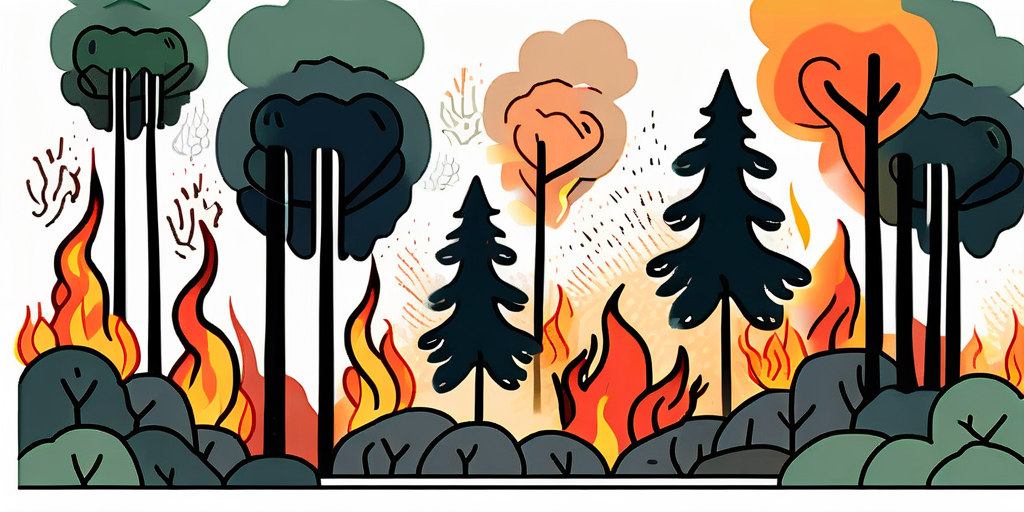
A wildfire occurs when a spark or ignition source combines with the perfect storm of environmental conditions, creating a rapid and uncontrollable flame. The primary factors that contribute to the severity of a wildfire are fuel, weather, and topography. When these elements align, it can result in the ignition and spread of a fire that is difficult to contain.
The Science Behind Wildfires
Wildfires are a natural part of many ecosystems, playing a crucial role in maintaining ecological balance. However, human activities and climate change have significantly amplified their frequency and intensity. The intricate relationship between fire, vegetation, and climate creates a feedback loop that exacerbates the likelihood and severity of wildfires.
The combination of rising temperatures, prolonged droughts, and changing precipitation patterns directly affects the availability of fuel for wildfires. Drier conditions lead to increased levels of dead vegetation, making it easier for fires to ignite and spread. Additionally, the erratic patterns of extreme weather events such as heatwaves and strong winds further contribute to the intensification of wildfires.
Furthermore, the impact of wildfires extends beyond the immediate destruction caused by the flames. The smoke generated by these fires can travel vast distances, affecting air quality and posing health risks to both humans and wildlife. The release of carbon dioxide and other greenhouse gases during a wildfire also contributes to climate change, further exacerbating the conditions that lead to more frequent and intense fires.
Now that we have a basic understanding of wildfires and their scientific underpinnings, it is important to examine the global trends in wildfire occurrences. By analyzing historical data and studying the patterns of fire occurrence, scientists can gain valuable insights into the changing dynamics of wildfires and develop strategies to mitigate their impact on both human and natural systems.
The Rising Trend of Wildfires Globally
Over the years, wildfires have been on the rise worldwide, posing a growing threat to various regions and communities. Understanding the extent of this increase is essential to develop effective strategies for prevention and management.
Wildfires are not only a natural phenomenon but are also exacerbated by human activities such as deforestation, climate change, and land-use practices. These factors create conditions that are conducive to the rapid spread of fires, making it crucial for policymakers and communities to address both the immediate and underlying causes of wildfires.
Wildfire Statistics Over the Years
Recent data reveals a distressing surge in wildfire occurrences across the globe. In the past decade alone, the number of wildfires reported has drastically increased. This upward trend is alarming, as it indicates that the impact of wildfires is intensifying.
One concerning aspect of the wildfire statistics is the lengthening of the wildfire season in many regions. As temperatures rise and precipitation patterns shift due to climate change, the window for wildfire activity widens, putting more areas at risk for longer periods throughout the year.
Regions Most Affected by Wildfires
While wildfires can affect any region, certain areas are particularly prone to their occurrence. Forested regions, such as the Amazon rainforest, boreal forests, and the wildfires disproportionately impact these areas, devastating ecosystems and threatening indigenous communities.
In addition to forested regions, grasslands and shrublands are also highly susceptible to wildfires, especially in arid and semi-arid climates. The unique vegetation in these areas, combined with dry conditions, creates a volatile environment where fires can spread rapidly and with great intensity.
After examining the rising global trend of wildfires, it is crucial to explore the factors that contribute to their increased frequency.
Factors Contributing to Increased Wildfires
The rise in wildfires can be attributed to a combination of human activities and environmental changes. Addressing these factors is crucial to curb this dangerous trend and protect both human lives and the environment.
Climate Change and Wildfires
Climate change plays a significant role in the increased frequency and severity of wildfires. Rising temperatures and changes in precipitation patterns result in drier conditions, making it easier for fires to ignite and spread. The impact of climate change on wildfire patterns is evident in regions such as California, where prolonged droughts and extreme heatwaves have fueled devastating wildfires.
Human Activities and Wildfires
Human activities, particularly those that involve land use and resource extraction, also contribute to the rise in wildfires. Activities such as deforestation, agricultural practices, and urban expansion can create ideal conditions for fires to occur and spread rapidly. Additionally, accidental ignitions, such as discarded cigarette butts or poorly managed campfires, further exacerbate the risk of wildfires.
As we examine the various contributors to the increasing incidence of wildfires, it is crucial to assess the broader impact of these fires on the environment.
One significant environmental impact of wildfires is the destruction of habitats and ecosystems. These fires not only pose a direct threat to wildlife but also lead to long-term consequences such as soil erosion and loss of biodiversity. The recovery of these ecosystems after a wildfire can take years, further emphasizing the need for proactive measures to prevent such disasters.
Moreover, the smoke and ash produced by wildfires can have far-reaching effects on air quality and public health. The particles released during a fire can exacerbate respiratory conditions and pose serious health risks, especially for vulnerable populations such as children and the elderly. Monitoring and addressing the air quality impacts of wildfires are essential in safeguarding the well-being of communities affected by these natural disasters.
The Ecological Impact of Wildfires
Wildfires have far-reaching consequences for both flora and fauna, radically altering ecosystems and biodiversity. Understanding these impacts is vital for effective fire management and ecological restoration.
One of the lesser-known effects of wildfires is their impact on soil composition. The intense heat generated during a fire can alter the physical and chemical properties of the soil, making it less fertile and more prone to erosion. This can have cascading effects on plant growth and water quality in the affected areas, further disrupting the delicate balance of the ecosystem.
Effects on Flora and Fauna
While the immediate impact of wildfires includes the destruction of vegetation and the loss of habitat, fires also play a role in stimulating regeneration and creating favorable conditions for certain plant species. However, the severity and frequency of wildfires can exceed the capacity of ecosystems to recover, resulting in significant loss of biodiversity and long-term ecological consequences.
In addition to direct harm to wildlife, wildfires can also disrupt crucial ecological processes such as pollination and seed dispersal. This can have lasting effects on the reproductive success of plant species and the overall resilience of the ecosystem.
Long-Term Environmental Consequences
Wildfires can leave behind a legacy of environmental changes that persist long after the flames have been extinguished. The loss of vegetation exposes the soil to erosion and increases the risk of landslides. Moreover, the release of greenhouse gases during wildfires contributes to climate change, further exacerbating the conditions that lead to more frequent fires.
Now that we have examined the ecological impact of wildfires, let us explore their socioeconomic implications.
The Socioeconomic Impact of Wildfires
Wildfires have significant repercussions on local communities and economies, creating immense challenges that require immediate attention and support.
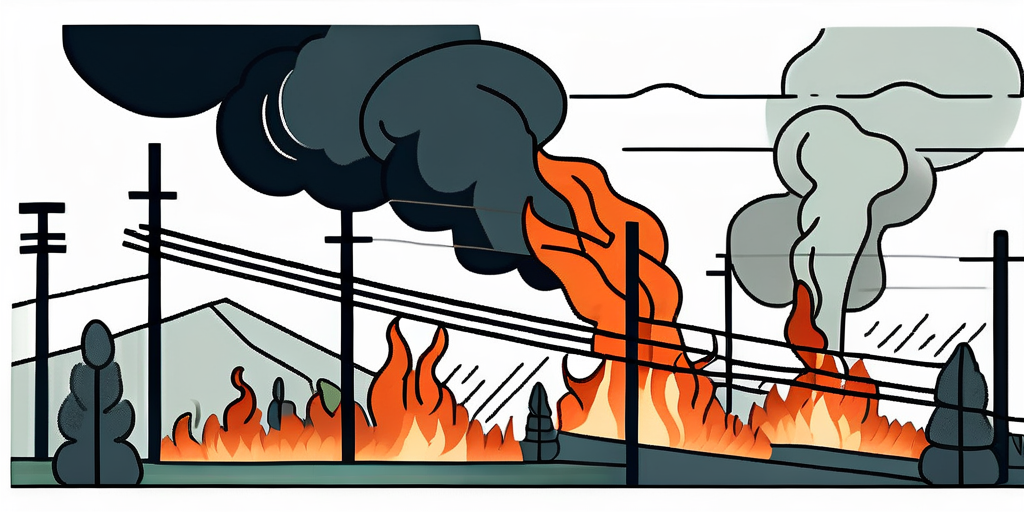
Wildfires are not only destructive in terms of physical damage but also have profound social and psychological impacts on local communities. The displacement of residents, loss of homes, and disruption of daily life can lead to increased stress, anxiety, and trauma among individuals. Communities often come together in the face of such disasters, showcasing resilience and solidarity in rebuilding their lives.
Impact on Local Communities
Wildfires can have devastating effects on communities, displacing residents and causing immense psychological distress. The destruction of homes, infrastructure, and businesses disrupts the normal functioning of communities, leading to long-term economic and social consequences.
Moreover, the aftermath of wildfires can strain social services and support systems, as communities struggle to provide aid and resources to those in need. The rebuilding process is not just about physical reconstruction but also about healing and restoring a sense of normalcy for those affected.
Economic Costs of Wildfires
The economic costs of wildfires are substantial, encompassing both immediate expenses and long-term economic impacts. Emergency response efforts, property damage, and the loss of productive forests or agricultural land contribute to the financial burden placed on communities and governments. Additionally, the loss of tourism and reduced economic activity in fire-affected regions further compound the economic costs.
Furthermore, the environmental impact of wildfires extends beyond the immediate destruction, affecting air and water quality, wildlife habitats, and overall ecosystem health. The long-term consequences of these environmental changes can have ripple effects on industries reliant on natural resources, such as agriculture, forestry, and tourism.
In conclusion, the rising trend of wildfires represents a pressing challenge that requires urgent attention and action. By understanding the factors contributing to their occurrence, we can implement strategies to mitigate their impact, safeguard our ecosystems, and protect the well-being of communities at risk. Addressing the root causes of wildfires, including climate change and human activities, is crucial in preventing further escalation of this destructive trend.