
Insurance is a crucial aspect of our lives that provides protection and peace of mind in uncertain times. Whether it’s health, life, auto, or homeowners insurance, understanding how insurance works is essential. In this article, we will explore the basics of insurance, the different types available, the process of getting insured, and how insurance claims work.
Understanding the Basics of Insurance
What is Insurance?
Insurance is a contract between an individual or business and an insurance company, where the insured pays a premium in exchange for financial protection against certain risks. The insurance company agrees to cover the costs associated with specific events outlined in the policy.

Insurance comes in various forms, such as life insurance, health insurance, property insurance, and more. Each type of insurance serves a different purpose and provides coverage for distinct risks. For example, life insurance offers financial support to the beneficiaries of the insured in the event of their death, while health insurance helps cover medical expenses incurred due to illnesses or injuries.
The Importance of Having Insurance
Having insurance is vital because it safeguards us and our assets from unforeseen circumstances. It provides a safety net during challenging times and helps mitigate financial burdens that may arise due to accidents, illnesses, or other unfortunate events.
Moreover, insurance promotes financial stability and peace of mind. By having the right insurance coverage, individuals and businesses can protect their hard-earned assets and investments. Insurance also plays a crucial role in risk management by spreading the financial impact of unexpected events across a larger group of policyholders, reducing the burden on any single entity.
Different Types of Insurance
Health Insurance
Health insurance is designed to cover medical expenses, protecting individuals and families from the high costs of healthcare. It typically includes coverage for doctor visits, hospital stays, medications, surgeries, and preventive care.

Furthermore, health insurance can vary widely in terms of coverage and cost. Some plans may have higher premiums but lower out-of-pocket expenses, while others may have lower premiums but higher deductibles. It’s essential for individuals to carefully review and compare different health insurance options to find a plan that best fits their needs and budget.
Life Insurance
Life insurance is a policy that pays out a death benefit to beneficiaries upon the insured person’s death. It provides financial support to loved ones, ensuring that they are taken care of in the event of the policyholder’s passing.
Moreover, life insurance can be an essential financial planning tool, providing peace of mind and financial security to dependents. There are different types of life insurance policies, such as term life and whole life, each with its own set of benefits and considerations. It’s crucial for individuals to assess their financial goals and family’s needs when selecting a life insurance policy.
Auto Insurance
Auto insurance protects against financial loss due to damage or theft of a vehicle. It can also provide coverage for injuries sustained in an accident. Auto insurance is often required by law and offers different types of coverage, such as liability, collision, and comprehensive.
Additionally, auto insurance premiums can be influenced by various factors, including the driver’s age, driving record, type of vehicle, and location. Understanding the different components of auto insurance coverage and how they work together can help individuals make informed decisions when choosing a policy that provides adequate protection at a reasonable cost.
Homeowners Insurance
Homeowners insurance safeguards one of our most significant investments – our homes. It provides coverage for damages caused by fire, theft, storms, or other disasters. It also includes liability protection if someone gets injured on the property.
Furthermore, homeowners insurance can offer additional coverage options, such as coverage for personal belongings, additional living expenses if the home becomes uninhabitable, and liability protection for incidents that occur both on and off the property. Understanding the specific coverage limits and exclusions of a homeowners insurance policy is crucial for homeowners to ensure they are adequately protected in various scenarios.
The Process of Getting Insured
Getting insured is a significant step towards securing your financial future and protecting yourself from unexpected events. Understanding the process involved in obtaining insurance can help you make informed decisions and choose the right coverage for your needs.
Choosing the Right Insurance Plan
When selecting an insurance plan, it’s vital to assess your needs and consider factors such as coverage limits, deductibles, and premiums. Research different insurance providers, compare plans, and choose the one that offers the best value for your specific situation. Keep in mind that insurance needs can vary based on factors like age, health status, and lifestyle, so it’s essential to tailor your coverage to fit your individual circumstances.
Additionally, consider reaching out to insurance agents or brokers who can provide personalized guidance and help you navigate the complexities of insurance policies. They can offer insights into available options, explain technical jargon, and assist you in making well-informed choices.
Applying for Insurance
Once you have identified the right insurance plan, you can start the application process. It involves filling out forms, providing necessary information, such as personal details, medical history, or vehicle specifications, and paying the initial premium. Be thorough and accurate in your application to avoid delays or potential issues during the underwriting process.
Remember that the underwriting process is crucial for insurance companies to assess risk and determine the appropriate premium for your coverage. Depending on the type of insurance you are applying for, underwriting may involve reviewing your medical records, conducting inspections, or assessing your driving history.
Understanding Your Insurance Policy
After being approved for insurance, it is crucial to carefully read and understand your policy. Familiarize yourself with the coverage, exclusions, limitations, and any additional terms. Knowing the details of your policy will ensure that you make informed decisions and avoid misunderstandings in the future.
Take note of important policy features such as grace periods for premium payments, procedures for filing claims, and any renewal conditions. It’s also advisable to keep your insurance documents in a safe and easily accessible place for future reference. In case of any uncertainties or queries regarding your policy, don’t hesitate to contact your insurance provider for clarification.
How Insurance Claims Work
Filing an Insurance Claim
In the event of an incident covered by your insurance policy, you can file a claim with your insurance company. This involves notifying them of the incident, providing the necessary documentation, such as police reports or medical records, and working with the claims adjuster to assess the damages or losses.
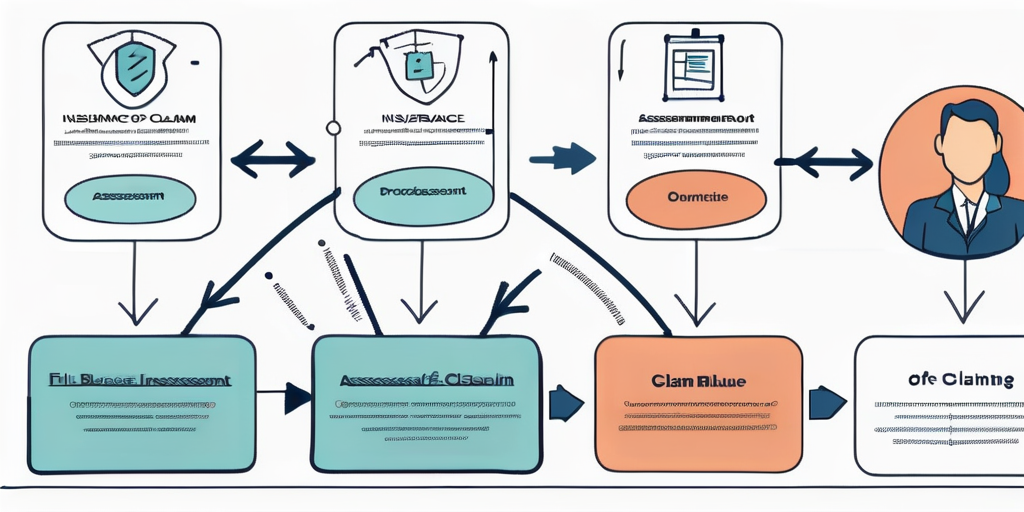
It’s important to note that the process of filing an insurance claim can vary depending on the type of insurance you have. For example, filing a health insurance claim may require submitting medical bills and treatment records, while filing a car insurance claim may involve providing repair estimates and photos of the damage. Understanding the specific requirements of your insurance policy can help streamline the claims process and ensure a quicker resolution.
The Role of Insurance Adjusters
Insurance adjusters evaluate insurance claims to determine the extent of coverage and the appropriate compensation. They investigate the incident, collect relevant information, and collaborate with all parties involved to oversee a fair settlement process.
Insurance adjusters play a crucial role in the claims process by acting as impartial third parties who assess the validity of a claim. Their expertise in evaluating damages and interpreting insurance policies helps ensure that both the insurance company and the insured are treated fairly throughout the claims process. By working closely with insurance adjusters and providing accurate information, policyholders can expedite the claims process and reach a satisfactory resolution sooner.
Settlement of Insurance Claims
Once the insurance company and the insured agree on the claim settlement, the insurance company will provide the agreed-upon compensation. The settlement can be in the form of a lump sum payment or periodic payments, depending on the policy terms and the nature of the claim.
It’s essential for policyholders to review the terms of their insurance policy carefully to understand how claim settlements are determined. Some policies may have limits on coverage amounts or specific conditions that affect the payout structure. By being aware of these details, policyholders can manage their expectations regarding claim settlements and ensure they have adequate coverage for potential losses.
Understanding how insurance works is crucial for making informed decisions when it comes to protecting yourself, your loved ones, and your assets. By familiarizing yourself with the basics, different types, and the claims process, you can navigate the insurance world confidently and secure the necessary coverage to ensure your peace of mind.