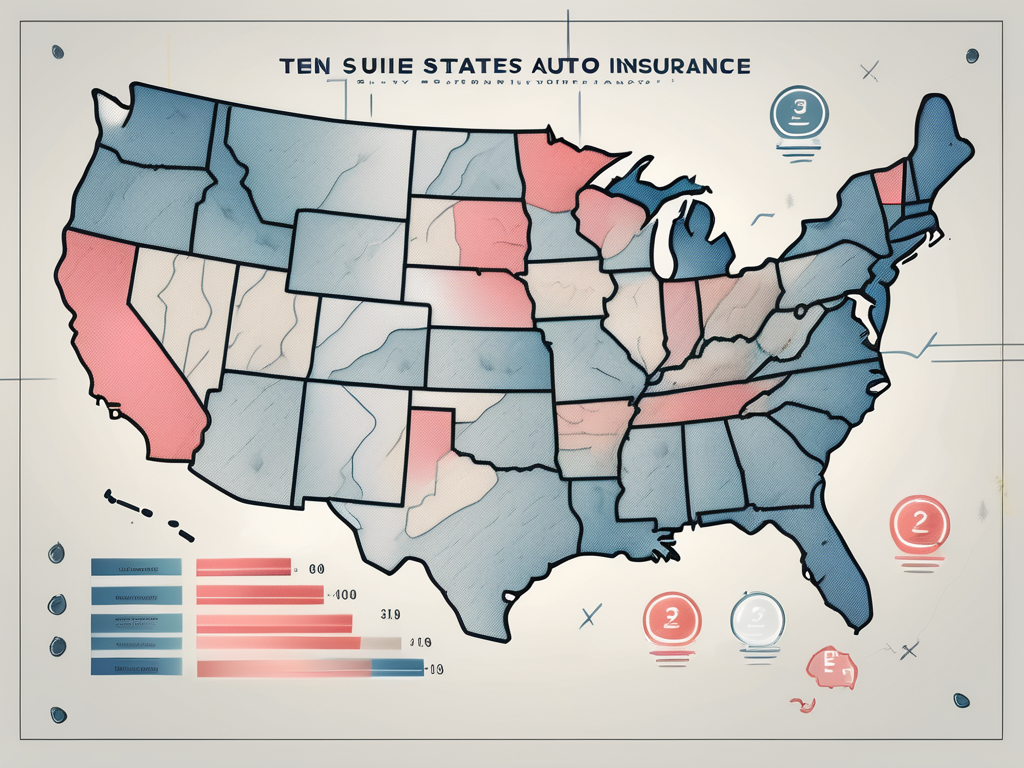
Auto insurance rates can vary significantly from state to state, and understanding why certain states have higher rates can help drivers make informed decisions. In this article, we will delve into the top 10 most expensive states for auto insurance and explore the factors influencing these costs. We will also provide tips on navigating high insurance costs and discuss the future trends in auto insurance rates. So, let’s get started!
Understanding Auto Insurance Rates
Auto insurance rates are determined by several factors, including your age, driving history, type of vehicle, and where you live. However, the state you reside in plays a significant role in shaping your insurance premiums. Various state laws, regional differences, and urban versus rural areas all contribute to the overall cost of auto insurance.
When it comes to auto insurance rates, it’s not just about your personal driving record. Factors such as population density, crime rates, weather conditions, traffic congestion, and the number of uninsured drivers in your area all play a crucial role in determining how much you’ll pay for coverage. These external factors can significantly impact the likelihood of accidents and claims, which in turn affects insurance premiums.
Factors Influencing Auto Insurance Costs
Several factors can impact auto insurance costs. These include:
- Population density
- Crime rates
- Weather conditions
- Traffic congestion
- Number of uninsured drivers
High population density and congested urban areas tend to have higher insurance rates due to increased accident risks. Additionally, states with high crime rates or severe weather conditions may also experience higher insurance costs.
Moreover, the prevalence of uninsured drivers in a state can also drive up insurance rates for everyone else. When there are more uninsured motorists on the road, the financial burden of accidents often falls on insured drivers and their insurance companies, leading to higher premiums across the board.
How State Laws Impact Insurance Rates
State laws and regulations can have a significant impact on auto insurance rates. Some states require higher minimum coverage limits, which can increase premiums. Others may have more lenient laws or regulations, resulting in lower costs. Understanding your state’s insurance laws is essential when considering insurance options.
Additionally, states may have different regulations regarding how insurance companies can calculate rates, leading to variations in pricing strategies. For example, some states allow insurers to consider credit scores when determining premiums, while others prohibit this practice. These regulatory differences can lead to disparities in insurance costs between states, making it crucial for consumers to be aware of the specific laws governing auto insurance in their area.
The Cost of Auto Insurance Across the United States
The cost of auto insurance can vary greatly depending on the state you reside in. Let’s explore the regional differences in auto insurance costs and how urban versus rural areas can affect rates.
Auto insurance premiums are influenced by a multitude of factors, including state regulations, population density, and even weather patterns. States like Michigan and Louisiana often have higher insurance rates due to factors such as high numbers of uninsured drivers and no-fault insurance laws. Conversely, states like Vermont and North Carolina tend to have lower insurance premiums, attributed to their lower population density and fewer instances of insurance fraud.
Regional Differences in Auto Insurance Costs
When comparing auto insurance costs across regions, it becomes evident that certain areas have higher rates than others. Factors such as the cost of living, average income levels, and local insurance market dynamics can all contribute to these discrepancies.
Additionally, the level of competition among insurance providers in a particular region can impact the pricing of auto insurance. States with a higher number of insurance companies competing for business tend to have lower premiums as companies strive to attract customers with competitive rates and discounts.
Urban vs. Rural Insurance Rates
Insurance rates also differ between urban and rural areas. Urban residents might face higher rates due to increased traffic, higher crime rates, and greater chances of accidents. On the other hand, rural residents may experience lower rates due to fewer traffic incidents and a generally lower risk profile.
Moreover, the type of coverage required in urban areas compared to rural areas can also affect insurance costs. Urban drivers may opt for comprehensive coverage to protect against theft and vandalism, while rural drivers might prioritize coverage for collisions with wildlife or livestock commonly found in rural areas.
Detailed Look at the Top 10 Most Expensive States
Now, let’s take a closer look at the top 10 most expensive states for auto insurance and explore the reasons behind their high rates.
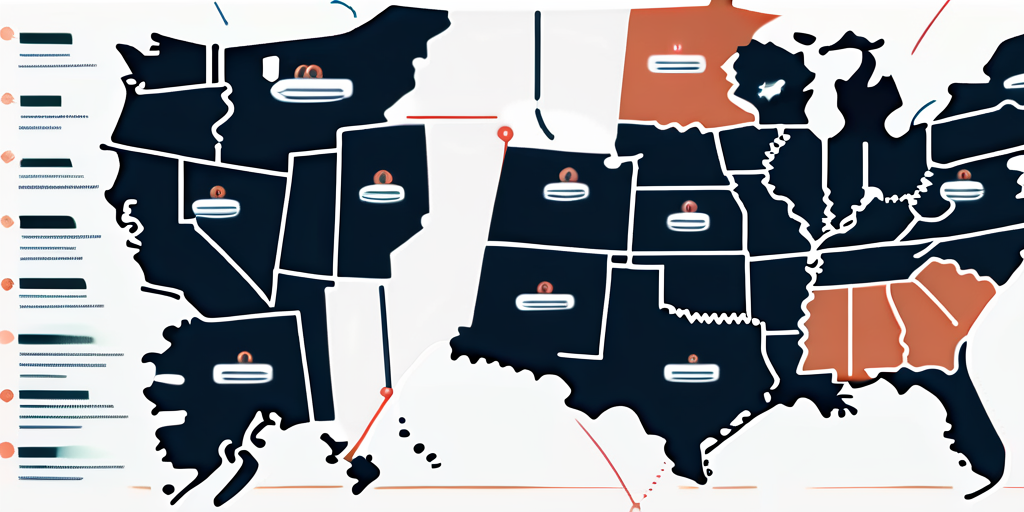
Understanding the intricacies of auto insurance pricing can shed light on why certain states consistently rank among the most expensive in the country. Factors such as population density, traffic congestion, and weather patterns all play a role in determining insurance premiums. Let’s delve deeper into the specifics of each state to uncover the nuances that contribute to their high insurance costs.
State 1: Overview and Reasons for High Rates
State 1 consistently ranks among the states with the highest auto insurance rates. Factors such as a high number of uninsured drivers and frequent severe weather events contribute to the increased costs.
Additionally, State 1’s urban areas experience higher rates of vehicle theft and vandalism, leading insurance companies to adjust their premiums to account for these risks. The state’s unique geographical features, such as mountainous terrain or coastal regions, can also impact insurance rates due to the increased likelihood of accidents in these areas.
State 2: Overview and Reasons for High Rates
State 2 also falls within the top 10 most expensive states for auto insurance. High population density and congested urban areas result in more accidents and, subsequently, higher insurance rates.
Moreover, State 2’s proximity to major highways and interstates can lead to a higher frequency of collisions and, consequently, greater insurance payouts. The state’s regulatory environment and legal framework may also influence insurance costs, as certain laws and regulations can impact the claims process and settlement amounts.
State 3: Overview and Reasons for High Rates
In State 3, insurance rates remain consistently high due to a combination of factors, including a high crime rate and strict insurance laws.
Furthermore, State 3’s urban centers face challenges such as traffic congestion and limited parking, which can contribute to a higher number of accidents and claims. The state’s demographic makeup, including the age and driving habits of its residents, can also affect insurance premiums, as certain groups may pose a higher risk to insurers.
How to Navigate High Insurance Costs
Although being in one of the top 10 most expensive states for auto insurance may seem daunting, there are ways to manage and navigate high insurance costs.
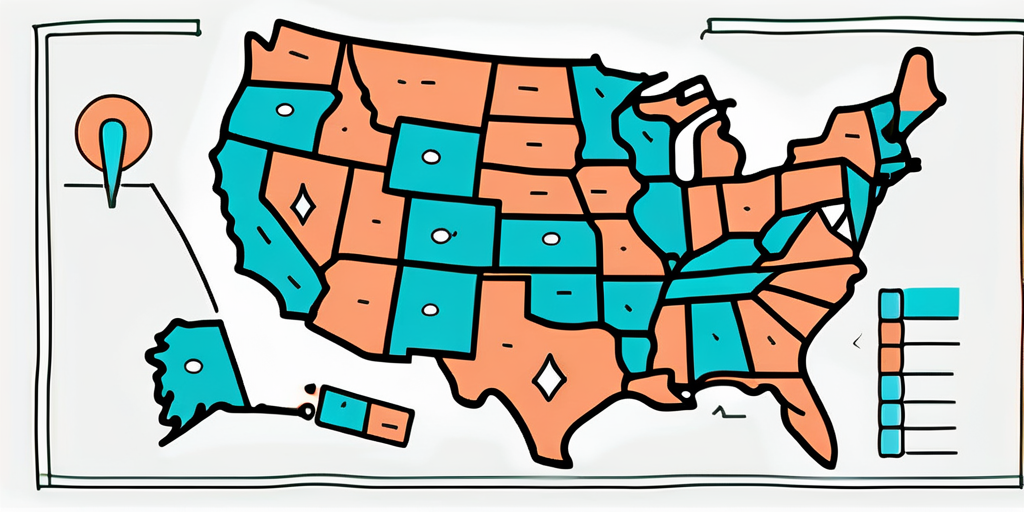
When faced with high insurance costs, it’s essential to explore all available options to find the most cost-effective solution for your needs. While the initial premium might seem steep, taking proactive steps can lead to significant savings in the long run.
Tips for Finding Affordable Auto Insurance
Shopping around for insurance quotes from multiple providers and comparing coverage options can help find affordable rates. Additionally, maintaining a good driving record and taking advantage of discounts for safe driving habits or bundling multiple policies can help lower premiums.
Moreover, consider adjusting your coverage limits and deductibles to strike a balance between protection and cost. Higher deductibles typically result in lower premiums, but it’s crucial to ensure you can afford the out-of-pocket costs in case of an accident.
Understanding Discounts and Bundling Options
Many insurance companies offer discounts for certain criteria, such as having a clean driving record, taking driver’s education courses, or bundling multiple insurance policies like home and auto. Understanding these discounts and maximizing their benefits can help mitigate high insurance costs.
Furthermore, some insurers provide usage-based insurance programs that track your driving habits through a mobile app or device. By demonstrating safe driving behaviors, such as avoiding hard braking or late-night trips, you may qualify for additional discounts based on your actual driving performance.
The Future of Auto Insurance Costs
Auto insurance costs are not static, and industry trends can provide insights into what the future holds for drivers.
Predicted Trends in Auto Insurance Rates
Experts predict that auto insurance rates will continue to rise due to an increase in the cost of vehicle repairs, medical expenses, and advancements in automotive technology. Additionally, economic factors and changes in insurance regulations can also influence future rates.
The Impact of Technology on Auto Insurance Costs
Technological advancements, such as telematics and self-driving cars, can potentially impact auto insurance costs. While certain technologies, like telematics-based insurance, can reward safe driving and reduce costs, the introduction of autonomous vehicles may bring changes that could affect rates in the future.
Moreover, the rise of electric vehicles (EVs) in the automotive market could also impact auto insurance costs. While EVs are known for their eco-friendly nature and lower maintenance costs, their repair expenses can be higher due to specialized parts and technology. Insurers may need to adjust their coverage and pricing models to accommodate the unique characteristics of EVs, ultimately influencing insurance rates for drivers of these vehicles.
As the auto industry continues to evolve, factors such as climate change and extreme weather events can also play a role in shaping auto insurance costs. With the increasing frequency of natural disasters and their impact on vehicle damage, insurers may need to reassess risk models and coverage options, potentially leading to adjustments in insurance premiums for drivers in vulnerable regions.
In conclusion, understanding the factors influencing auto insurance rates and the reasons why certain states have higher rates is crucial for drivers looking to navigate high insurance costs. By exploring the top 10 most expensive states for auto insurance, tips for finding affordable insurance, and keeping an eye on future trends, drivers can make informed decisions to mitigate expenses. Stay informed, stay safe, and make the best choices when it comes to your auto insurance needs.
Leave a Reply