Fire insurance is a vital component of protecting your assets. It can provide financial coverage and peace of mind in the face of unforeseen fire incidents. Understanding the importance of fire insurance is essential for every property owner. This article will explore the various aspects of fire insurance, its role in asset protection, key features of fire insurance policies, how to choose the right insurance provider, and the long-term benefits that fire insurance can bring.
Understanding Fire Insurance
Fire insurance is a type of property insurance that provides coverage against damages caused by fire. It ensures that the policyholder receives compensation in the event of fire-related incidents, helping them recover their financial losses.
But fire insurance is not just about financial protection. It also provides peace of mind to property owners, knowing that they have a safety net in case of a fire emergency. With fire insurance, they can focus on rebuilding and recovering, rather than worrying about the financial burden.
So, how does fire insurance work? When a property owner purchases a fire insurance policy, they pay a premium to the insurance company. In return, the insurance company agrees to cover the costs of repairing or rebuilding the property in case of fire damage, up to the policy’s coverage limit.
Fire insurance policies typically cover not only the structure of the property but also its contents. This means that not only will the policyholder receive compensation for the damage to the building itself, but also for the loss of personal belongings and other assets inside the property.
Why is Fire Insurance Necessary?
Fire insurance is necessary because fires can cause devastating damage to both residential and commercial properties. The cost of rebuilding or repairing a fire-damaged property can be astronomical, putting immense financial strain on the property owner. Fire insurance offers protection and helps mitigate these financial risks.
But fire insurance is not just about financial protection. It also plays a crucial role in the overall risk management strategy for property owners. By having fire insurance, property owners can transfer the risk of fire damage to the insurance company, reducing their own exposure to potential losses.
Furthermore, fire insurance is often a requirement for obtaining a mortgage or a loan for a property. Lenders want to ensure that their investment is protected, and fire insurance provides that assurance. Without fire insurance, it may be challenging for property owners to secure financing for their property.
Fire insurance also promotes responsible behavior among property owners. Knowing that they have insurance coverage encourages property owners to take preventive measures to reduce the risk of fire. This can include installing fire alarms, sprinkler systems, and fire-resistant materials, all of which can help minimize the chances of a fire and its potential damage.
Additionally, fire insurance can provide coverage for additional living expenses in case a property becomes uninhabitable due to fire damage. This means that if a fire renders a property temporarily uninhabitable, the policyholder can receive compensation for the costs of alternative accommodation, meals, and other necessary expenses.
In conclusion, fire insurance is not just a financial safety net. It is a crucial component of risk management for property owners, providing them with peace of mind, financial protection, and incentives for responsible behavior. By understanding the importance of fire insurance, property owners can make informed decisions to protect their valuable assets.
The Role of Fire Insurance in Asset Protection
How Fire Insurance Protects Your Assets
Fire insurance acts as a shield for your assets by providing financial support to rebuild or repair your property in the aftermath of a fire. It covers not only the structure of the building but also the belongings and contents within it. This protection extends to both homeowners and business owners, ensuring that they can recover and restore their assets without bearing the full burden of the financial consequences.

When a fire breaks out, it can cause devastating damage to a property. The flames can engulf the structure, leaving it in ruins. The intense heat can melt or warp materials, rendering them useless. Smoke and soot can seep into every nook and cranny, leaving behind a layer of residue that is difficult to remove. Water from firefighting efforts can saturate the building, causing further damage. In such a situation, fire insurance plays a crucial role in providing the necessary funds to repair or rebuild the property.
Not only does fire insurance cover the physical structure, but it also extends its protection to the belongings and contents within the property. This means that if your home or business is affected by a fire, you can receive compensation for the loss or damage of your furniture, appliances, electronics, inventory, and other valuable items. Without fire insurance, the financial burden of replacing these items would fall solely on the property owner, which can be a significant setback.
The Financial Impact of Fire Damage Without Insurance
Without fire insurance, the financial impact of fire damage can be overwhelming. Property owners would have to bear all the expenses out of pocket, potentially draining their savings, taking on significant debt, or even facing bankruptcy. The cost of rebuilding or repairing a property after a fire can be exorbitant, especially if the damage is extensive.
When a fire occurs, the property owner not only has to deal with the loss of their physical assets but also the potential loss of income. For business owners, the closure of their establishment due to fire damage can result in a significant loss of revenue. Without insurance, they would have to cover the costs of rebuilding, restocking inventory, and advertising to regain their customer base.
In addition to the immediate financial impact, the absence of fire insurance can have long-term consequences. Without the necessary funds to repair or rebuild, the property may remain in a state of disrepair, affecting its value and potentially leading to further financial difficulties. Moreover, without insurance, property owners may find it challenging to secure loans or mortgages in the future, as lenders often require fire insurance as a condition.
Fire insurance acts as a safety net, reducing the financial fallout and helping property owners get back on their feet. It provides peace of mind, knowing that in the event of a fire, the financial burden will be lessened, allowing individuals and businesses to focus on the process of recovery and rebuilding. Investing in fire insurance is a proactive step towards protecting your assets and ensuring their long-term viability.
Key Features of Fire Insurance Policies
Fire insurance policies are designed to provide coverage for damages caused directly by fire. These policies typically include coverage for the structure of the property, personal belongings, and additional expenses incurred due to fire-related incidents. This comprehensive coverage ensures that policyholders are protected from the financial burden that a fire can cause.
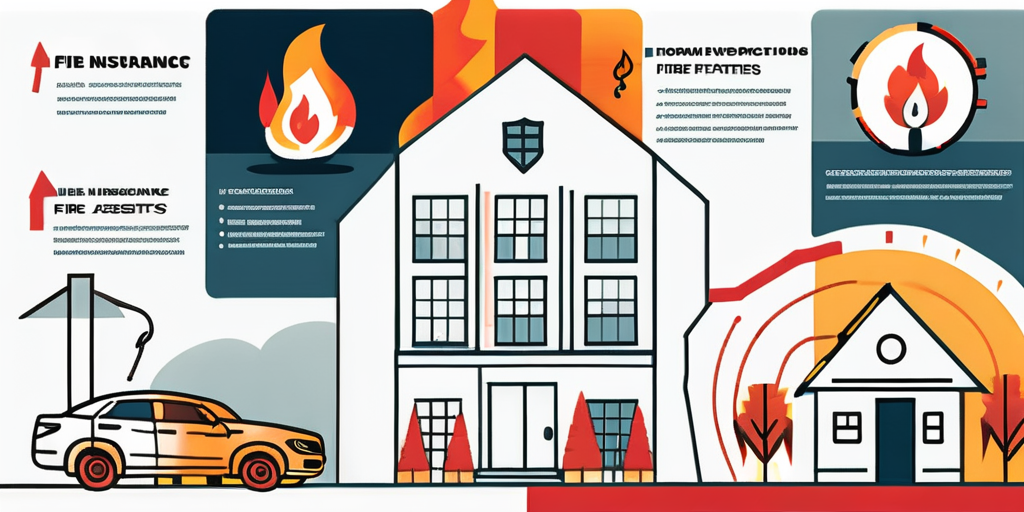
When reviewing a fire insurance policy, it is important to carefully examine the coverage details to understand what is included and what is not. While fire insurance policies generally cover damages caused by fire, there may be certain items or circumstances that are excluded from coverage. For example, intentional damages or damages caused by arson may not be covered by the policy.
Coverage Details: What’s Included and What’s Not
Fire insurance policies typically provide coverage for the following:
- The structure of the property: This includes the building itself, as well as any attached structures such as garages or sheds.
- Personal belongings: Fire insurance policies often cover the cost of repairing or replacing personal belongings that have been damaged or destroyed by fire.
- Additional expenses: In the event of a fire, policyholders may incur additional expenses such as temporary accommodation or the cost of hiring a professional cleaning service. Fire insurance policies may include coverage for these additional expenses.
However, it is important to note that there may be certain exclusions or limitations to the coverage provided by a fire insurance policy. It is crucial to carefully review the policy documents and consult with the insurance provider to fully understand the extent of coverage and any potential exclusions.
Understanding the Claims Process
When it comes to fire insurance, understanding the claims process is essential. In the unfortunate event of a fire, knowing the necessary steps to take, the documentation required, and the timeframe for filing a claim can help expedite the insurance payout and facilitate the recovery process.
The claims process typically involves the following steps:
- Notify the insurance provider: As soon as a fire occurs, it is important to notify the insurance provider immediately. This allows them to initiate the claims process and provide guidance on the next steps.
- Document the damages: It is crucial to document the damages caused by the fire. This can be done by taking photographs or videos of the affected areas and items. Keeping a detailed inventory of damaged belongings can also help in the claims process.
- File a claim: Once the damages have been documented, policyholders need to file a claim with their insurance provider. This typically involves completing a claims form and providing supporting documentation, such as photographs, receipts, or estimates for repairs.
- Cooperate with the insurance adjuster: After filing a claim, an insurance adjuster will be assigned to assess the damages and determine the appropriate compensation. It is important to cooperate fully with the adjuster and provide any additional information or documentation they may require.
- Review the settlement offer: Once the insurance adjuster has completed their assessment, they will provide a settlement offer. Policyholders should carefully review the offer and consult with their insurance provider or a professional if they have any concerns or questions.
By familiarizing themselves with the claims process, policyholders can ensure a smoother and more efficient experience when filing a fire insurance claim. Being prepared and understanding the necessary steps can help expedite the insurance payout and facilitate the recovery process.
Choosing the Right Fire Insurance
Factors to Consider When Selecting a Policy
When choosing a fire insurance policy, several factors come into play. These include the coverage provided, the reputation and financial stability of the insurance provider, the deductibles and premiums, and any additional benefits or discounts offered. Property owners should carefully evaluate these factors before making a decision.
Tips for Comparing Fire Insurance Providers
Comparing fire insurance providers can be overwhelming, but a few tips can help simplify the process. Research the track record and customer reviews of different insurance companies. Obtain multiple quotes and compare coverage and pricing. Don’t forget to read the fine print to ensure there are no hidden clauses or exclusions that may impact your coverage.
The Long-Term Benefits of Fire Insurance
Peace of Mind and Financial Security
One of the most significant long-term benefits of fire insurance is peace of mind and financial security. Knowing that you are protected against fire-related losses allows you to focus on other aspects of life or business without constant worry. Fire insurance provides reassurance that, in the unfortunate event of a fire, your assets are protected, reducing stress and anxiety.
Fire Insurance as a Wise Investment for Property Owners
Consider fire insurance as a wise investment rather than an unnecessary expense. In the long run, the cost of fire insurance premiums is minimal compared to the potential financial devastation caused by an uninsured fire incident. It is a small price to pay for the protection it provides, ensuring the preservation of your assets and your own financial stability.
In conclusion, fire insurance is crucial in safeguarding your assets from the devastating impact of fire incidents. Understanding the fundamentals, including its purpose, coverage details, and claims process, empowers property owners to make informed decisions. By selecting the right fire insurance policy and provider, you can ensure greater peace of mind and long-term financial security. Remember, fire insurance is not just an expense but a wise investment in protecting your valuable assets.
Leave a Reply