
Wildfires are a natural disaster that can have catastrophic consequences. They can spread rapidly, destroying homes, businesses, and vast areas of land. As the incidence of wildfires continues to rise, it is crucial for individuals and communities to understand the importance of having proper insurance coverage. This article will delve into the impact of wildfires, the role of insurance in wildfire recovery, evaluating insurance needs, the process of filing a claim, and the future of wildfire insurance.
Understanding Wildfires and Their Impact
Wildfires have become an increasingly common occurrence in recent years. Climate change, prolonged periods of drought, and human activities have contributed to the rising incidence of wildfires. These infernos can cause immense damage, leading to the loss of homes, possessions, and even lives. They also result in significant financial burdens for individuals and communities affected by the devastation.
As the world grapples with the effects of climate change, the frequency and intensity of wildfires have reached alarming levels. The combination of dry conditions, high temperatures, and strong winds create an environment where fires can quickly spread and become uncontrollable. The once seasonal occurrence of wildfires has now extended into longer fire seasons, stretching the resources of firefighting agencies to their limits.
When a wildfire strikes, the impact can be devastating. Flames engulf homes, leaving behind only ashes and debris. The destruction extends beyond structural damage, as residents may also lose their personal belongings, treasured memories, and irreplaceable items. The emotional toll of losing one’s home and possessions in a wildfire can be immeasurable, causing trauma and distress that can last for years.
Even if a property survives the fire, it may suffer from smoke and water damage, rendering it uninhabitable. The lingering smell of smoke can permeate every corner of a home, making it difficult to remove and posing health risks to those who return. Water damage from firefighting efforts can also lead to mold growth, further complicating the recovery process.
Communities affected by wildfires face not only the physical and emotional aftermath but also the financial burdens associated with rebuilding and recovery. The cost of rebuilding homes, infrastructure, and public services can be astronomical, straining local economies and resources. Insurance coverage for wildfire-related losses has become critical, as individuals and communities seek protection against the financial devastation caused by these disasters.
The Rising Incidence of Wildfires
In the past few decades, wildfires have become more frequent and intense. The combination of dry conditions, high temperatures, and strong winds create an environment where fires can quickly spread and become uncontrollable. As a result, the need for insurance coverage to protect against wildfire-related losses has become critical.
Efforts to mitigate the risk of wildfires have become a top priority for many regions prone to these disasters. Fire prevention strategies, such as controlled burns and clearing vegetation around homes, aim to reduce the fuel available for fires to spread. Additionally, advancements in technology have allowed for more accurate fire prediction and early warning systems, enabling communities to evacuate in a timely manner and minimize loss of life.
The Devastating Effects of Wildfires
When wildfires strike, the impact can be devastating. Flames engulf homes, leaving behind only ashes and debris. The destruction extends beyond structural damage, as residents may also lose their personal belongings, treasured memories, and irreplaceable items. Even if a property survives the fire, it may suffer from smoke and water damage, rendering it uninhabitable.
Wildfires not only pose immediate dangers but also have long-term effects on the environment. The destruction of vegetation and trees disrupts ecosystems, leading to soil erosion and loss of habitat for wildlife. The release of carbon dioxide and other greenhouse gases during wildfires contributes to climate change, exacerbating the conditions that fuel future fires.
Efforts to rehabilitate areas affected by wildfires involve reforestation and restoration projects. These initiatives aim to restore the natural balance of ecosystems, promote biodiversity, and reduce the risk of future wildfires. However, the recovery process can take years, as damaged landscapes slowly regenerate and ecosystems rebuild.
The Role of Insurance in Wildfire Recovery
Insurance coverage serves as a lifeline for individuals and communities affected by wildfires. It provides financial protection and peace of mind during times of crisis, helping to alleviate the devastating consequences of these natural disasters.
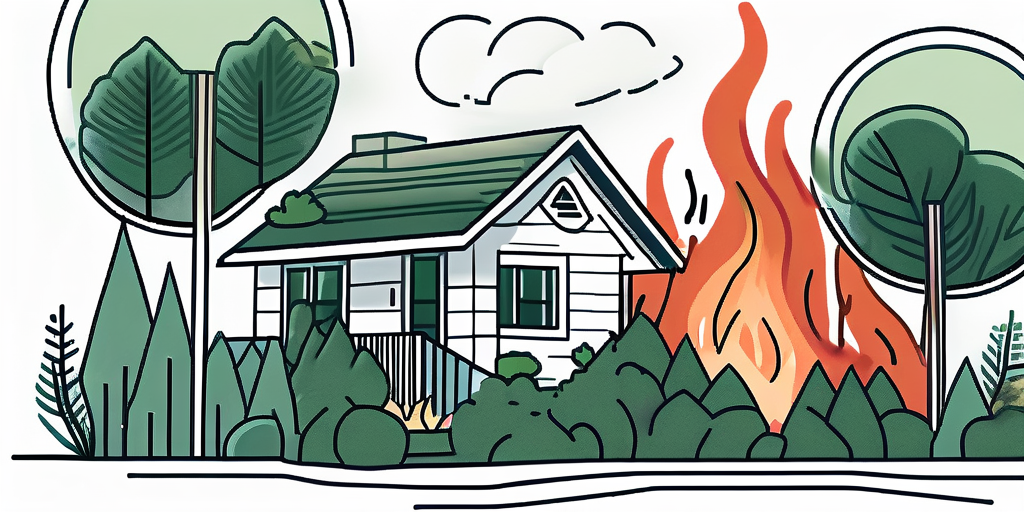
When wildfires strike, the aftermath can be overwhelming. Homes are destroyed, personal belongings are lost, and lives are upended. In such dire circumstances, insurance coverage becomes crucial in helping affected individuals and communities get back on their feet.
Insurance coverage for wildfires typically includes compensation for property damage, loss of personal belongings, additional living expenses, and liability protection. The policyholder pays regular premiums to the insurance company, which in turn provides coverage based on the terms outlined in the policy. This financial safety net ensures that policyholders have the necessary resources to rebuild their lives in the wake of a wildfire.
How Insurance Coverage Works
Understanding how insurance coverage works is essential for individuals seeking protection against wildfires. When purchasing an insurance policy, it is crucial to carefully review the terms and conditions to ensure that it provides adequate coverage for wildfires specifically.
In the event of a wildfire, policyholders can file a claim to receive the necessary financial assistance for recovery. This process involves documenting the extent of the damage, providing evidence of the loss, and working closely with the insurance company to navigate the claims process. While it may seem daunting, insurance companies have dedicated teams to assist policyholders during these challenging times, ensuring a smoother path to recovery.
The Different Types of Wildfire Insurance
There are various types of insurance policies available to protect against wildfires. Homeowners insurance typically covers fire damage, including wildfires, but it is essential to review the policy and ensure that it includes adequate coverage for wildfires specifically.
For individuals residing in high-risk areas prone to wildfires, additional coverage options may be necessary. Wildfire insurance offers specific protection against fire-related losses, providing an extra layer of security for those living in fire-prone regions. This specialized insurance coverage takes into account the unique risks associated with wildfires and provides tailored protection to mitigate potential financial losses.
Moreover, some insurance companies offer comprehensive packages that combine homeowners insurance with wildfire coverage, providing a comprehensive solution for individuals living in high-risk areas. These packages often include additional benefits such as emergency evacuation coverage, debris removal, and even temporary housing assistance.
Having the right insurance coverage in place is crucial for individuals and communities affected by wildfires. It not only provides financial support but also offers peace of mind, knowing that there is a safety net to rely on during times of crisis. As wildfires continue to pose a significant threat to many regions, understanding and securing appropriate insurance coverage is an essential step towards wildfire recovery and resilience.
Evaluating Your Insurance Needs
Assessing your property’s risk and determining the right coverage amount are crucial steps in ensuring adequate protection against wildfires.

Assessing Your Property’s Risk
Understanding the level of risk your property faces when it comes to wildfires is vital in determining the necessary insurance coverage. Factors such as location, proximity to flammable vegetation, and historical wildfire incidents in the area can impact the level of risk. Consulting with insurance professionals and local authorities can provide valuable insights into the specific risks you face.
Determining the Right Coverage Amount
Calculating the right coverage amount requires evaluating the potential cost of rebuilding your home, replacing personal belongings, and covering additional living expenses in the event of a wildfire. It is essential to ensure that the coverage amount accurately reflects the potential loss that could occur in a worst-case scenario.
The Process of Filing a Wildfire Insurance Claim
When faced with the aftermath of a wildfire, it is crucial to understand the steps involved in filing an insurance claim to receive the necessary support.
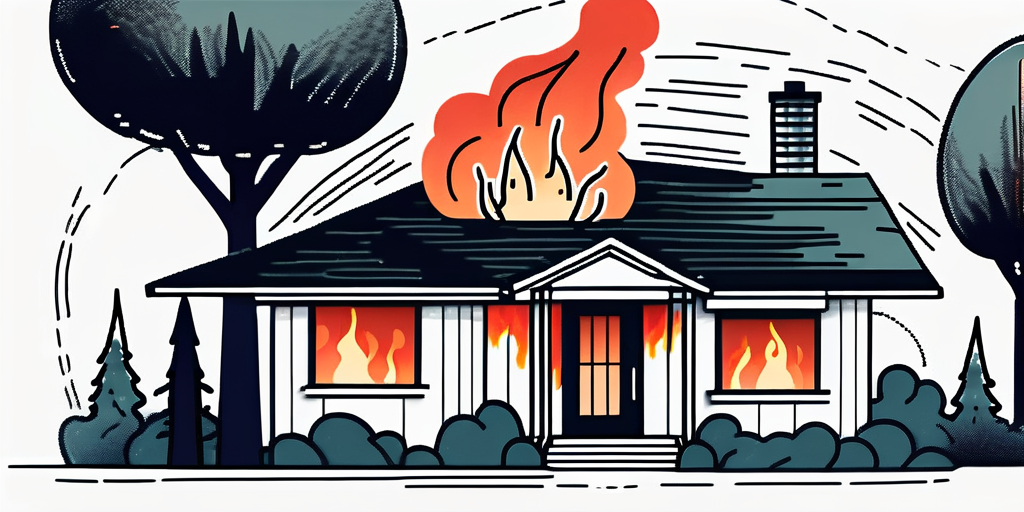
Steps to File a Claim
Start by notifying your insurance company as soon as possible. Document the damage by taking photographs and keeping detailed records of all expenses related to fire-related losses. Provide the insurance company with all the necessary documentation and information required for processing the claim. It is essential to be proactive and follow up with the insurance company to ensure a smooth and efficient claims process.
Dealing with Claim Denials or Disputes
Unfortunately, insurance claims may sometimes be denied or disputed. In such cases, it is important to understand your rights and options. Review the policy thoroughly and consult legal professionals if needed to navigate the claims process and resolve any disagreements.
The Future of Wildfire Insurance
As the incidence and severity of wildfires continue to increase, the insurance industry is evolving to meet these challenges.
Trends in Wildfire Insurance
Insurers are becoming more proactive in assessing wildfire risks and offering innovative coverage options. They are utilizing technology and data to enhance underwriting processes and develop more accurate risk models. Additionally, efforts are being made to promote wildfire-resistant building practices and ensure that communities are well-prepared to mitigate wildfire risks.
Preparing for Wildfire Risks
Individuals should stay informed about wildfire risks in their area and take proactive measures to protect their properties. This includes creating defensible space, maintaining fire-resistant landscapes, and having emergency plans in place. Insurance companies are also encouraging policyholders to take steps to reduce their wildfire risks through incentives and discounts.
In conclusion, the importance of insurance coverage for wildfires cannot be overstated. As wildfires become more frequent and devastating, having adequate insurance protection is essential for individuals and communities. By understanding the impact of wildfires, evaluating insurance needs, and knowing how to navigate the claims process, individuals can better protect themselves and recover from the financial burdens caused by these natural disasters. Additionally, ongoing efforts in the insurance industry to adapt to changing wildfire risks are promising, ultimately aiming to create a future where individuals can better prepare for, mitigate, and recover from wildfires.