Collision insurance is an important component of auto insurance that provides coverage for damages to your vehicle resulting from an accident. Understanding collision insurance is crucial, as it can help protect your financial well-being in the event of a collision. In this guide, we will explore the definition, importance, components, costs, and claims process associated with collision insurance.
Understanding Collision Insurance
Definition and Basics of Collision Insurance
Collision insurance covers the repairs or replacement costs of your vehicle if it is damaged in a collision with another vehicle or object, regardless of fault. This type of insurance typically applies to damages resulting from accidents on the road, parking lot collisions, or collisions with stationary objects.
When it comes to collision insurance, it’s important to understand the various components that make up this coverage. In addition to covering the damages to your vehicle, collision insurance may also include coverage for rental car expenses while your vehicle is being repaired. This can be incredibly helpful, as it ensures that you have a means of transportation even when your own vehicle is out of commission.
Furthermore, collision insurance can also provide coverage for damages caused by hit-and-run accidents. If your vehicle is damaged by an unidentified driver who flees the scene, collision insurance can step in and cover the costs of repairs or replacement.
By having collision insurance, you can have peace of mind knowing that you won’t have to bear the full financial burden of repairing or replacing your vehicle if an accident were to occur.
Importance of Collision Insurance
Collision insurance is particularly important if you own a newer or more expensive vehicle. Repairing or replacing a vehicle after a collision can be costly, and without proper coverage, you may find yourself facing a significant financial burden. Collision insurance helps mitigate this risk and ensures that you can afford to get your vehicle back on the road quickly.
However, it’s worth noting that collision insurance isn’t just for new or expensive vehicles. Even if you have an older vehicle, collision insurance is still worth considering. The cost of repairs can add up, and having insurance can provide you with the necessary funds to restore your vehicle to its pre-accident condition.
Another important aspect of collision insurance is that it is not dependent on fault. Regardless of who is at fault in a collision, collision insurance will cover the damages to your vehicle. This can be particularly beneficial in situations where the responsible party is uninsured or underinsured.
Additionally, collision insurance can also provide coverage for damages caused by natural disasters, such as hailstorms or falling tree branches. These unexpected events can cause significant damage to your vehicle, and having collision insurance ensures that you are protected in such situations.
Overall, collision insurance is a crucial component of any comprehensive auto insurance policy. It provides financial protection and peace of mind, allowing you to navigate the roads with confidence, knowing that you are covered in the event of a collision.
Components of Collision Insurance
Coverage Details
Collision insurance is an essential component of any comprehensive auto insurance policy. It provides coverage for the cost of repairing or replacing your vehicle, up to its actual cash value. This means that if you are involved in a collision, whether it’s a minor fender bender or a major accident, your collision insurance will help cover the expenses.
One of the key advantages of collision insurance is that it applies regardless of fault. This means that even if you are responsible for the collision, you can still make a claim and receive coverage for the damages. This can provide peace of mind knowing that you are protected in any situation.
However, it’s important to note that collision insurance only covers damages resulting from collisions with other vehicles or objects. It does not provide coverage for damages caused by other factors, such as natural disasters, theft, or vandalism. For comprehensive coverage that includes these additional risks, you may need to consider adding comprehensive insurance to your policy.
Limitations and Exclusions
While collision insurance is a valuable form of coverage, it does come with certain limitations and exclusions that you should be aware of. One of the most common limitations is the deductible. A deductible is the amount you must pay out of pocket before the insurance coverage kicks in. For example, if you have a $500 deductible and the cost of repairs is $2,000, you would need to pay $500, and the insurance company would cover the remaining $1,500.
Another important limitation to consider is that collision insurance may not cover damages that exceed the actual cash value of your vehicle. The actual cash value is the current market value of your vehicle, taking into account factors such as depreciation. If the cost of repairs exceeds the value of your vehicle, the insurance company may declare your vehicle a total loss and provide you with a payout based on its value. While this can be disappointing, it ensures that you are not paying for repairs that exceed the worth of your vehicle.
It’s also worth noting that collision insurance may have certain exclusions. These can vary depending on the insurance company and policy, so it’s important to carefully review the terms and conditions. Common exclusions may include damages caused by intentional acts, racing, or using your vehicle for commercial purposes.
Understanding the components, coverage details, limitations, and exclusions of collision insurance is crucial in making informed decisions about your auto insurance policy. By having a clear understanding of what is covered and what is not, you can ensure that you have the right level of protection for your vehicle and your peace of mind.
Collision Insurance vs. Comprehensive Insurance
Key Differences
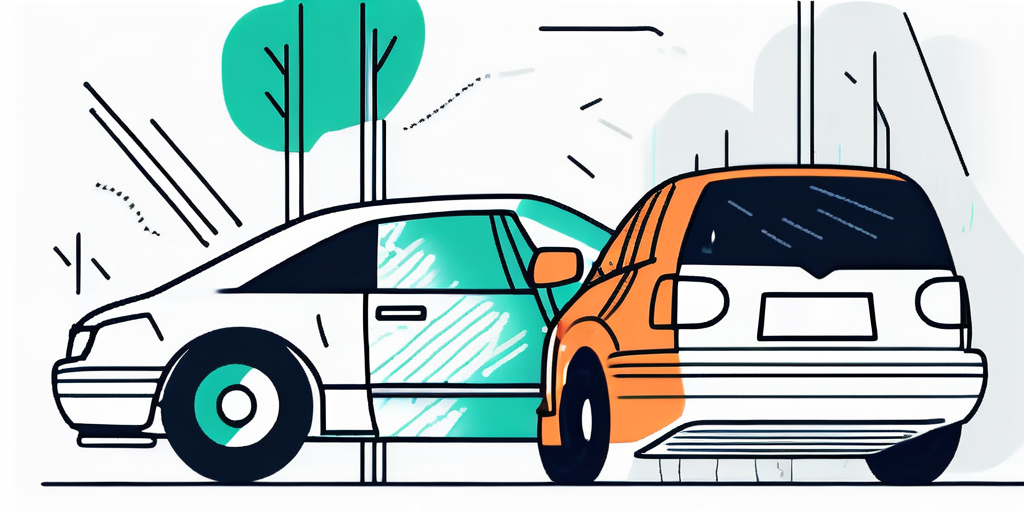
Collision insurance and comprehensive insurance are two types of auto insurance coverage that protect against different risks. While collision insurance covers damages resulting from collisions, comprehensive insurance provides coverage for damages caused by factors other than collisions, such as fire, theft, vandalism, or natural disasters.
Both types of insurance can be purchased separately or together as part of a comprehensive auto insurance policy.
Choosing the Right Coverage for You
When deciding between collision insurance and comprehensive insurance, consider your individual needs and circumstances. If your vehicle is relatively new or you live in an area prone to theft or natural disasters, comprehensive insurance may be a wise investment. On the other hand, if you primarily want coverage for collision-related damages, collision insurance should suffice.
Discussing your options with an insurance professional can help you make an informed decision and ensure you have the appropriate coverage for your specific situation.
Costs Associated with Collision Insurance
Factors Influencing the Price
The cost of collision insurance can vary depending on several factors, including your driving history, the make and model of your vehicle, your location, and the coverage limits you choose. Drivers with a history of accidents or traffic violations may typically pay higher premiums.
Additionally, more expensive vehicles or vehicles that are statistically more likely to be involved in collisions may also result in higher insurance costs.
Ways to Lower Your Collision Insurance Costs
There are several strategies to help lower the cost of collision insurance. Maintaining a clean driving record, taking defensive driving courses, and installing safety features in your vehicle can all contribute to reduced premiums. Additionally, raising your deductible may lower your insurance costs, but be sure to choose a deductible that you can comfortably afford.
Shopping around and comparing quotes from multiple insurance providers is also a recommended practice to ensure you’re getting the best possible rate.
Making a Collision Insurance Claim
When to File a Claim
If you are involved in a collision and your vehicle sustains damage, it’s important to assess the situation and determine whether filing a collision insurance claim is necessary. Generally, it is advisable to file a claim if the cost of repairs exceeds your deductible or if the damages are severe.
However, before filing a claim, consider the potential impact on your insurance rates. Depending on your insurance policy and the circumstances of the accident, filing a claim may result in increased premiums.
Steps in the Claim Process
If you decide to file a collision insurance claim, follow these general steps:
- Contact your insurance provider as soon as possible to report the accident and initiate the claims process.
- Provide all necessary information about the accident, including the date, time, and location, as well as any parties involved and witness statements if available.
- Take photos of the damages to your vehicle as supporting evidence.
- Submit any required paperwork, such as accident reports or estimates from a qualified repair shop.
- Cooperate fully with the claims adjuster, providing any additional information or documentation they may request.
- Follow the instructions of your insurance provider regarding repairs or the replacement process.
- Pay your deductible and any other costs not covered by your policy.
By following these steps and working closely with your insurance provider, you can navigate the collision insurance claims process smoothly and ensure a satisfactory resolution.
Conclusion
Understanding collision insurance is imperative for any vehicle owner. By grasping the definition, importance, components, costs, and claims process associated with collision insurance, you can make informed decisions when selecting coverage or navigating unfortunate accidents. Remember to review your insurance policy carefully, consider addition coverage options such as comprehensive insurance, and always drive safely to minimize the risk of collisions.