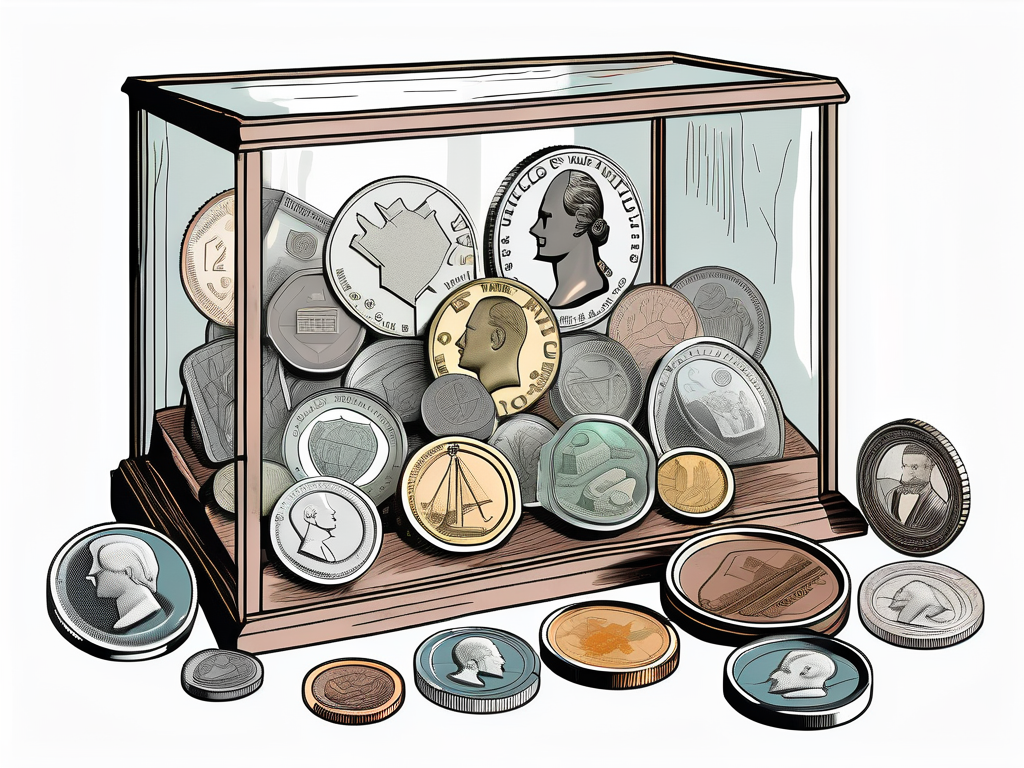
Fine Art Insurance is a specialized type of insurance coverage that provides protection for valuable and unique works of art. From paintings and sculptures to antiques and collectibles, this type of insurance helps protect the financial investment and emotional value of fine art.
Understanding the Basics of Fine Art Insurance
When it comes to the world of fine art, one must delve into the intricate realm of Fine Art Insurance to truly grasp the significance and necessity of this specialized coverage. Fine Art Insurance serves as a safeguard, offering financial protection in the unfortunate events of damage, theft, or loss of valuable artworks. Whether you find yourself immersed in the role of an art collector, gallery owner, or artist, the presence of the right insurance coverage is paramount to preserving your investments and cultivating a sense of security.
Delving deeper into the nuances of Fine Art Insurance unveils a tapestry of policies designed to cater to the diverse needs of art enthusiasts and professionals alike. These policies serve as pillars of protection, including:
- All-Risk Policies: Standing as stalwarts of coverage, these policies extend their shield to encompass a wide array of risks. From accidental damage to theft, loss, and even the enigmatic disappearance of artworks, these policies offer a comprehensive umbrella of protection for your fine art collection.
- Named Perils Policies: As their name implies, these policies meticulously outline and cover specific risks explicitly listed within the policy. While these policies may offer more limited coverage, they can prove to be a cost-effective choice for certain collections seeking tailored protection.
- Blanket Policies: Embracing a collective approach, blanket policies enfold multiple items as a cohesive unit, providing overarching coverage for your art collection. This option proves to be a practical solution for those with an extensive array of artworks spanning varying values.
Key Features of Fine Art Insurance
Protecting your valuable art collection with Fine Art Insurance is essential for art enthusiasts and collectors. These specialized insurance policies offer a range of coverage options tailored to the unique characteristics of art collections, ensuring comprehensive protection for your prized possessions.
When considering Fine Art Insurance, it’s important to understand the various coverage options available to you. In addition to the standard coverage for physical damage caused by factors such as fire, water, or impact, policies also include Theft and Burglary Coverage, safeguarding your art pieces against theft and unauthorized access. Furthermore, Transit Coverage is a valuable addition for those who frequently transport their artworks, providing protection during transportation and ensuring peace of mind wherever your art may travel.
Coverage Options
Fine Art Insurance policies offer a range of coverage options tailored to the unique characteristics of art collections. Some common coverage options include:
- Physical Damage Coverage: This option covers accidental damage caused by factors such as fire, water, or impact.
- Theft and Burglary Coverage: This coverage protects against theft and burglary of your fine art pieces.
- Transit Coverage: If you frequently transport your artworks from one location to another, transit coverage ensures protection during transportation.
Valuation Methods play a crucial role in determining the appropriate coverage and premiums for your fine art insurance policy. Insurance companies typically use one of the following valuation methods to assess the value of your art collection:
- Market Value: This method bases the value of the artwork on its current market price, providing a realistic assessment of its worth in the current art market.
- Agreed Value: Agreed value ensures that you receive the agreed-upon value for your art piece in the event of a covered loss, regardless of changes in the market, offering a sense of security and certainty for both the insured and the insurer.
- Replacement Cost: Replacement cost refers to the cost of replacing the artwork with a similar piece of equal quality and value, ensuring that you can restore your collection to its former glory in the event of damage or loss.
How to Choose the Right Fine Art Insurance
Protecting your valuable art collection with the right insurance is crucial for any art enthusiast or collector. Selecting a Fine Art Insurance policy requires careful consideration of various factors to ensure comprehensive coverage and peace of mind.

Factors to Consider
When selecting a Fine Art Insurance policy, several factors should be taken into consideration:
- Art Collection Value: Assess the total value of your collection to determine the level of coverage required.
- Specific Coverage Needs: Consider the type of art you own and the risks associated with it. For example, if you have delicate sculptures, you may need additional coverage for accidental damage or breakage.
- Insurance Company Reputation: Research the reputation and financial stability of insurance companies before making a decision.
Moreover, it is essential to consider the geographical location of your art collection. Factors such as climate, proximity to natural disaster-prone areas, and security measures in place can impact the insurance coverage you require. For instance, if your art collection is located in a region prone to earthquakes, you may need specialized coverage for seismic activities.
Tips for Comparing Policies
When comparing different Fine Art Insurance policies, keep the following tips in mind:
- Read the Fine Print: Carefully review the terms and conditions of each policy to ensure it meets your specific requirements.
- Consider Deductibles: Evaluate the deductible amount and how it may impact your out-of-pocket expenses in the event of a claim.
- Policy Exclusions: Take note of any exclusions or limitations in coverage to avoid surprises when filing a claim.
- Add-On Coverage: Some insurance companies offer additional coverage options that may be beneficial for your collection, such as coverage for restoration costs or newly acquired artworks.
Additionally, consider the appraisal process required by the insurance company to determine the value of your art collection accurately. A detailed and up-to-date appraisal can ensure that your collection is adequately insured for its current market value, helping you avoid underinsurance in the event of a claim.
The Process of Insuring Fine Art
Insuring fine art is a meticulous process that requires attention to detail and thorough documentation. Before insuring your valuable art pieces, it is crucial to have them appraised by a qualified and reputable art appraiser. The appraisal serves as the foundation for determining the accurate value of each artwork for insurance purposes. This step is vital to ensure that your art collection is adequately protected in the event of any unforeseen circumstances.
Furthermore, maintaining comprehensive documentation of your art collection is essential. This documentation should include high-quality photographs of each artwork, detailed provenance information, and any accompanying receipts or certificates of authenticity. Having a well-organized record of your art collection not only facilitates the insurance process but also helps in establishing the provenance and authenticity of your valuable pieces.
Appraisal and Documentation
Before insuring your fine art, it’s essential to have it appraised by a qualified and reputable art appraiser. The appraisal helps determine the value of each artwork for insurance purposes. Additionally, maintain detailed documentation of your art collection, including photographs, provenance, and any receipts or certificates of authenticity.
When selecting an art appraiser, it is advisable to choose someone with expertise in the specific type of art you own. Their knowledge and experience can significantly impact the accuracy of the appraisal and ensure that your artworks are valued correctly. Remember that regular appraisals are recommended to account for any fluctuations in the art market and to update the insurance coverage accordingly.
Filing and Managing Claims
In the unfortunate event of damage, theft, or loss, filing a claim with your Fine Art Insurance company is crucial. Be prepared to provide all necessary documentation, including your appraisal reports, photographs, and any relevant police reports. Working closely with your insurance agent or company throughout the claims process ensures a smooth resolution.
It is essential to review your insurance policy regularly to ensure that it adequately covers your art collection’s current value. In case of any new acquisitions or changes to your collection, promptly update your policy to reflect these additions. By staying proactive and informed about your fine art insurance coverage, you can have peace of mind knowing that your valuable artworks are protected.
Common Misconceptions about Fine Art Insurance
Debunking Myths
There are several common misconceptions surrounding Fine Art Insurance. Let’s debunk some of these myths:
- “My homeowners insurance covers my art collection”: While some homeowners policies may provide limited coverage for art, it’s usually not sufficient to fully protect your valuable artwork.
- “Fine Art Insurance is only for wealthy collectors”: Fine Art Insurance is available for all types of art owners, regardless of the size or value of their collections.
- “Art galleries don’t need insurance”: Art galleries are exposed to various risks, including damage during exhibitions or theft. Insurance coverage is essential to protect their valuable inventory.
Clarifying Common Confusions
Let’s clarify some common confusions about Fine Art Insurance:
- Actual Cash Value vs. Agreed Value: Actual cash value policies consider depreciation when calculating the value of a claimed artwork. Agreed value policies, on the other hand, offer coverage based on the agreed-upon value.
- Art Conservation vs. Restoration: Art conservation focuses on preserving and stabilizing the artwork, while restoration aims to repair and recreate parts of the artwork to its original state.
In conclusion, Fine Art Insurance is a crucial investment for art owners, collectors, and galleries. It provides the necessary financial protection and peace of mind in the face of unforeseen events that could damage or jeopardize your valuable artwork. By understanding the basics, choosing the right coverage, and debunking common misconceptions, you can ensure that your prized art collection remains safeguarded for generations to come.