In the aviation industry, where risks are inherent, aviation insurance plays a crucial role in safeguarding the interests of aircraft owners and operators. Understanding the basics of aviation insurance is essential for both industry professionals and aviation enthusiasts alike. This article will explore the definition and importance of aviation insurance, different types of policies available, key components of aviation insurance policies, the role of aviation insurance in risk management, how to choose the right policy, and the process of claiming aviation insurance.
Understanding the Basics of Aviation Insurance
Aviation insurance is a specialized form of insurance that provides coverage for aircraft, their passengers, and third-party liabilities arising from aviation activities. It is designed to protect aircraft owners, operators, and other involved parties from financial loss in the event of accidents, damage, or any other unforeseen circumstances.
Definition and Importance of Aviation Insurance
Aviation insurance can be defined as a contract between the insured and the insurer, where the insurer agrees to compensate the insured for covered losses in exchange for the payment of premiums.
But what exactly does this mean for aircraft owners and operators? Let’s delve a bit deeper into the importance of aviation insurance. Operating and maintaining aircraft involves substantial risk, and the cost of accidents and damages can be significant. Imagine the devastating impact of a major accident or a total loss of an aircraft. The financial burden could be overwhelming, potentially causing severe financial distress and even bankruptcy.
Aviation insurance provides a safety net by transferring the financial risk of aviation activities to the insurer, allowing individuals and organizations to continue their operations with confidence. It acts as a shield against the unpredictable nature of aviation, providing peace of mind and financial protection in the face of adversity.
Different Types of Aviation Insurance
There are various types of aviation insurance policies available, each catering to different aviation-related needs. Let’s explore some common types:
- Hull Insurance: This type of insurance covers physical damage to the aircraft, including total or partial loss. Whether it’s due to a collision, fire, theft, or vandalism, hull insurance ensures that the financial burden of repairing or replacing the aircraft is lifted off the owner’s shoulders.
- Liability Insurance: Liability insurance covers third-party bodily injury and property damage resulting from aviation activities. In the unfortunate event of an accident where others are injured or their property is damaged, liability insurance steps in to cover the legal costs and compensation, protecting the insured from potentially devastating lawsuits.
- Passenger Insurance: Passengers are the lifeblood of the aviation industry, and their safety and well-being are of utmost importance. Passenger insurance provides coverage for passengers in the event of accidental death, injury, or disablement. This type of insurance not only protects the passengers but also provides reassurance to the aircraft owner or operator, knowing that their passengers are covered in case of any unfortunate incidents.
- Hangarkeepers Insurance: Hangarkeepers insurance protects aircraft while they are stored in a hangar or at an aviation facility. It covers risks such as fire, theft, vandalism, and damage caused by natural disasters. This type of insurance is essential for hangar owners or operators, ensuring that the aircraft stored under their care are protected from potential risks.
- Products Liability Insurance: Aircraft manufacturers, distributors, and sellers face unique risks associated with product defects. Products liability insurance covers these entities against claims arising from product defects, providing financial protection in the event of lawsuits and legal expenses. It is a crucial type of insurance that safeguards the interests of those involved in the production and distribution of aircraft products.
By understanding the different types of aviation insurance available, aircraft owners, operators, and other stakeholders can make informed decisions to adequately protect themselves and their assets. Whether it’s safeguarding against physical damage, liability claims, or ensuring the well-being of passengers, aviation insurance plays a vital role in mitigating risks and ensuring the smooth operation of the aviation industry.
Key Components of Aviation Insurance Policies
Aviation insurance policies consist of several key components that determine the extent and scope of coverage provided. Understanding these components is crucial for both insurers and insured parties to ensure comprehensive protection in the event of unforeseen circumstances.
Coverage Limits and Exclusions
Every aviation insurance policy specifies coverage limits, which represent the maximum amount the insurer will pay in the event of a covered loss. These limits can vary based on the type of coverage and the specific terms outlined in the policy. It is essential for insured parties to carefully review and understand these limits to guarantee they have adequate coverage for their aviation assets. In addition to coverage limits, policies also contain exclusions, which are specific circumstances or events that are not covered by the insurance policy. Common exclusions may include war risks, intentional damage, and wear and tear. Being aware of these exclusions is vital to avoid any surprises or gaps in coverage during a claim.
Moreover, some aviation insurance policies offer optional coverage enhancements that can be purchased for an additional premium. These enhancements may include coverage for spare parts, medical payments, or coverage for non-owned aircraft. Insured parties should consider these options to tailor their insurance policy to their specific needs and risk profile, providing added peace of mind in the event of a claim.
Policy Premiums and Deductibles
Aviation insurance premiums are the payments made by the insured to the insurer to secure coverage. The amount of premium is determined by various factors, such as the value of the insured aircraft, its intended use, the pilot’s experience, and the insurance history of the insured. Insurers assess these factors to calculate the level of risk associated with insuring the aircraft and determine an appropriate premium. Additionally, policies often involve deductibles, which are the amounts that the insured must pay out-of-pocket before the insurance coverage comes into effect. Deductibles help to align the interests of the insured and the insurer, encouraging risk management practices and responsible behavior.
Role of Aviation Insurance in the Aviation Industry
Aviation insurance plays a critical role in the functioning of the aviation industry, ensuring safety, stability, and financial protection for all parties involved.
Moreover, aviation insurance is not just a regulatory requirement but also a strategic investment for aviation stakeholders. It serves as a safety net that safeguards against unforeseen circumstances, such as liability claims, damage to aircraft, or business interruptions. This proactive approach to risk management instills confidence in investors, lenders, and other stakeholders, contributing to the industry’s overall resilience and sustainability.
Risk Management in Aviation
Risk management is a fundamental aspect of the aviation industry. By transferring risk through insurance, aviation professionals can focus on taking necessary precautions to mitigate potential hazards, optimize safety measures, and improve overall operational efficiency.
Furthermore, aviation insurance providers offer specialized risk assessment services tailored to the unique needs of aviation businesses. These services not only help in identifying and quantifying risks but also assist in developing customized insurance solutions that align with the specific operational challenges faced by the industry.
Impact on Aircraft Owners and Operators
For aircraft owners and operators, aviation insurance provides a sense of security, knowing that their valuable assets are protected against various perils such as accidents, theft, natural disasters, or even acts of terrorism. It enables them to focus on their core activities without excessive worry about unforeseen financial liabilities.
Additionally, aviation insurance policies can be customized to cover a wide range of scenarios, including hull insurance for physical damage to the aircraft, liability insurance for third-party claims, and loss of income coverage for business interruptions. This comprehensive coverage not only protects the financial interests of aircraft owners and operators but also promotes a culture of safety and responsibility within the aviation community.
How to Choose the Right Aviation Insurance
Choosing the right aviation insurance policy can be a daunting task. However, considering certain factors can simplify the decision-making process.
Factors to Consider When Selecting a Policy
When selecting an aviation insurance policy, it is crucial to consider factors such as adequate coverage limits, responsive customer service, favorable claims settlement history, competitive premiums, and endorsements that cater to specific needs or risks associated with the aircraft and its operations.
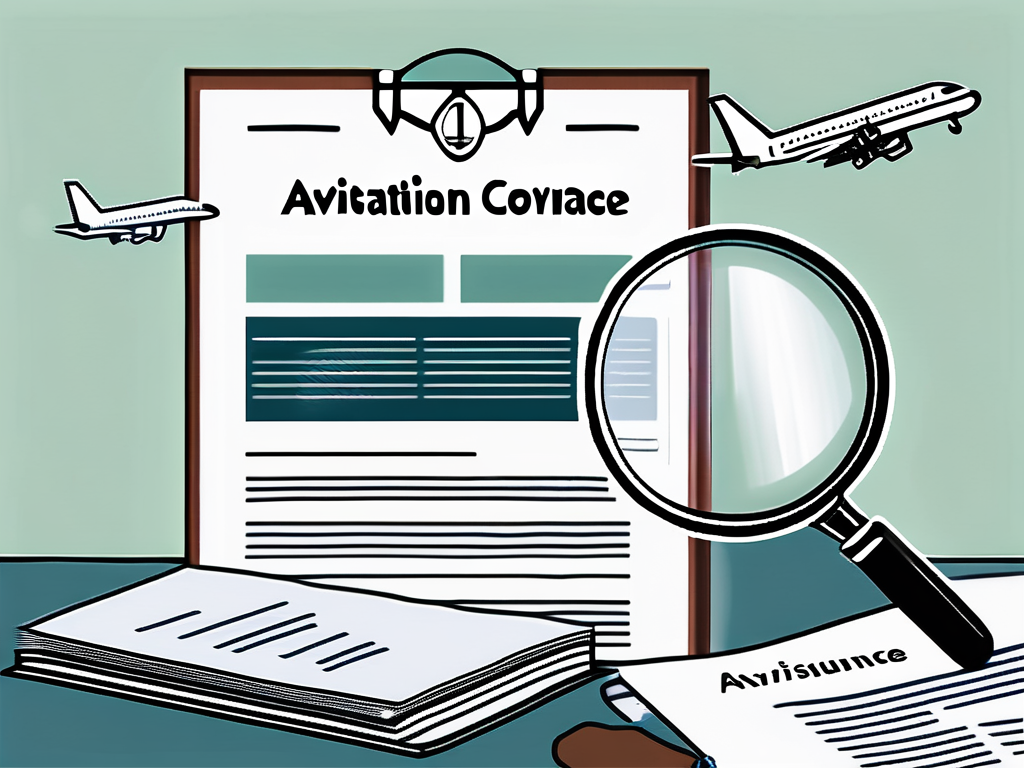
Understanding the Fine Print in Aviation Insurance
Understanding the terms and conditions, as well as the fine print in aviation insurance policies, is vital to avoid any surprises or gaps in coverage. Consulting with knowledgeable insurance professionals and carefully reviewing the policy documentation can help ensure a comprehensive understanding of the coverage provided.
The Process of Claiming Aviation Insurance
In the unfortunate event of an accident or loss, understanding the process of claiming aviation insurance is crucial to ensure a smooth claims settlement experience.

Steps to File a Claim
When filing a claim, the insured must promptly notify their insurance provider and provide all necessary details and documentation related to the incident. This includes incident reports, photographs, repair estimates, witness statements, and any other relevant information that supports the claim.
Dealing with Disputes and Denials
In some cases, disputes or claim denials may arise between the insured and the insurer. It is essential to carefully review the policy, gather supporting evidence, and seek assistance from legal or claims experts to address any disagreements and ensure a fair resolution.
Aviation insurance is a complex and dynamic field that requires careful attention to detail and a thorough understanding of the specific risks involved. By familiarizing themselves with the basics of aviation insurance, individuals and organizations can make informed decisions, protect their interests, and navigate the intricate landscape of the aviation industry with confidence.
Leave a Reply