
Terrorism Insurance is a type of coverage that businesses or individuals can obtain to protect themselves against losses and damages caused by acts of terrorism. In an uncertain world, where terrorist attacks can happen at any time, understanding the importance and implications of terrorism insurance is crucial for individuals and businesses alike.
Understanding Terrorism Insurance
Definition and Importance of Terrorism Insurance
Terrorism insurance provides coverage for losses and damages resulting from terrorist acts. It is designed to protect policyholders from financial losses that can occur due to property damage, business interruption, liability, or even bodily injury caused by acts of terrorism.

One might wonder why terrorism insurance is important when there are already other types of insurance available, such as property insurance or liability coverage. The answer lies in the unique nature of terrorism-related risks. Unlike natural disasters or accidents, acts of terrorism are intentional and often unpredictable. Therefore, traditional insurance policies may not specifically cover damages caused by terrorism, making terrorism insurance invaluable in such scenarios.
Imagine a bustling city with towering skyscrapers, vibrant businesses, and bustling streets. Now, picture the chaos that would ensue if a terrorist attack were to occur in such a place. The impact would be devastating, not only in terms of human lives but also in terms of economic stability. Terrorism insurance acts as a safety net, providing financial protection to individuals and businesses in the face of such unthinkable events.
Consider a scenario where a popular shopping mall becomes the target of a terrorist attack. The resulting property damage and business interruption could be catastrophic for the mall owners and the numerous businesses operating within it. Without terrorism insurance, the financial burden of rebuilding and recovering from such an event would fall solely on the shoulders of those affected. However, with terrorism insurance in place, the policyholders can have peace of mind, knowing that they have a safety net to rely on during these challenging times.
The History of Terrorism Insurance
The need for terrorism insurance became more apparent in the late 20th century as terrorism incidents increased worldwide. After the tragic events of September 11, 2001, insurance companies and governments realized the vulnerability of businesses and individuals to acts of terrorism, leading to a growing demand for specialized terrorism insurance policies.
The increasing number and severity of terrorist attacks highlighted the need for a separate coverage to mitigate potential losses. Governments, insurers, and reinsurers worked together to develop frameworks and regulations specific to terrorism insurance, enhancing preparedness and risk management strategies.
As the threat of terrorism continues to evolve, so does the field of terrorism insurance. Insurance companies are constantly adapting their policies to address emerging risks and provide comprehensive coverage. This ongoing evolution ensures that policyholders are adequately protected in an ever-changing world.
Moreover, the development of terrorism insurance has not only benefited individuals and businesses but has also played a crucial role in the overall stability of economies. By providing financial protection against acts of terrorism, terrorism insurance helps maintain confidence in the business sector, encourages investment, and promotes economic growth.
The Role of Terrorism Insurance in Business
Coverage and Exclusions in Terrorism Insurance
Terrorism insurance policies typically cover both property and liability-related losses. Property coverage includes damages caused by terrorist acts, such as destruction of buildings, infrastructure, or assets. Liability coverage, on the other hand, protects businesses from claims related to injuries or damages caused to third parties during a terrorist attack.

It is important to note that terrorism insurance policies may have certain exclusions and limitations. These can vary depending on the specific policy and insurer. Common exclusions include damage caused by cyber-terrorism, nuclear incidents, or war. It is essential for policyholders to carefully review the terms and conditions of their terrorism insurance policies to understand what is covered and excluded.
The Impact of Terrorism Insurance on Business Continuity
One of the key benefits of terrorism insurance for businesses is its role in ensuring continuity in the face of a terrorist attack. When a business is severely impacted by an act of terrorism, it can suffer substantial financial losses, disruption to operations, and even reputational damage.
Terrorism insurance helps businesses recover and rebuild by providing financial support to cover repair and rebuilding costs, loss of income during the shutdown, and expenses associated with business interruption. By having adequate terrorism insurance coverage in place, businesses can mitigate the financial burden and recover more quickly, ensuring continuity and minimizing the long-term negative impact.
Furthermore, terrorism insurance can also have a positive impact on the overall economy. In the aftermath of a terrorist attack, affected businesses may struggle to recover without proper insurance coverage. This can lead to a decline in economic activity, job losses, and a decrease in consumer confidence. However, with terrorism insurance, businesses are better equipped to bounce back and resume their operations, contributing to the overall stability and growth of the economy.
In addition, the availability of terrorism insurance can also play a role in attracting investments and promoting business growth. Investors are more likely to consider investing in regions or industries that have adequate insurance coverage against terrorism risks. This not only provides reassurance to potential investors but also helps create a more resilient business environment.
Moreover, terrorism insurance can also serve as a risk management tool for businesses. By assessing their vulnerability to terrorist attacks and obtaining appropriate insurance coverage, businesses can proactively manage and mitigate potential risks. This includes implementing security measures, conducting risk assessments, and developing emergency response plans. By taking these proactive measures, businesses can enhance their preparedness and resilience, reducing the potential impact of a terrorist attack.
The Global Perspective on Terrorism Insurance
Terrorism Insurance in Developed Countries
Developed countries with a higher risk of terrorist attacks, such as the United States, the United Kingdom, and France, have well-established terrorism insurance markets. In these countries, terrorism insurance coverage is often offered as an extension to existing property and casualty policies, providing businesses and individuals with broader protection.
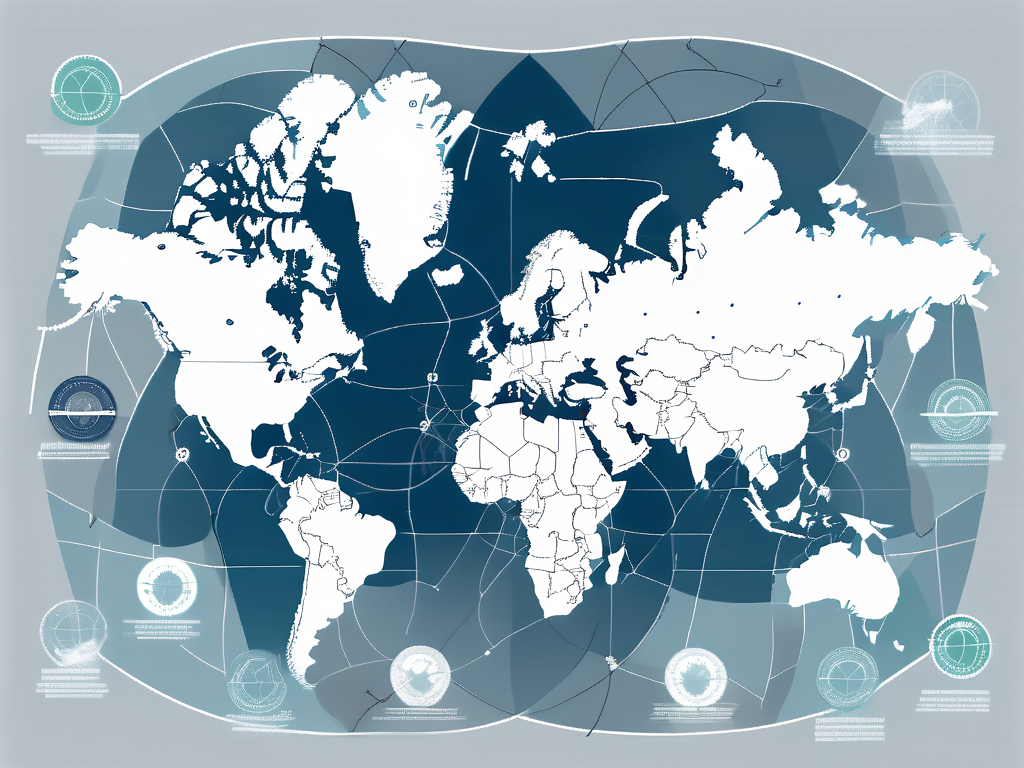
Insurers in developed countries work closely with government entities, reinsurers, and other stakeholders to ensure the availability and affordability of terrorism insurance. Governments may also collaborate with the private sector to create pools or funds that offer additional financial support in case of a large-scale terrorist event.
Terrorism Insurance in Developing Countries
Developing countries, on the other hand, face unique challenges in establishing terrorism insurance frameworks. Limited resources, higher risks, and lack of expertise can make it difficult for insurers and governments to provide comprehensive terrorism insurance coverage.
However, recognizing the importance of terrorism insurance, developing countries are taking steps to enhance their readiness and resilience. Governments are working to improve regulatory frameworks, create partnerships with international organizations, and promote risk-sharing mechanisms to address the needs of businesses and individuals in these countries.
The Legal Framework Surrounding Terrorism Insurance
Government Involvement in Terrorism Insurance
Given the unique nature of terrorism risk, governments around the world play an active role in fostering terrorism insurance markets. This involvement can take different forms, including setting up dedicated terrorism insurance schemes, providing financial support, and establishing regulations to promote the availability and affordability of coverage.
By supporting terrorism insurance initiatives, governments aim to protect businesses, individuals, and the overall economy from the significant financial impact of terrorist attacks. Through their involvement, governments help to facilitate risk transfer, enhance risk management, and ensure the stability and resilience of the insurance market in the face of terrorism.
Regulatory Challenges in Terrorism Insurance
The regulation of terrorism insurance poses several challenges due to the complex nature of terrorism risks and the global interconnectedness of insurance markets. Regulators need to strike a balance between ensuring the availability of affordable coverage and preventing potential market failures.
Regulatory challenges can include defining what constitutes a terrorism event, determining coverage parameters, addressing cross-border issues, and promoting standardized practices across different jurisdictions. Regulatory frameworks need to evolve to keep pace with changing terrorism threats and emerging insurance market dynamics.
The Future of Terrorism Insurance
Trends and Predictions for Terrorism Insurance
As the world continues to face evolving terrorism threats, the terrorism insurance landscape is expected to witness significant changes. Emerging trends include an increased focus on cyber-terrorism coverage, the development of parametric insurance products, and the integration of terrorism risk models into underwriting processes.
Insurers, reinsurers, and governments are adapting their approaches by investing in technology, data analytics, and risk modeling tools to better understand and manage terrorism risks. Collaboration between the public and private sectors will be crucial in navigating the evolving landscape and ensuring the availability of comprehensive and affordable terrorism insurance coverage.
Innovations and Developments in Terrorism Insurance
With advancements in technology and data analytics, the insurance industry is exploring innovative solutions to enhance terrorism insurance coverage. Insurtech companies are leveraging artificial intelligence, machine learning, and big data analysis to develop customized terrorism insurance products that cater to specific industry needs.
Furthermore, developments in cybersecurity and risk assessment capabilities aim to provide more accurate and real-time data to insurers, enabling them to identify potential terrorist threats and tailor coverage accordingly.
In conclusion, terrorism insurance plays a vital role in safeguarding businesses and individuals from the financial consequences of terrorist attacks. Its importance in the global risk landscape continues to grow, highlighting the need for a robust and evolving terrorism insurance market. Governments, insurers, and reinsurers must work together to ensure the availability, affordability, and effectiveness of terrorism insurance coverage to mitigate the impact of terrorism on society, economy, and business continuity.
Leave a Reply