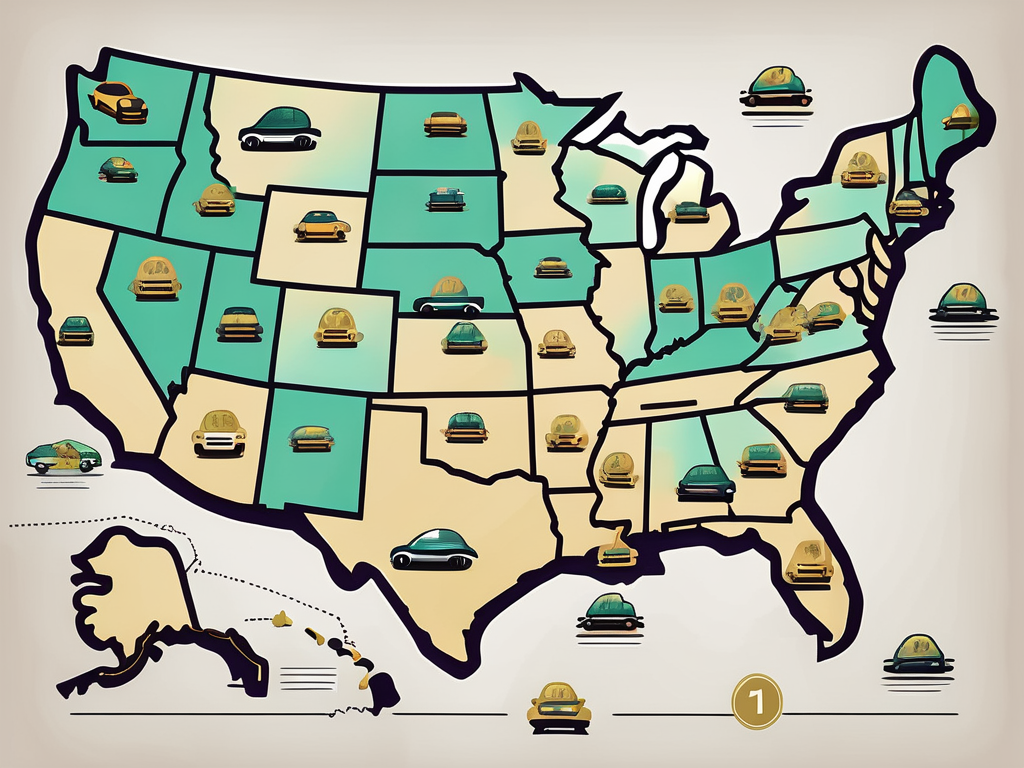
Car insurance rates can vary greatly depending on where you live. Some states have much higher rates than others, which can significantly impact your monthly or annual expenses. Understanding why certain states have higher insurance rates and how location affects car insurance costs can help you make informed decisions when it comes to selecting your car insurance policy. In this article, we will take a closer look at the top 10 most expensive states for car insurance and provide tips for lowering your car insurance rates.
Understanding Car Insurance Rates
Before we dive into the details of the top 10 most expensive states for car insurance, it’s essential to understand how car insurance rates are determined. Insurance companies take several factors into account when setting insurance rates, including:
- Your driving record: A history of accidents or tickets can result in higher insurance rates.
- Your age: Younger drivers often have higher insurance rates due to their lack of experience on the road.
- Your car model: Certain cars are more expensive to repair or replace, leading to higher insurance rates.
- Your credit score: Insurance companies may use credit scores as a factor in determining rates.
Factors Influencing Car Insurance Rates
Several factors can influence car insurance rates, making them vary from one state to another:
- The number of uninsured drivers on the road
- The population density of the state
- The frequency of accidents and claims in the area
- The cost of medical care and auto repairs in the state
How Location Affects Car Insurance Costs
Your location plays a significant role in determining your car insurance costs. Urban areas with high population densities often have higher rates due to increased traffic, a higher likelihood of accidents, and a greater risk of theft or vandalism. Additionally, states with higher healthcare costs and repair expenses, such as California and New York, tend to have higher insurance rates.
Let’s take a closer look at how the number of uninsured drivers on the road can impact car insurance rates. In states with a high percentage of uninsured drivers, insurance companies face a greater risk of having to pay for damages caused by these drivers. To compensate for this risk, they may increase insurance rates for all drivers in that state. This means that even if you are a responsible driver with a clean record, you may still end up paying higher premiums simply because of the uninsured drivers around you.
Another factor that can influence car insurance rates is the frequency of accidents and claims in a particular area. If an area has a history of frequent accidents and a high number of insurance claims, insurance companies may consider it a higher risk area and charge higher premiums to cover potential losses. This is because the likelihood of having to pay out claims is higher in such areas, and insurance companies need to account for that when setting rates.
The Cost of Car Insurance Across the United States
The national average for car insurance rates can serve as a benchmark for understanding how each state compares. As of [current year], the average annual car insurance premium in the United States is approximately [insert average amount]. However, it’s essential to note that individual states can vary significantly from this average due to specific state-level factors.
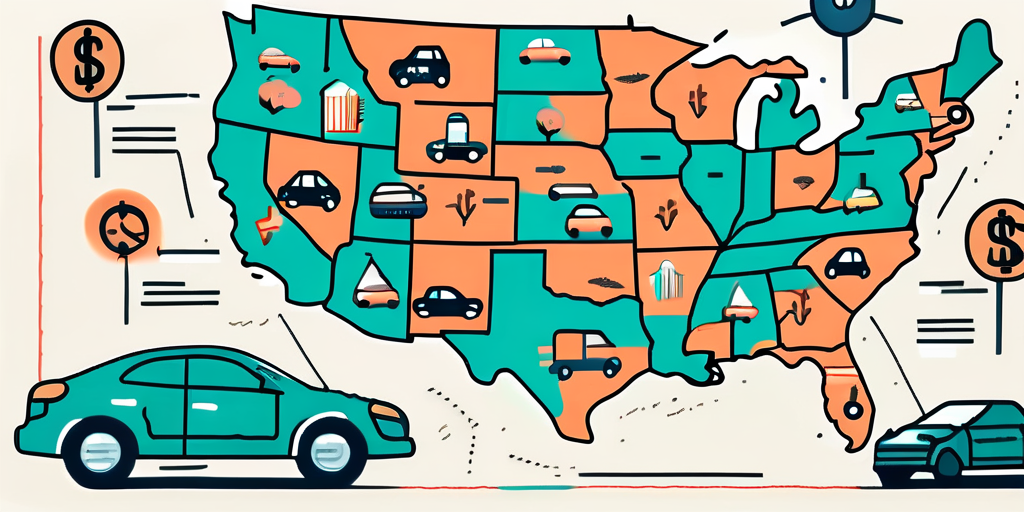
When looking at the breakdown of car insurance costs across the United States, it becomes evident that various factors contribute to the fluctuations in premiums. Factors such as age, driving record, type of vehicle, and coverage level all play a role in determining the final insurance rate for an individual.
Why Some States Have Higher Insurance Rates
There are several reasons why certain states have higher insurance rates than others:
- High population densities lead to more accidents and higher insurance claims.
- In some states, uninsured drivers increase the risk and cost for insured drivers.
- Areas prone to severe weather, such as hurricanes or tornadoes, result in higher insurance rates.
- States with higher crime rates and theft rates often have higher insurance costs for comprehensive coverage.
Moreover, the level of competition among insurance providers in a state can also impact the pricing of car insurance. States with a limited number of insurance companies offering coverage may experience higher premiums due to reduced competition. On the other hand, states with a more competitive insurance market may see lower average rates as companies vie for customers by offering more competitive prices and discounts.
Detailed Look at the Top 10 Most Expensive States
When examining the top 10 most expensive states for car insurance, it’s crucial to understand the various factors that contribute to the high rates in each region. Let’s delve deeper into the reasons behind these costly insurance premiums and explore potential strategies for residents to manage their expenses effectively.
State 1: Overview and Reasons for High Rates
[State 1] consistently ranks as one of the most expensive states for car insurance due to a combination of factors. The state’s high population density, coupled with frequent incidents of [specific reasons], significantly impact insurance rates. Additionally, the challenging terrain and weather conditions in [State 1] contribute to the elevated cost of coverage for drivers.
Despite the costly nature of car insurance in [State 1], residents can potentially lower their insurance rates by adopting certain practices. By maintaining a clean driving record, exploring bundled insurance options, and taking advantage of available discounts, drivers in [State 1] can strive to reduce their overall insurance expenses.
State 2: Overview and Reasons for High Rates
When it comes to [State 2], the region is renowned for its high car insurance rates, primarily driven by specific factors unique to the state. The prevalence of [specific reasons] and the strict regulatory environment in [State 2] significantly influence insurance costs for drivers. Moreover, the frequency of natural disasters or other events that pose risks to vehicles also plays a role in the elevated insurance premiums in this state.
To combat the high insurance rates in [State 2], drivers can implement various strategies to potentially lower their costs. By comparing quotes from different insurance providers, adjusting coverage levels based on individual needs, and participating in safe driving courses, residents of [State 2] can work towards managing their insurance expenses more effectively.
State 3: Overview and Reasons for High Rates
In [State 3], car insurance rates are notoriously high due to a myriad of reasons that impact the overall cost of coverage. Factors such as [specific reasons] and the prevalence of [specific factors] contribute to the expensive nature of insurance in this state. Additionally, the state’s regulatory framework and demographic trends also play a significant role in driving up insurance costs for drivers in [State 3].
Despite the challenges posed by high insurance rates in [State 3], residents have the opportunity to explore various strategies to mitigate their expenses. By optimizing their coverage options, leveraging technology to monitor driving habits, and seeking out specialized insurance programs, drivers in [State 3] can potentially find ways to reduce their insurance premiums and better manage their overall costs.
Tips for Lowering Your Car Insurance Rates
Shopping Around for the Best Rates
One of the most effective ways to lower your car insurance rates is to shop around and compare quotes from multiple insurance providers. Different companies may offer varying rates for the same coverage, so taking the time to compare options can potentially save you a significant amount of money.
Taking Advantage of Discounts
Many insurance providers offer discounts for various reasons. These can include safe driving discounts, discounts for bundling multiple policies (such as car and home insurance), and discounts for certain professions or memberships. Be sure to ask your insurance provider about any available discounts that you may qualify for.
Maintaining a Clean Driving Record
Your driving history has a direct impact on your car insurance rates. By maintaining a clean driving record, free of accidents and traffic violations, you demonstrate to insurance companies that you are a low-risk driver. This can lead to lower insurance premiums over time.
Additionally, it is important to note that the type of car you drive can also affect your insurance rates. Insurance companies take into consideration factors such as the make and model of your vehicle, its age, and its safety features. Cars that are considered to be more expensive to repair or more prone to theft may result in higher insurance premiums. On the other hand, vehicles equipped with advanced safety features, such as anti-lock brakes and airbags, may qualify for discounts.
Another factor to consider when trying to lower your car insurance rates is your credit score. Insurance companies often use credit-based insurance scores to determine the likelihood of a policyholder filing a claim. By maintaining a good credit score, you may be eligible for lower insurance rates. It is important to regularly check your credit report for any errors or discrepancies that could negatively impact your score.
In conclusion, understanding the factors that influence car insurance rates and how location affects car insurance costs can provide valuable insights when it comes to selecting a car insurance policy. By researching the top 10 most expensive states for car insurance and implementing tips for lowering rates, you can save money while still maintaining the necessary coverage for your vehicle. Remember to periodically review your insurance policy and explore options that may lead to potential savings.
Leave a Reply