Auto insurance is a crucial safeguard for drivers and their vehicles. However, understanding the different types of auto insurance coverage can be a bit daunting. This article aims to break down the basics of auto insurance and explore the various types of coverage available.
Understanding Auto Insurance
Before delving into the specifics of coverage options, it’s important to grasp the fundamentals of auto insurance. Essentially, auto insurance provides financial protection in the event of vehicle damage, accidents, or injuries. It serves as a safety net, allowing drivers to navigate the open road with peace of mind.

But let’s dive a little deeper into the world of auto insurance. Did you know that auto insurance policies typically consist of several components? That’s right! It’s not just a one-size-fits-all deal. These components include liability coverage, comprehensive coverage, collision coverage, and uninsured/underinsured motorist coverage. Each component plays a distinct role in providing protection.
The Basics of Auto Insurance
Liability coverage is the cornerstone of any auto insurance policy. It helps cover the costs associated with injuries or property damage that you may cause to others in an accident. This coverage is crucial because it protects you from potential lawsuits and hefty legal expenses.
Comprehensive coverage, on the other hand, offers protection against non-collision incidents such as theft, vandalism, or natural disasters. So, if your car gets stolen or damaged by a hailstorm, comprehensive coverage has got your back.
Collision coverage steps in when your vehicle collides with another object or vehicle. Whether it’s a fender bender or a major accident, this coverage helps cover the cost of repairing or replacing your damaged vehicle.
Lastly, uninsured/underinsured motorist coverage is designed to protect you if you’re involved in an accident with a driver who doesn’t have insurance or doesn’t have enough coverage to pay for your damages. It ensures that you won’t be left empty-handed if you find yourself in such an unfortunate situation.
Importance of Auto Insurance
Auto insurance is not just a legal requirement in most states; it serves as a safety net that protects drivers from potential financial burdens resulting from accidents or other unforeseen events. Without proper coverage, drivers may be held personally liable for costly damages or medical expenses.
Imagine this: you’re driving down the road, minding your own business, when suddenly, another driver rear-ends your car. Without auto insurance, you would be left to deal with the expenses of repairing your vehicle and any medical bills on your own. These costs can quickly add up and put a significant strain on your finances.
Furthermore, auto insurance provides peace of mind. Knowing that you have coverage in place can alleviate the stress and worry that comes with the unpredictability of the road. It allows you to focus on enjoying your journey, knowing that you’re protected in case the unexpected happens.
So, whether you’re a seasoned driver or a new one hitting the road for the first time, understanding auto insurance and having the right coverage is essential. It’s not just about complying with the law; it’s about safeguarding yourself, your vehicle, and your financial well-being.
Comprehensive Coverage
One type of auto insurance coverage that drivers can opt for is comprehensive coverage. It provides protection against damage to the insured vehicle that is not caused by a collision. Instead, comprehensive coverage kicks in for incidents such as theft, vandalism, fire, natural disasters, or falling objects.
What is Comprehensive Coverage?
Comprehensive coverage insures drivers against a wide range of incidents that could damage their vehicle. This can include damage from hailstorms, floods, acts of vandalism, or even hitting an animal on the road. Having comprehensive coverage ensures that drivers are protected against a variety of risks.
Benefits of Comprehensive Coverage
Having comprehensive coverage offers peace of mind to drivers, knowing that their vehicle is protected against numerous potential perils. Whether it’s a burst pipe flooding a garage or a falling tree damaging a parked car, comprehensive coverage steps in to cover the repair or replacement costs, minus the deductible.
Furthermore, comprehensive coverage extends beyond just protecting the vehicle itself. It also provides coverage for personal belongings that may be stolen or damaged during a covered incident. For example, if your car is broken into and your laptop is stolen, comprehensive coverage can help reimburse you for the value of the stolen item.
In addition, comprehensive coverage often includes coverage for windshield damage. Windshields are susceptible to cracks and chips from flying debris on the road, and repairing or replacing them can be costly. With comprehensive coverage, drivers can have peace of mind knowing that their windshield repairs or replacements are covered.
Collision Coverage
Another essential type of auto insurance coverage is collision coverage. As the name suggests, it helps cover the costs of repairing or replacing a vehicle damaged as a result of a collision with another vehicle or object, regardless of fault.
Defining Collision Coverage
Collision coverage exists to protect drivers from the expenses associated with repairing or replacing their vehicle after a collision, regardless of who is at fault. Whether it’s a fender bender or a more severe accident, collision coverage aids in covering the repair costs, minus the deductible.
Why Consider Collision Coverage?
Collisions can be costly affairs, often resulting in extensive repairs or even total loss of the vehicle. Collision coverage offers peace of mind, knowing that, regardless of fault, if an accident occurs, the necessary repairs or replacement will be taken care of, minus the deductible.
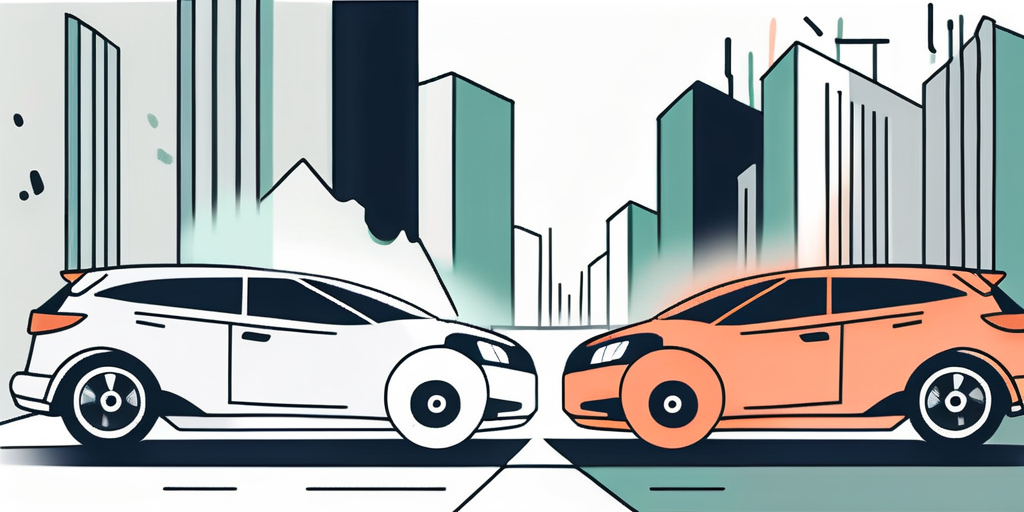
Imagine you’re driving down a busy city street, minding your own business, when suddenly, out of nowhere, a distracted driver slams into the side of your car. The impact is jarring, and you feel your heart race as you try to process what just happened. As you step out of your vehicle, you see the damage – a crumpled fender, a shattered headlight, and a dented door. Your once pristine car now bears the scars of the unexpected collision.
Without collision coverage, you would be left to deal with the financial burden of repairing your vehicle on your own. The costs can quickly add up, from the labor fees of skilled mechanics to the price of new parts. But with collision coverage, you can breathe a sigh of relief. Your insurance company will step in and handle the expenses, ensuring that your car is restored to its former glory.
Liability Coverage
Liability coverage is a fundamental component of auto insurance policies. It protects drivers from financial responsibility for injuries, property damage, or litigation resulting from an accident in which they are found liable.
Explaining Liability Coverage
Liability coverage assumes responsibility for any damage or injuries caused by the insured driver to others involved in an accident. It typically includes bodily injury liability, which covers medical expenses, and property damage liability, which covers repairs or replacement of damaged property.
The Role of Liability Coverage
Liability coverage serves as a crucial protective shield that safeguards drivers from the potentially crippling financial consequences of causing an accident. Without it, drivers may find themselves personally responsible for covering the costs of medical bills, legal fees, or property damage suffered by others.
Let’s delve deeper into the importance of liability coverage. Imagine a scenario where you are driving down the road, minding your own business, when suddenly, a distracted driver rear-ends your car. The impact is jarring, and both vehicles sustain significant damage. You and the other driver are both injured and require immediate medical attention.
Here’s where liability coverage comes into play. With this coverage, your insurance company will step in and handle the medical expenses for both you and the other driver. They will also take care of the repairs needed for your vehicle and the other driver’s car. Without liability coverage, you would be left to shoulder these financial burdens on your own, which could potentially bankrupt you.
Furthermore, liability coverage extends beyond just medical expenses and property damage. It also provides protection in the event of a lawsuit. If the other driver decides to take legal action against you, your insurance company will provide legal representation and cover any associated legal fees. This invaluable support ensures that you are not left vulnerable and alone in the face of a legal battle.
Remember, accidents can happen to anyone, regardless of how cautious or skilled a driver you may be. Liability coverage acts as a safety net, offering you peace of mind and financial protection in the unfortunate event of an accident. So, when it comes to auto insurance, make sure you prioritize liability coverage to safeguard yourself and your assets.
Uninsured and Underinsured Motorist Coverage
Uninsured and underinsured motorist coverage is an often overlooked but vital aspect of auto insurance. It steps in to protect drivers when they are involved in an accident with a driver who either doesn’t have insurance or doesn’t have enough coverage to pay for the damages.
Uninsured Motorist Coverage Explained
Uninsured motorist coverage provides financial protection for drivers involved in accidents with uninsured drivers. It helps cover medical expenses, lost wages, and other damages incurred due to the negligence of an uninsured driver.
Understanding Underinsured Motorist Coverage
On the other hand, underinsured motorist coverage comes into play when the at-fault driver has insurance but not enough coverage to pay for all the damages. Underinsured motorist coverage helps bridge the gap, ensuring that drivers are fully compensated for their losses in such situations.
In conclusion, auto insurance encompasses a range of coverage options, each of which caters to different scenarios. By understanding these types of insurance coverage, drivers can make informed decisions to protect themselves and their vehicles on the road.
Leave a Reply