
Car insurance is a critical component of car ownership. It provides financial protection in case of accidents, theft, or damage. Understanding how car insurance works and knowing how to choose the right policy is essential for every driver. In this comprehensive guide, we will delve into the basics of car insurance, discuss the different types of coverage available, explore various factors to consider when selecting a policy, examine the cost of car insurance, and provide insights into making a car insurance claim.
Understanding Car Insurance
Car insurance is a contract between an individual and an insurance company. In exchange for paying a premium, the insurance company agrees to provide coverage for specified risks. The most basic coverage is liability insurance, which pays for damages caused to other vehicles and property in an accident that is your fault.
However, it’s important to note that liability insurance does not cover damages to your vehicle or your own medical expenses. For this reason, it is advisable to consider additional types of coverage.
When it comes to car insurance, there are several types of coverage available, each designed to protect you in different situations. One such coverage is collision coverage, which pays for damages to your vehicle in the event of an accident, regardless of fault. Whether you accidentally rear-end another car or collide with a stationary object, collision coverage will help cover the costs of repairing or replacing your vehicle.
Another type of coverage to consider is comprehensive coverage. This coverage protects you against expenses resulting from non-accident-related incidents, such as theft, vandalism, or natural disasters. Imagine waking up one morning to find your car missing from your driveway. With comprehensive coverage, you can rest assured that your insurance company will help cover the cost of replacing your stolen vehicle.
In addition to collision and comprehensive coverage, uninsured/underinsured motorist coverage is another important consideration. This coverage protects you if you are involved in an accident with a driver who does not have sufficient insurance to cover your damages. Unfortunately, not everyone on the road carries adequate insurance, so having uninsured/underinsured motorist coverage can provide you with peace of mind knowing that you are protected in such situations.
Personal injury protection (PIP) is yet another type of coverage to consider. PIP covers medical expenses and lost wages for you and your passengers, regardless of fault. Whether you sustain minor injuries or require extensive medical treatment, PIP can help alleviate the financial burden associated with medical bills and lost income.
Now that you have a better understanding of the different types of car insurance coverage, let’s take a closer look at how car insurance works. When you purchase a car insurance policy, you enter into a contract with the insurance company. The contract specifies the coverage limits, deductibles, and premium amount. Premiums are typically paid on a monthly or annual basis, depending on the terms of the policy.
If you are involved in an accident or experience a covered loss, you will need to file a claim with your insurance company. The claims process involves reporting the incident, providing documentation, and working with adjusters to settle the claim. The insurance company will either repair or reimburse you for the damages, up to the policy limits. It is important to note that the claims process can vary depending on the insurance company and the specific circumstances of the incident.
Car insurance is an essential aspect of responsible vehicle ownership. By understanding the basics of car insurance and the different types of coverage available, you can make informed decisions to protect yourself and your assets on the road.
Choosing the Right Car Insurance
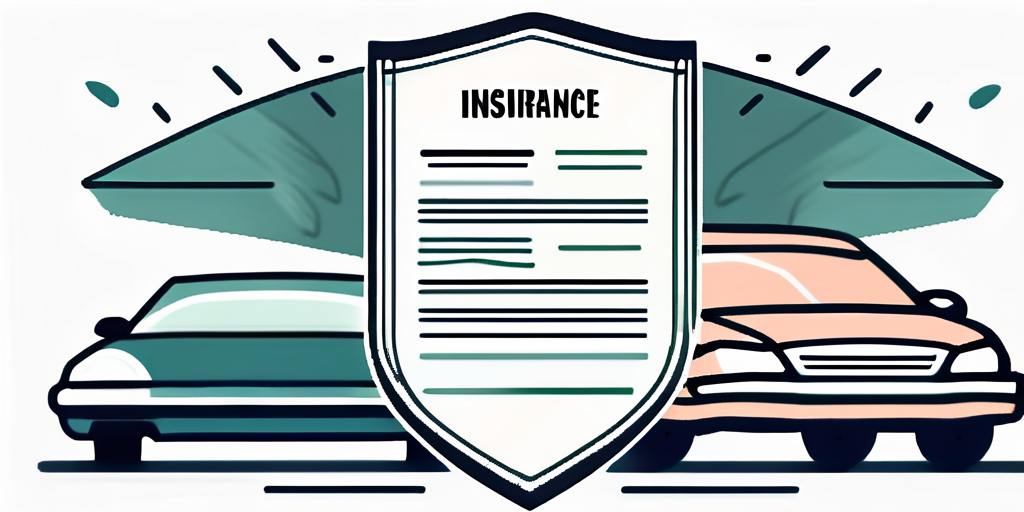
When it comes to choosing the right car insurance, there are several factors that you should consider. It’s not just about finding the cheapest policy, but rather finding the one that provides the best coverage for your specific needs. Let’s take a closer look at some of the key factors to consider when selecting a car insurance policy.
Factors to Consider When Choosing a Policy
First and foremost, you need to assess your own needs and determine the level of coverage that suits your situation. This involves taking into account various factors such as the age and value of your vehicle, your driving habits, and your financial situation.
If you have a brand new car, for example, you may want to consider a policy that offers comprehensive coverage to protect your investment. On the other hand, if you have an older vehicle with a lower value, you may opt for minimal coverage to keep costs down.
Another important factor to consider is the reputation and financial stability of insurance providers. It’s always wise to do some research and look for companies with a strong track record, positive customer reviews, and good financial ratings. After all, you want to make sure that the company you choose will be there for you when you need them the most.
Comparing Insurance Providers
Once you have assessed your needs and identified a few potential insurance providers, it’s time to compare their policies. Obtaining quotes from multiple providers and comparing them can help you find the best policy for your needs.
When comparing policies, it’s important to consider factors such as coverage limits, deductibles, and exclusions. You want to make sure that the policy you choose provides adequate coverage for your specific needs and that you understand any limitations or exclusions that may apply.
In addition to coverage, you should also pay attention to additional features or discounts that may be available. Some insurance providers offer extras such as roadside assistance or safe driver bonuses, which can be valuable perks to consider.
Understanding Your Insurance Needs
Each individual has unique insurance needs, and it’s important to take the time to understand your own. Your lifestyle, driving habits, and personal circumstances all play a role in determining the level of coverage you require.
For example, if you have a long commute or live in an area with high crime rates, you may need more comprehensive coverage to protect against potential risks. On the other hand, if you rarely drive or have a clean driving record, you may be able to opt for a policy with lower coverage limits.
Ultimately, choosing the right car insurance policy requires careful consideration of your own needs and circumstances. By assessing your needs, comparing insurance providers, and understanding the various factors involved, you can make an informed decision that provides you with the coverage and peace of mind you need on the road.
Cost of Car Insurance
Factors That Influence Car Insurance Rates
Car insurance rates are determined based on various factors. One primary factor is your driving record. Accidents, traffic violations, or claims on your record can lead to higher premiums. Other factors include your age, gender, marital status, location, credit score, and the type of vehicle you drive.
Additionally, insurance companies assess risk differently and use different rating systems, which can result in varying premium quotes. Therefore, it is important to obtain quotes from multiple providers to find the most competitive rate.
Ways to Lower Your Car Insurance Premium
While car insurance can be expensive, there are a few strategies you can employ to lower your premium. Firstly, consider increasing your deductible. A higher deductible will result in a lower premium, but it also means you will have to pay more out of pocket in the event of a claim. Secondly, maintaining a clean driving record and avoiding accidents or traffic violations can lead to lower rates. Lastly, take advantage of any discounts offered by insurance providers, such as multi-policy discounts or discounts for safe driving habits.
Understanding Deductibles and Premiums
When selecting a car insurance policy, it is important to understand the relationship between deductibles and premiums. A deductible is the amount you must pay out of pocket before the insurance coverage kicks in. A higher deductible means a lower premium, but it also means more out-of-pocket expenses in the event of a claim.
Conversely, a lower deductible results in a higher premium, but less upfront cost if you need to make a claim. Understanding this trade-off can help you determine the most suitable deductible for your needs and financial situation.
Making a Car Insurance Claim
When and How to File a Claim
In the unfortunate event of an accident or loss, it is important to know when and how to file a car insurance claim. Contact your insurance company as soon as possible to report the incident. Be prepared to provide details of the accident, including location, time, and any other parties involved.

Additionally, document the damages and collect any relevant evidence, such as photographs or witness statements. Your insurance company will guide you through the claims process and provide the necessary forms and instructions.
The Claims Process Explained
The claims process typically involves submitting a claim form along with any supporting documentation. The insurance company will assign an adjuster to assess the damages and determine the coverage and reimbursement amount. Once the claim is approved, the insurance company will either repair or reimburse you for the damages, up to the policy limits.
Dealing with Disputes and Denials
It is possible that a claim may be disputed or denied by the insurance company. In such cases, it is important to thoroughly review the reasons provided and seek clarification if necessary.
If you believe the denial is unwarranted, you may have recourse options, such as filing an appeal or contacting your state insurance department for assistance. Understanding your rights and knowing how to navigate the dispute resolution process can help ensure you receive the full benefits of your car insurance policy.
In conclusion, car insurance is a vital aspect of responsible car ownership. Understanding the basics of car insurance, selecting the right policy, managing the cost, and knowing how to make a claim are all crucial elements to ensure comprehensive protection and peace of mind on the road. By following the information and guidelines provided in this ultimate guide, you will be equipped to make informed decisions regarding your car insurance needs.
Leave a Reply