
Mechanical breakdown insurance is a type of coverage that provides protection against unexpected repairs or failures of a vehicle’s mechanical components. This insurance is particularly useful for individuals who want to safeguard their investment and avoid the high costs associated with repairing or replacing vehicle parts. In this article, we will explore the ins and outs of mechanical breakdown insurance, including its definition, key features, importance, and how it differs from extended warranties. We will also delve into the coverage details, costs, and purchasing options associated with this type of insurance. So, let’s dive right in!
Understanding Mechanical Breakdown Insurance
Definition and Key Features
Mechanical breakdown insurance, often referred to as MBI, is a form of coverage that protects against mechanical failures or breakdowns of a vehicle’s components. Unlike traditional automobile insurance, which primarily focuses on accidents and damages caused by collisions, MBI focuses on the repair or replacement of essential mechanical parts.
Key features of mechanical breakdown insurance include coverage for repairs to the engine, transmission, electrical systems, cooling systems, and other vital components. It is important to note that MBI typically does not cover routine maintenance or wear and tear.
Moreover, mechanical breakdown insurance can offer additional benefits such as roadside assistance and rental car reimbursement in the event of a covered breakdown. This extra layer of support can provide added convenience and peace of mind to policyholders, knowing that they have assistance available when needed.
Importance of Mechanical Breakdown Insurance
Mechanical breakdowns can happen to any vehicle, regardless of age or mileage. Such breakdowns can be costly and unexpected, often leading to financial stress. Having mechanical breakdown insurance in place can provide peace of mind and alleviate the financial burden of unexpected repair costs.
Furthermore, mechanical breakdown insurance can be especially advantageous for individuals who rely heavily on their vehicles for daily transportation, such as commuters or business owners. The ability to quickly repair mechanical failures can help minimize downtime and ensure a smooth continuation of routine activities.
Additionally, some MBI policies offer coverage for travel expenses or lodging in case a breakdown occurs far from home. This feature can be particularly beneficial for those who frequently embark on long-distance trips or road adventures, ensuring that unexpected mechanical issues do not derail their travel plans.
Differentiating Mechanical Breakdown Insurance from Extended Warranties
Key Differences
While both mechanical breakdown insurance and extended warranties provide coverage for repairs and replacements, there are several key differences that set them apart.
Firstly, mechanical breakdown insurance is typically offered by insurance companies, while extended warranties are generally offered by vehicle manufacturers or dealerships. This difference in providers can result in variations in coverage and pricing.
Secondly, mechanical breakdown insurance often offers more comprehensive coverage than extended warranties. MBI may cover repairs to a wider range of mechanical components, while extended warranties may have more specific limitations or exclusions.
Pros and Cons of Each
There are pros and cons to both mechanical breakdown insurance and extended warranties, depending on individual needs and preferences.
For mechanical breakdown insurance, the main advantages include the flexibility to choose from various insurance providers, potentially better coverage options, and the ability to transfer the policy if the vehicle is sold. However, the potential downsides of MBI include the need to pay premiums and deductibles and the exclusion of routine maintenance items.
On the other hand, extended warranties often provide a sense of security and peace of mind, as repairs are typically covered for a specific period. However, these warranties can be costly upfront, may have limited coverage, and may only be applicable if the vehicle is serviced exclusively at certain establishments.
Now, let’s delve deeper into the world of mechanical breakdown insurance and extended warranties to understand their intricacies and benefits.
When it comes to mechanical breakdown insurance, the coverage options can vary greatly depending on the insurance provider. Some policies may offer additional benefits such as roadside assistance, rental car reimbursement, or even trip interruption coverage. These added features can provide extra peace of mind, especially for those who frequently travel long distances or rely heavily on their vehicles for daily commuting.
Moreover, mechanical breakdown insurance often allows policyholders to choose their preferred repair facility, giving them the freedom to select a trusted mechanic or dealership. This flexibility can be particularly advantageous for individuals who have established relationships with specific service centers or prefer to have their vehicles repaired by certified technicians.
On the other hand, extended warranties, being offered by vehicle manufacturers or dealerships, may come with the advantage of having access to genuine parts and authorized service centers. This can be crucial for those who prioritize using original equipment manufacturer (OEM) parts and want their vehicles serviced by technicians who are specifically trained by the manufacturer.
However, it is important to note that extended warranties may have certain limitations or exclusions. For example, some warranties may not cover wear and tear items such as brake pads, tires, or windshield wipers. Understanding these limitations is crucial to avoid any surprises when it comes to filing a claim.
Ultimately, the decision between mechanical breakdown insurance and extended warranties depends on individual preferences, budget, and the level of coverage desired. It is recommended to carefully review the terms and conditions of each option, compare prices, and consider the specific needs of the vehicle and its owner.
Coverage Details of Mechanical Breakdown Insurance
When considering mechanical breakdown insurance, it is essential to understand what components and repairs are covered under the policy. Mechanical breakdown insurance (MBI) provides coverage for unexpected repairs to crucial vehicle components, offering peace of mind to drivers worried about costly repairs.
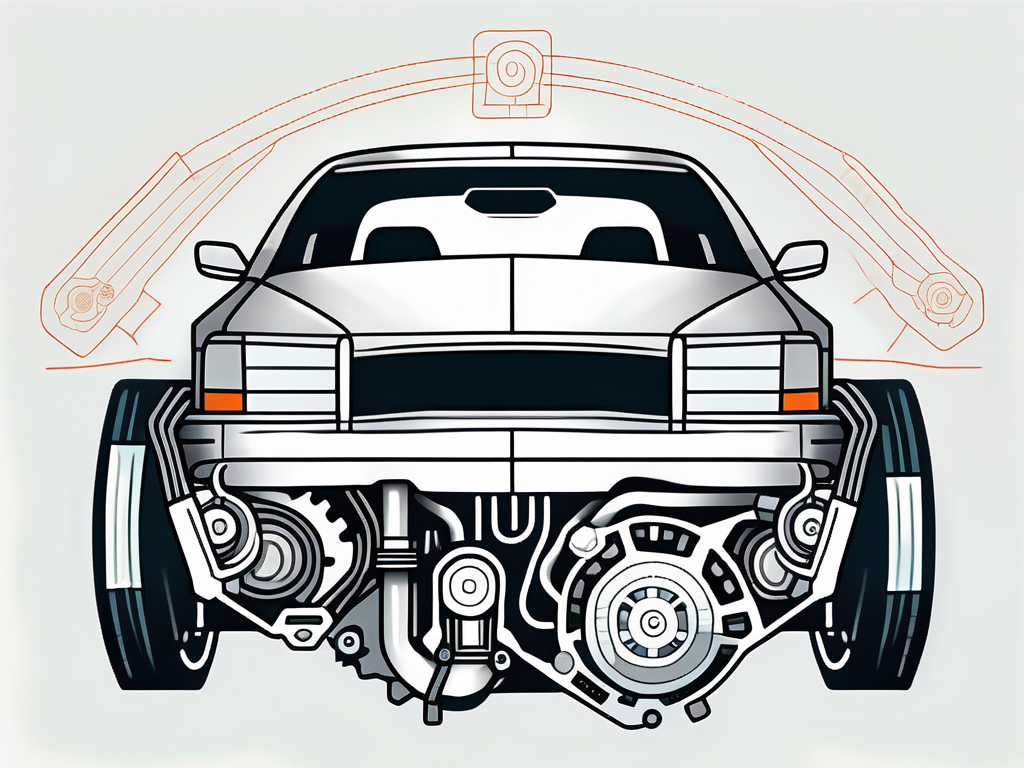
Typically, MBI covers repairs to essential engine components such as the pistons, crankshaft, and camshaft. It also includes transmission repairs, electrical system repairs, and repairs or replacements of vital cooling system parts to keep your vehicle running smoothly. In addition to these components, MBI may also cover the suspension system, steering components, and braking system, ensuring comprehensive protection for your vehicle.
It’s important to note that coverage may vary depending on the insurance provider and specific policy terms. Reviewing the policy documentation carefully will help ensure you understand the coverage limitations and exclusions, giving you a clear picture of what repairs are included in your MBI policy.
What’s Not Covered?
While mechanical breakdown insurance offers important coverage, it is essential to be aware of what is typically not covered. Understanding these exclusions can help you avoid surprises when making a claim.
Most MBI policies do not cover routine maintenance items such as oil changes, brake pad replacements, or tire rotations. These services are considered part of regular vehicle upkeep and are the responsibility of the vehicle owner. Additionally, cosmetic damages, such as dents or scratches, are typically excluded from MBI coverage, as they do not impact the vehicle’s mechanical operation.
Each policy may have its own specific exclusions, so it is crucial to review the terms carefully to understand what repairs or components may not be covered. By being informed about both the inclusions and exclusions of your MBI policy, you can make well-informed decisions about your vehicle’s maintenance and repair needs.
Costs Associated with Mechanical Breakdown Insurance
Premiums and Deductibles
When considering mechanical breakdown insurance, it is important to evaluate the associated costs, including premiums and deductibles.
Premiums for MBI can vary based on a variety of factors such as the vehicle’s age, make, model, and mileage. Additionally, the coverage level and deductible chosen can impact the premium amount. Generally, higher coverage levels and lower deductibles result in higher premiums.
Deductibles are the amount that the policyholder must pay out of pocket before the insurance coverage kicks in. The deductible amount is typically fixed, and policyholders may have the option to choose from different deductible levels.
Cost-Benefit Analysis
When considering the costs associated with mechanical breakdown insurance, it is important to perform a cost-benefit analysis to determine whether the coverage is worthwhile.
Factors to consider in this analysis include the potential repair costs without coverage, the likelihood of experiencing a mechanical breakdown, and the peace of mind that comes with having coverage in place. It is crucial to weigh the potential financial impact of repair costs against the ongoing cost of premiums and deductibles.
How to Purchase Mechanical Breakdown Insurance
Buying from Dealerships vs Insurance Companies
When it comes to purchasing mechanical breakdown insurance, individuals have the option to buy from either vehicle dealerships or insurance companies. Understanding the differences can help make an informed decision.
Purchasing MBI from a dealership is convenient, as it can often be included in the financing agreement. However, buying from a dealership may limit the coverage options available and could result in higher costs. Consulting with an insurance agent or broker can help explore alternative insurance providers and compare coverage and pricing.
Tips for Choosing the Right Policy
When selecting a mechanical breakdown insurance policy, it is important to consider a few key factors.
Firstly, thoroughly evaluate the coverage options and limitations of each policy. Ensure that the policy aligns with your vehicle’s specific needs and potential areas of concern.
Secondly, review the reputation and claims process of the insurance provider. A reliable and efficient claims process can make a significant difference should the need for repairs arise.
Finally, compare multiple quotes from various insurance providers to ensure you are receiving competitive pricing for the desired level of coverage.
In conclusion, mechanical breakdown insurance provides valuable protection against unexpected repair costs and breakdowns of essential mechanical vehicle components. Understanding the definition, key features, importance, and differences from extended warranties is crucial when considering this type of coverage. Additionally, familiarizing oneself with the coverage details and costs associated with mechanical breakdown insurance is necessary for making an informed decision. By following the tips for purchasing the right policy, individuals can select the most suitable coverage for their vehicle and enjoy greater peace of mind on the road.